Electric kettles are among the most convenient appliances in a modern kitchen. With the press of a button, you can have boiling water ready for tea, coffee, oatmeal, cooking, or other everyday uses.
But like any electrical appliance, a kettle can become unsafe when it is damaged, poorly maintained, incorrectly used, or showing signs of electrical failure.
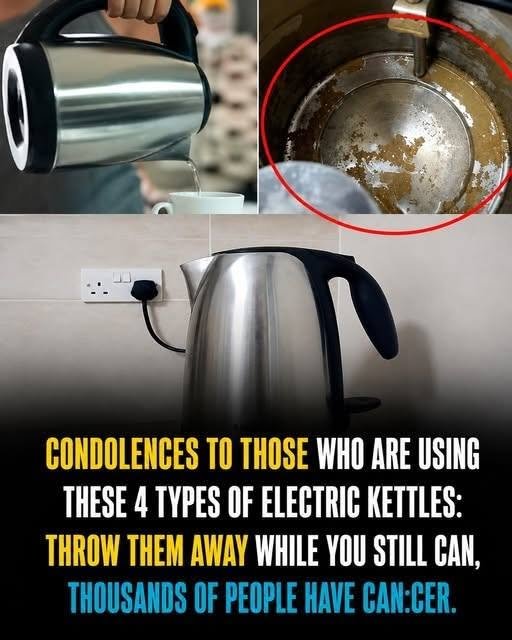
You may have seen alarming headlines telling people to immediately throw away certain “dangerous” types of electric kettles. The reality is more useful: the biggest safety concerns usually involve the condition, electrical components, materials, and design of a particular kettle—not simply whether it belongs to a certain category.
Here are four situations where you should pay particularly close attention.
1. Electric Kettles With Damaged Power Cords or Plugs
One of the clearest warning signs is a damaged power cord or plug.
Look carefully for:
- Frayed or exposed wires
- Burn marks
- Melted plastic
- Cracked insulation
- Loose connections
- A plug that becomes unusually hot
- Sparks when plugging the kettle in
- A damaged power base or connector
Don’t continue using an appliance with exposed wiring simply because it still appears to work.
Electricity and water are an especially important combination to treat cautiously.
If the cord or plug is damaged, unplug the kettle and replace or professionally repair the affected component according to the manufacturer’s instructions.
Never wrap exposed electrical wiring with ordinary household tape and consider the appliance permanently fixed.
2. Kettles With Cracked or Damaged Bodies
The body of a kettle is more than just a container for water. It needs to safely contain boiling liquid while protecting the electrical components underneath.
A cracked plastic, glass, or other kettle body can create problems.
Pay particular attention to:
- Cracks
- Leaks
- Broken handles
- Damaged lids
- Loose components
- Water escaping near the electrical base
- A distorted or melted body
A small cosmetic scratch isn’t necessarily the same as a structural crack.
But if boiling water can leak from the kettle or reach electrical components, continuing to use it isn’t worth the risk.
3. Kettles With Faulty Automatic Shut-Off Systems
Most modern electric kettles are designed to stop heating automatically once the water reaches boiling temperature.
This is an important safety feature.
If your kettle:
- Continues boiling after the water has boiled
- Repeatedly switches on and off abnormally
- Makes unusual electrical noises
- Produces smoke
- Smells strongly of burning plastic or electrical components
- Trips your circuit breaker
- Becomes excessively hot around the controls
stop using it.
Don’t repeatedly switch the appliance on and off hoping the problem will disappear.
A malfunctioning thermostat, switch, sensor, or other internal component can require professional assessment or replacement.
4. Kettles With Serious Internal Damage or Heavy Mineral Buildup
Mineral deposits are common in electric kettles, particularly in areas with hard water.
A layer of white or chalky buildup on the heating element doesn’t automatically mean the kettle is dangerous. However, heavy scale can affect performance and make the kettle take longer to boil.
Regular descaling according to the manufacturer’s instructions can help maintain the appliance.
The situation is different if you notice:
- Corrosion
- Flaking internal material
- Damaged heating elements
- Burnt components
- Persistent leaks
- Strange smells
- Visible electrical damage
At that point, replacement may be more appropriate than simply cleaning the kettle.
What About Plastic Electric Kettles?
Plastic kettles aren’t automatically unsafe.
Many reputable manufacturers use plastics specifically designed for use with hot liquids and food contact.
The more important questions are:
- Is the kettle from a reputable manufacturer?
- Is it intended for boiling water?
- Is the plastic damaged or melting?
- Does the kettle have appropriate electrical safety features?
- Does it have clear manufacturer information and instructions?
- Is the appliance being used according to those instructions?
If a kettle develops a strong persistent chemical or burning smell, particularly when heating, stop using it and investigate the cause.
What About Glass Kettles?
Glass kettles can be convenient because you can see the water level and watch the boiling process.
However, glass can break if it is damaged or subjected to severe thermal shock.
Never continue using a kettle with:
- Cracked glass
- Significant chips
- Structural damage
- A damaged handle or lid
- Leaking seals
Also avoid exposing hot glass to sudden temperature changes unless the manufacturer specifically states that the product is designed for that use.
What About Stainless-Steel Kettles?
Stainless-steel kettles are widely used and can be durable.
However, “stainless steel” doesn’t automatically mean that every kettle is safe forever.
Inspect the kettle for:
- Corrosion
- Leaks
- Loose handles
- Damaged lids
- Faulty switches
- Electrical damage
- Overheating
The electrical components and overall construction still matter.
Signs You Should Stop Using Your Electric Kettle Immediately
You don’t need to wait for an appliance to completely fail before replacing it.
Stop using the kettle if you notice:
Burning Smell
A persistent burning smell while the kettle is operating can indicate an electrical or overheating problem.
Smoke
Smoke from an electrical appliance is a serious warning sign.
Unplug it if you can do so safely and don’t continue operating it.
Sparks
Visible sparks from the plug, cord, switch, or base should not be ignored.
Repeated Circuit Breaker Trips
If your kettle repeatedly causes the circuit breaker or safety switch to trip, stop using it.
The appliance or electrical circuit should be checked.
Water Leaking Into the Base
Water should remain inside the kettle’s water chamber.
If water is reaching electrical connections or the power base, discontinue use.
Melting or Discoloration
Melted plastic, darkened areas, or burn marks can indicate excessive heat or electrical problems.
Unusual Electrical Noise
Buzzing, crackling, or popping sounds that weren’t present before should be investigated.
Never Put the Kettle Under Running Water
One common cleaning mistake is placing an electric kettle directly under the faucet.
Most electric kettles are not designed to be submerged or filled in a way that allows water to enter the electrical base or controls.
Instead:
- Unplug the kettle.
- Allow it to cool.
- Follow the manufacturer’s cleaning instructions.
- Keep the electrical base and connector dry.
- Never immerse the electrical components in water.
Always check the specific instructions for your model.
Don’t Overfill the Kettle
Look for the minimum and maximum water markings inside your kettle.
Don’t fill above the maximum line.
Overfilling can cause boiling water to spill or escape through the spout or lid during operation.
At the same time, don’t operate the kettle below its minimum-fill level if the manufacturer specifies one.
Following the marked water levels is a simple way to reduce unnecessary problems.
Don’t Leave the Kettle Heating Unnecessarily
Automatic shut-off systems are useful, but that doesn’t mean an electric kettle should be treated like an appliance that can be left running indefinitely.
When possible:
- Boil only the amount of water you need.
- Keep the kettle on a stable surface.
- Keep the cord away from hot surfaces.
- Keep children away from the appliance while it is operating.
- Don’t place objects on top of the kettle.
- Don’t operate it without water unless the manufacturer specifically permits it.
Why Buying From a Reputable Manufacturer Matters
Extremely cheap electrical appliances can sometimes be tempting.
Price alone doesn’t determine safety, but you should be able to identify important information about an electrical appliance, such as:
- Manufacturer
- Model number
- Operating instructions
- Electrical specifications
- Warranty information
- Appropriate safety markings or certification where applicable
Be particularly cautious about electrical appliances with no identifiable manufacturer, missing instructions, damaged packaging, or questionable electrical connections.
Check for Product Recalls
If you are concerned about your particular kettle, don’t rely on a viral social-media post saying that an entire “type” of kettle is dangerous.
Instead, look for the exact brand and model number.
Manufacturers and consumer-safety authorities sometimes issue recalls or safety notices for specific products.
The model number is usually found on:
- The bottom of the kettle
- The power base
- A label near the electrical specifications
- The original packaging
- The instruction manual
If a recall applies to your exact model, follow the manufacturer’s instructions.
How to Descale an Electric Kettle
Mineral scale can accumulate over time, especially in hard-water areas.
A common household approach is to use a manufacturer-approved descaling solution or follow the cleaning method specified in the instruction manual.
If the manufacturer permits it, some kettles can be descaled with a diluted vinegar solution.
A basic approach may involve:
- Unplugging and cooling the kettle.
- Adding the recommended descaling solution.
- Allowing it to work according to the product instructions.
- Emptying the kettle.
- Rinsing it thoroughly.
- Running clean water through the kettle as directed.
Always check the manufacturer’s instructions first because cleaning recommendations vary between models.
Should You Throw Your Kettle Away?
Not necessarily.
A kettle doesn’t need to be discarded simply because it is plastic, glass, stainless steel, inexpensive, or several years old.
Consider replacing it when:
- It has serious electrical damage.
- The body is cracked or leaking.
- The plug or cord is damaged.
- It repeatedly overheats.
- The automatic shut-off no longer works.
- There is visible melting or burning.
- It produces smoke or sparks.
- It has been recalled.
- The manufacturer no longer considers it safe to use.
- Repairs would be unreliable or more expensive than replacement.
When an electrical appliance has a potentially dangerous fault, replacing it is generally safer than continuing to use it because it “still works.”
Frequently Asked Questions
Are electric kettles dangerous?
Electric kettles are generally designed for safe household use when they are properly manufactured, maintained, and operated according to the manufacturer’s instructions. Damaged or malfunctioning kettles can present electrical, burn, or fire hazards.
Is a plastic kettle automatically unsafe?
No. The fact that a kettle is made from plastic doesn’t by itself establish that it is unsafe. The construction, materials, certification, condition, and intended use all matter.
How long should an electric kettle last?
There isn’t one universal lifespan. Usage frequency, water quality, construction, maintenance, and component quality all affect longevity. Replace a kettle sooner if it develops safety problems.
Can I use a kettle with a damaged cord?
A damaged cord should not be ignored. Stop using the appliance and have it assessed or replace it according to the manufacturer’s recommendations.
Why does my kettle smell like burning plastic?
A new appliance may sometimes have a temporary manufacturing odor, but a persistent burning smell—especially accompanied by overheating, smoke, melting, or electrical problems—is a reason to stop using the kettle.
Is limescale dangerous?
Limescale is primarily a mineral deposit that can accumulate inside kettles. Heavy buildup can affect performance and should be cleaned according to the manufacturer’s instructions. It doesn’t automatically mean the kettle is unsafe.
Final Thoughts
You don’t need to panic and throw away every electric kettle in your kitchen because of a sensational headline.
Instead, inspect the appliance carefully.
A cracked body, damaged electrical cord, leaking base, burning smell, sparks, smoke, repeated circuit-breaker trips, or malfunctioning automatic shut-off system are much more meaningful warning signs than simply the kettle’s material or appearance.
If your kettle shows any serious electrical or structural fault, stop using it and replace it or have it professionally assessed.
A few minutes of inspection can help prevent burns, electrical problems, and potentially more serious household accidents.
Safety note: Never attempt to repair internal electrical components yourself unless you are appropriately qualified. Always follow the manufacturer’s instructions and relevant electrical-safety guidance for your specific appliance.
SEO Details
SEO Title: 4 Electric Kettle Warning Signs You Should Never Ignore
Meta Description: Learn the warning signs that an electric kettle may be unsafe, including damaged cords, cracks, overheating, leaks, sparks, and faulty shut-off systems.
Focus Keyword: electric kettle safety
Slug: electric-kettle-safety-warning-signs
Category: Home & Kitchen
Tags: electric kettle safety, kettle safety, kitchen safety, electrical appliance safety, electric kettle, kitchen appliances, home safety, kettle maintenance