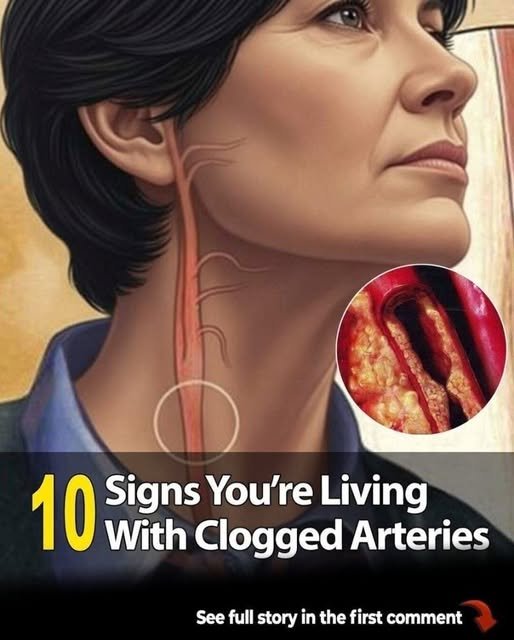
10 Indicators of Blocked Arteries You Shouldn’t Ignore
Blocked or narrowed arteries can develop gradually because of plaque buildup, and some people have no symptoms until the disease becomes advanced. The signs depend on which arteries are affected—for example, the arteries supplying the heart or the legs.
1. Chest Pressure or Pain
Pressure, squeezing, heaviness, tightness, or burning in the chest—particularly during physical activity—can be a sign that the heart isn’t receiving enough oxygen-rich blood. This is commonly called angina.
2. Shortness of Breath
Becoming unusually short of breath during normal activities, or sometimes even while resting, can occur when blood flow to the heart is reduced.
3. Pain Spreading to the Upper Body
Heart-related discomfort may spread from the chest to the arm, shoulder, back, neck, or jaw. It shouldn’t automatically be dismissed as muscle pain or indigestion.
4. Unusual Tiredness
Persistent or unexplained fatigue can sometimes accompany reduced blood flow to the heart. Women may be more likely to experience unusual tiredness during a heart attack.
5. Leg Pain When Walking
Pain, aching, cramping, heaviness, or weakness in the calves, thighs, hips, or buttocks that appears while walking and improves with rest can be a sign of peripheral artery disease (PAD).
6. Cold Feet or One Foot Colder Than the Other
Reduced circulation can cause one foot or leg to feel noticeably colder than the other. This can occur with peripheral artery disease.
7. Slow-Healing Wounds
Sores or wounds on the feet, toes, ankles, or legs that heal very slowly—or don’t heal—can indicate inadequate blood flow.
8. Changes in Skin or Toe Color
Pale, bluish, unusually dark, or discolored toes and feet can be a warning sign of reduced circulation.
9. Numbness, Tingling, or Weakness in the Legs
Reduced circulation to the lower limbs can cause numbness, tingling, weakness, heaviness, or cramping, particularly during activity.
10. Dizziness, Sweating, or Nausea With Chest Discomfort
Dizziness, cold sweating, nausea, vomiting, or a rapid/irregular heartbeat can accompany a heart attack, particularly when occurring with chest discomfort or shortness of breath.
When to Get Emergency Help
Don’t wait if you have possible heart-attack symptoms. Chest pressure or pain that lasts more than a few minutes, keeps returning, or occurs together with shortness of breath, sweating, nausea, dizziness, or pain in the arm, jaw, back, or shoulder requires emergency medical attention.
Also, remember that blocked arteries don’t always cause obvious warning signs. Atherosclerosis can remain silent for years, which is why controlling blood pressure, cholesterol, blood sugar, smoking, weight, and other cardiovascular risk factors is important.
Meta Description
Learn 10 warning signs of blocked or narrowed arteries, including chest pain, shortness of breath, leg pain, cold feet, slow-healing wounds, and unusual fatigue.