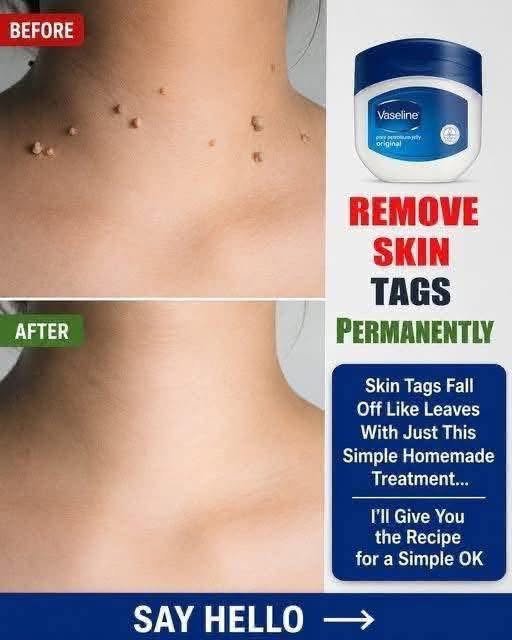
Warts can be stubborn, annoying, and surprisingly difficult to get rid of. Because they are often harmless, many people look for simple home treatments before considering an over-the-counter product or visiting a healthcare professional.
One popular suggestion is Vaseline (petroleum jelly). It is sometimes described online as a treatment that can make warts disappear or fall off naturally. But while Vaseline can be useful for protecting and moisturizing irritated skin, there is no strong clinical evidence that Vaseline alone removes warts.
That distinction is important. A home remedy may sound convincing, but a wart is caused by certain types of human papillomavirus (HPV), and simply covering it with petroleum jelly does not reliably eliminate the virus or destroy the wart tissue.
Still, Vaseline can have a useful supporting role when the surrounding skin becomes dry or irritated.
What Is a Wart?
A wart is a small, rough growth on the skin caused by infection with certain types of HPV.
Warts can appear on different parts of the body, including:
- Hands and fingers
- Around the fingernails
- Feet
- Knees
- Elbows
- Other areas of the skin
They can be smooth or rough, small or relatively large, and sometimes occur in clusters.
Many warts eventually disappear on their own as the immune system responds to the virus, although this can take months or even longer.
Can Vaseline Remove a Wart?
Vaseline does not have a proven wart-removing effect.
Petroleum jelly is an occlusive moisturizer. It forms a protective layer over the skin and helps reduce moisture loss.
That makes it useful for:
- Dry skin
- Chafing
- Minor irritation
- Protecting surrounding skin from dryness
However, moisturizing or coating a wart is different from treating the viral infection responsible for it.
So, applying Vaseline may make the surrounding skin feel more comfortable, but you should not expect the wart to simply fall off after a few applications.
Why Does the Vaseline Remedy Seem Convincing?
Some home treatments involve covering a wart with an occlusive material. This has led to the idea that Vaseline itself can suffocate or destroy the wart.
However, there is an important difference between occlusion and proven wart treatment.
If a wart eventually becomes smaller or disappears while someone is using Vaseline, that doesn’t necessarily mean the petroleum jelly caused it. Warts can naturally regress over time, and several treatments may be used simultaneously.
How Can Vaseline Be Used Safely?
If the skin around a wart becomes dry or irritated, a small amount of plain petroleum jelly can be applied to the surrounding skin as a moisturizer and protective barrier.
A simple approach is:
- Wash the area gently with soap and water.
- Pat the skin dry.
- Apply a thin layer of plain petroleum jelly to dry or irritated surrounding skin.
- Avoid aggressively rubbing or picking at the wart.
- Wash your hands afterward.
Vaseline should be viewed as a skin-protection product rather than a wart cure.
What Treatments Actually Help Warts?
If you want to actively treat a common wart, there are evidence-based options.
Salicylic Acid
Over-the-counter wart treatments containing salicylic acid are commonly used for ordinary warts.
Salicylic acid gradually breaks down the thickened skin of the wart. Treatment generally takes repeated applications rather than just one treatment.
Always follow the product instructions carefully.
Professional Treatment
A healthcare professional may recommend treatments such as:
- Cryotherapy
- Prescription-strength treatments
- Other procedures depending on the location and type of wart
Treatment choice depends on factors such as the wart’s size, location, number, and whether previous treatments have worked.
Don’t Pick or Cut Warts Yourself
It can be tempting to cut, scrape, or pull a wart away.
Avoid doing this.
Picking or cutting can:
- Irritate the skin
- Cause bleeding
- Increase the risk of infection
- Potentially spread the virus to nearby skin
If you accidentally damage a wart, keep the area clean and avoid sharing towels, nail tools, or other personal items that have contacted it.
How to Reduce the Spread of Warts
Because warts are associated with HPV, they can spread from one area of skin to another or between people.
Helpful habits include:
- Wash your hands after touching a wart.
- Avoid picking or scratching it.
- Don’t share towels or personal grooming tools.
- Keep the area clean.
- Avoid biting nails or picking skin around fingernails.
- Keep feet dry if you have foot warts.
- Don’t shave directly over a wart.
These habits can reduce opportunities for the virus to spread.
When Should You See a Doctor?
Not every skin growth is a wart.
It’s a good idea to have a healthcare professional evaluate a growth if:
- You’re not sure it is actually a wart.
- It changes in appearance.
- It bleeds without being injured.
- It becomes painful.
- It grows rapidly.
- It repeatedly returns.
- It is located on the face or genitals.
- You have numerous warts.
- Home treatment hasn’t helped.
Extra caution is appropriate for people with conditions or medications that affect the immune system, because their skin infections may behave differently.
What About Warts That Fall Off Naturally?
Some warts eventually disappear without treatment.
This happens because the body’s immune system can recognize and respond to the viral infection. However, there is no reliable timetable.
One person’s wart may disappear relatively quickly while another person’s can remain for a much longer period.
Therefore, claims such as “apply Vaseline and your wart will fall off in three days” should be treated skeptically.
A Simple Skin-Care Routine
If you are dealing with a wart and want to keep the surrounding skin comfortable, focus on gentle care.
Morning:
- Wash gently.
- Dry the area thoroughly.
- Apply a thin layer of petroleum jelly to dry surrounding skin if needed.
Evening:
- Clean the area.
- Follow the instructions for an appropriate wart treatment if you are using one.
- Avoid picking, cutting, or scratching the wart.
Remember that Vaseline and a wart-removing treatment serve different purposes.
Final Thoughts
The idea that “warts fall off like leaves with Vaseline” makes for an appealing home-remedy headline, but petroleum jelly alone has not been established as a reliable treatment for removing warts.
Vaseline can be useful for moisturizing and protecting irritated skin around a wart, but treatments such as salicylic acid have much stronger support for treating common warts.
If a growth is painful, changing, bleeding, spreading, or doesn’t look like a typical wart, it’s better to have it checked rather than relying on a home remedy.
SEO Title: Vaseline for Warts: Can This Home Treatment Remove Them?
Meta Description: Can Vaseline remove warts? Learn what petroleum jelly can and cannot do, evidence-based wart treatments, safe skin care, and when to see a healthcare professional.