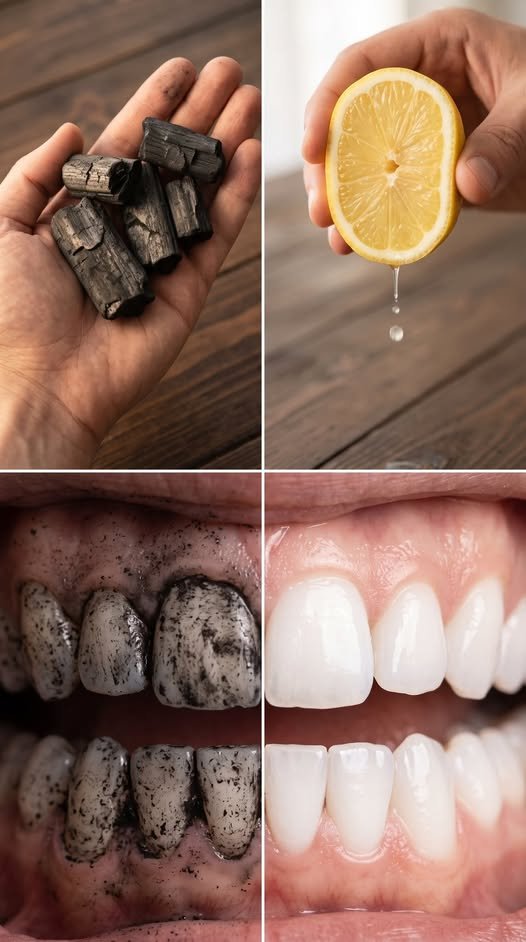
Why Charcoal + Lemon Went Viral for Teeth Whitening — Does It Actually Work?
The combination of activated charcoal and lemon became popular online because it looks like a simple, inexpensive “natural” way to make teeth appear whiter. But the science tells a very different story.
Does Charcoal + Lemon Actually Whiten Teeth?
Not safely or reliably.
Activated charcoal may remove some surface stains through abrasion, but there isn’t good evidence that charcoal provides meaningful tooth bleaching. The American Dental Association says there is insufficient evidence that charcoal-based whitening products are both safe and effective. (ADA)
Lemon is even more concerning. Lemon juice is highly acidic, and repeatedly putting acid directly on your teeth can erode the enamel. Enamel does not grow back once it has been lost. (ADA News)
Why Might Teeth Look Whiter Temporarily?
Charcoal can remove some material from the surface of teeth, which may make them appear cleaner. But aggressively scrubbing with an abrasive substance can also wear away enamel and eventually expose the naturally yellowish dentin underneath. (ADA)
A clinical trial published in 2024 found that activated-charcoal products produced only a minor, unsatisfactory whitening effect compared with an established peroxide-based whitening treatment. (ScienceDirect)
🚫 Don’t Brush Your Teeth With Lemon and Charcoal
A viral recipe might suggest:
- Activated charcoal
- Fresh lemon juice
- Mixing them into a paste
- Brushing the teeth with the mixture
I wouldn’t recommend doing this.
The combination of acid + abrasive scrubbing can be particularly harsh on enamel. A study examining natural whitening products also found that charcoal and lemon-based products did not reliably restore teeth to their original color and increased surface roughness. (PubMed)
Safer Ways to Whiten Teeth
For everyday care:
- Brush twice a day for about 2 minutes with fluoride toothpaste.
- Clean between your teeth daily.
- Limit frequent exposure to staining drinks such as coffee and tea.
- Don’t smoke or use tobacco.
- Have regular dental checkups and cleanings.
For actual whitening, look for evidence-based peroxide whitening products or discuss professional whitening with your dentist. The ADA notes that peroxide-based whitening treatments have much stronger evidence than DIY charcoal or acidic home remedies. (ADA)
Bottom Line
Charcoal + lemon may be viral, but viral doesn’t mean safe or effective. The small cosmetic benefit isn’t worth potentially damaging your tooth enamel. For a noticeably whiter smile, choose a properly formulated whitening product or ask a dentist which option is appropriate for your teeth.