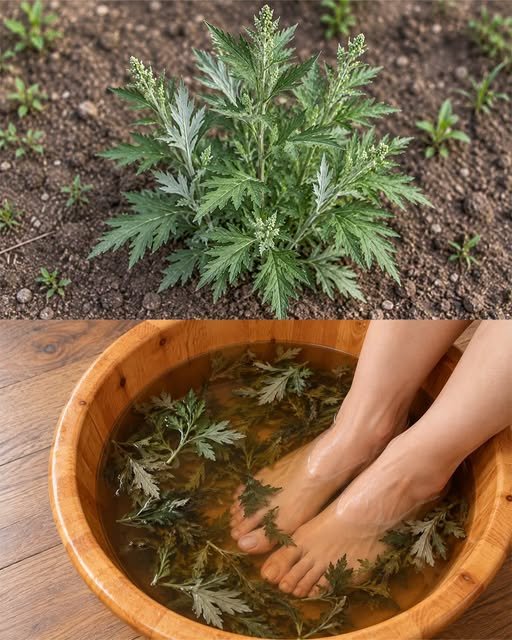
A warm foot soak has been used for generations as a simple way to relax tired feet and unwind at the end of the day. In traditional herbal practices, mugwort has also been used in various preparations, including bathing and topical applications.
Today, mugwort foot soaks are sometimes promoted as a natural way to “detox” the body, improve circulation, reduce inflammation, relieve joint pain, or draw toxins through the feet. Those claims sound impressive, but the scientific evidence is much more limited.
Mugwort, scientifically known as Artemisia vulgaris, has a long history of traditional use in Europe and Asia. However, the National Center for Complementary and Integrative Health (NCCIH) states that very little research has been conducted in humans and that there is not enough evidence to determine whether mugwort is safe or useful for any health condition.
That doesn’t mean a warm mugwort foot soak has no place in a self-care routine. It simply means its most reasonable role is relaxation and temporary comfort, rather than treating a medical condition.
What Is Mugwort?
Mugwort is a perennial herb belonging to the Artemisia genus.
It has been used traditionally for a variety of purposes, including digestive and gynecological complaints. Different cultures have used parts of the plant in teas, topical preparations, baths, and other traditional remedies.
Mugwort contains numerous plant compounds, but the presence of potentially active compounds does not automatically mean that every traditional application has been scientifically proven.
In fact, NCCIH currently says there is insufficient evidence to determine whether mugwort is effective for health conditions or whether topical use is completely safe.
Why Do People Use Mugwort in Foot Soaks?
Mugwort foot baths are largely associated with traditional wellness practices.
People may use them because they enjoy the warmth, herbal aroma, and relaxing experience.
A warm foot soak itself may temporarily make tired feet feel more comfortable and can become a calming part of an evening routine.
However, it is important to separate the effects of the warm water from the effects of the mugwort.
There is currently not enough evidence to say that mugwort itself provides specific benefits when added to a foot bath.
1. It May Help Create a Relaxing Evening Ritual
One of the most reasonable uses of a mugwort foot soak is relaxation.
Sitting quietly with your feet in comfortably warm water can provide a few minutes away from screens, work, and daily responsibilities.
The herbal aroma may also make the experience feel more soothing.
Rather than thinking of the soak as a treatment, consider it a simple self-care ritual.
2. It Can Temporarily Comfort Tired Feet
After a long day of standing, walking, or working, a warm foot bath can feel pleasant.
The warmth may temporarily relax the muscles and make tired feet feel more comfortable.
This doesn’t mean mugwort is treating the underlying reason for foot pain.
Persistent foot pain, swelling, numbness, or burning should not automatically be attributed to ordinary tiredness.
3. It Provides Gentle Warmth
Warm water can be comforting when your feet feel cold or tired.
However, the water should be comfortably warm rather than extremely hot.
Very hot water can irritate the skin and may cause burns, especially in people who have reduced sensation in their feet.
4. It Can Be Part of a Personal Relaxation Routine
A foot soak can be incorporated into a broader bedtime routine.
You might combine it with:
- Quiet breathing
- Gentle stretching
- Reading
- Relaxing music
- Reducing screen exposure
- Preparing for sleep
The benefit may come largely from creating a consistent period of relaxation rather than from a medicinal effect of the herb.
5. It May Make Dry Feet Feel Softer
Warm water temporarily hydrates the outer layer of the skin, making dry skin feel softer.
After the soak, gently pat your feet dry and apply a fragrance-free moisturizer while the skin is still slightly damp.
This can be particularly helpful for ordinary dry skin.
However, a mugwort soak has not been proven to be a treatment for eczema, fungal infections, psoriasis, or other skin diseases.
Does Mugwort Foot Soaking Detox the Body?
This is one of the biggest claims surrounding herbal foot baths—and it is important to be cautious.
There is no good evidence that soaking your feet in mugwort pulls toxins out of the body.
Your liver, kidneys, lungs, digestive system, and other physiological processes handle the body’s normal elimination of waste.
A foot soak should therefore be viewed as a comfort practice rather than a detox treatment.
Can It Improve Circulation?
Warm water can make the feet feel warmer and may temporarily change blood flow in the skin.
But that is different from treating poor circulation caused by a medical condition.
There is insufficient evidence that a mugwort foot soak can clear blocked arteries, treat peripheral artery disease, or correct circulation problems.
If your feet are frequently cold, painful, numb, unusually pale or blue, or if you develop wounds that heal slowly, speak with a healthcare professional rather than relying on herbal foot baths.
Can Mugwort Relieve Arthritis?
Mugwort is sometimes promoted online for arthritis and joint pain.
At present, there isn’t enough evidence to establish that a mugwort foot soak treats arthritis.
A warm soak may temporarily make stiff feet feel more comfortable, but that doesn’t mean it reduces the underlying joint inflammation or prevents joint damage.
Persistent joint pain deserves an appropriate diagnosis.
A Simple Mugwort Foot Soak
If you want to try a mugwort foot soak as a relaxation practice, keep the preparation simple.
Ingredients
- 1–2 tablespoons dried mugwort from a reputable source
- 1–2 liters comfortably warm water
- A large basin suitable for soaking both feet
Directions
- Place the dried mugwort in a heatproof container.
- Pour hot water over the herb.
- Allow it to steep for approximately 10–15 minutes.
- Strain the liquid carefully.
- Allow the herbal water to cool to a comfortably warm temperature.
- Pour it into a clean foot basin.
- Soak your feet for approximately 10–15 minutes.
- Remove your feet and gently pat them dry.
- Apply a plain moisturizer if your skin is dry.
The water should never be hot enough to cause discomfort or burning.
Important Safety Precautions
Mugwort deserves more caution than its “natural remedy” reputation might suggest.
NCCIH notes that there isn’t enough evidence to establish the safety of topical mugwort use.
Avoid Mugwort if You Are Pregnant
NCCIH specifically advises against using mugwort during pregnancy. Little is known about its safety during breastfeeding.
Watch for Skin Reactions
Stop using the soak if you develop:
- Burning
- Itching
- Redness
- Rash
- Swelling
- Blisters
Herbal products can cause irritation or allergic reactions, and “natural” does not automatically mean “safe.”
Don’t Use on Broken Skin
Avoid herbal foot soaks over:
- Open wounds
- Cuts
- Significant cracks
- Active skin infections
- Fresh blisters
Be Careful With Reduced Foot Sensation
People with reduced sensation in their feet should be especially careful with hot water because they may not recognize excessive heat quickly enough.
This is particularly important for people with diabetes or certain nerve conditions.
Don’t Confuse a Foot Soak With Medical Treatment
A relaxing foot bath may be enjoyable, but it shouldn’t delay medical care.
Foot symptoms can sometimes signal conditions requiring treatment.
Seek medical advice if you experience:
- Persistent or severe foot pain
- Sudden swelling
- Significant redness or warmth
- Numbness or weakness
- A wound that doesn’t heal
- Black or blue discoloration
- Severe burning sensations
- Sudden changes in one foot compared with the other
These symptoms deserve more than a home soak.
What Makes a Good Foot-Care Routine?
You don’t need an elaborate herbal routine to care for your feet.
A simple routine can include:
Wash and Dry Carefully
Clean your feet regularly and dry carefully between the toes.
Moisturize Dry Skin
Use a suitable moisturizer on dry areas, avoiding excessive moisture between the toes.
Wear Comfortable Shoes
Properly fitting shoes can reduce pressure and friction.
Check Your Feet
Regularly look for cuts, blisters, redness, swelling, or changes in the skin.
Keep Nails Trimmed
Trim toenails carefully and avoid cutting deeply into the corners.
Address Persistent Symptoms
Don’t keep treating recurring pain or skin problems at home without finding out what’s causing them.
The Bottom Line
Mugwort foot soaks can be an enjoyable traditional relaxation practice, especially when combined with comfortably warm water and a quiet evening routine.
But many of the dramatic claims found online—such as detoxing the body through the feet, removing toxins, curing arthritis, or fixing poor circulation—are not supported by adequate scientific evidence.
NCCIH reports that very little human research has been conducted on mugwort and that there isn’t enough evidence to determine whether it is useful or safe for health conditions, including with topical use.
So if you enjoy a mugwort foot soak, think of it as self-care rather than medicine. Keep the water comfortably warm, avoid using it on damaged skin, stop if irritation occurs, and don’t use it as a substitute for medical care.
SEO Details
SEO Title: Mugwort Foot Soak: Traditional Uses, Potential Benefits & Safety
Meta Description: Discover what mugwort foot soaks may offer, what traditional claims lack scientific evidence, how to prepare a simple soak, and important safety precautions.