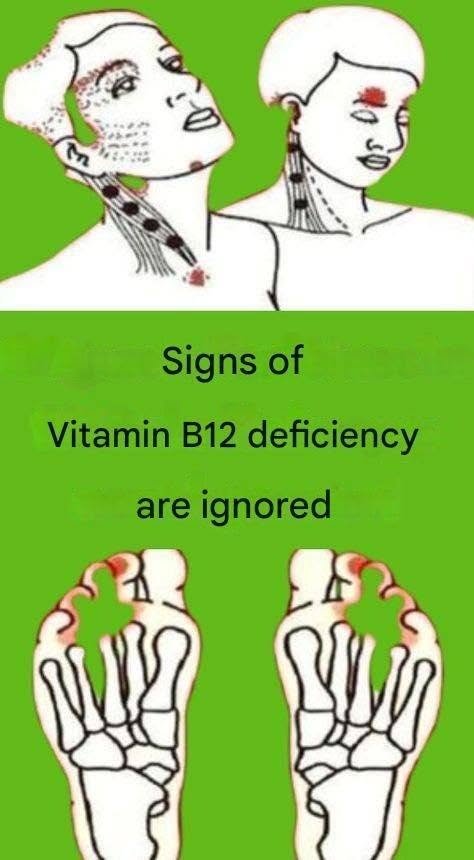
Vitamin B12 plays an important role in making healthy red blood cells, maintaining the nervous system, and helping the body produce DNA. Yet a deficiency can develop gradually, and some of its early symptoms may be mistaken for stress, aging, poor sleep, or simply being tired.
Recognizing the possible warning signs is important because untreated vitamin B12 deficiency can cause anemia and neurological problems, and some nerve-related complications can become difficult to reverse if the deficiency is prolonged.
Here are some commonly overlooked signs.
1. Constant or Unusual Fatigue
Feeling tired after a busy day is normal, but persistent fatigue or weakness can sometimes occur when B12 deficiency affects red blood cell production.
However, fatigue has many possible causes, including iron deficiency, thyroid problems, inadequate sleep, infections, and other medical conditions.
2. Tingling or Numbness
A particularly important symptom is a pins-and-needles sensation or numbness, especially in the hands or feet.
Vitamin B12 is essential for normal nerve function. A deficiency can affect the nervous system and may cause unusual sensations, weakness, or problems with coordination.
3. Pale or Yellowish Skin
B12 deficiency can contribute to anemia, which may make the skin appear unusually pale.
In some cases, the breakdown of abnormal red blood cells can also cause a subtle yellowish appearance. Changes in skin color have many possible causes, so they should not be used to diagnose B12 deficiency by themselves.
4. A Swollen or Sore Tongue
Some people with B12 deficiency develop glossitis, in which the tongue becomes sore, swollen, unusually smooth, or red.
You may also notice mouth soreness or small ulcers.
5. Muscle Weakness or Balance Problems
B12 deficiency can affect nerves that help control movement and coordination. In more significant cases, people may experience muscle weakness, difficulty walking, or problems with balance.
These symptoms deserve medical evaluation rather than being attributed to simply getting older or being inactive.
6. Memory or Concentration Problems
Some people with B12 deficiency experience difficulty concentrating, forgetfulness, or changes in mental clarity.
These symptoms are nonspecific and can also result from stress, sleep problems, medications, depression, or numerous other conditions. Persistent cognitive changes should be discussed with a healthcare professional.
7. Mood Changes
B12 deficiency may be associated with mood changes, including irritability, depression, or other psychological symptoms.
Because these symptoms have many possible explanations, testing is important before assuming that B12 is the cause.
8. Changes in Vision
In severe or prolonged cases, B12 deficiency can affect the optic nerve and contribute to vision problems.
New or unexplained changes in vision should always be assessed by a healthcare professional rather than treated with supplements alone.
Who Is More Likely to Develop B12 Deficiency?
The risk can be higher in people who:
- Eat little or no animal-derived food without using an appropriate B12 source
- Have conditions that interfere with B12 absorption
- Have had certain stomach or intestinal surgeries
- Are older adults
- Take certain medications that can interfere with B12 absorption, including long-term metformin or acid-suppressing medicines
- Have certain gastrointestinal disorders
How Is Vitamin B12 Deficiency Diagnosed?
Symptoms alone cannot confirm a B12 deficiency. A healthcare professional may recommend a blood test for vitamin B12, along with a complete blood count and, when appropriate, additional tests such as methylmalonic acid.
Treatment depends on the underlying cause. Some people need oral B12 supplements, while others may require injections or treatment of an underlying absorption problem.
Don’t Ignore Persistent Symptoms
Vitamin B12 deficiency is usually treatable, but it is important to identify it rather than simply guessing from symptoms.
If you have persistent fatigue, numbness, tingling, weakness, balance difficulties, mouth or tongue changes, or unexplained cognitive symptoms, talk with a healthcare professional about whether testing is appropriate.
Don’t start high-dose supplements simply because you have one or two of these symptoms. Many different conditions can produce similar complaints, and the correct diagnosis is the first step toward effective treatment.