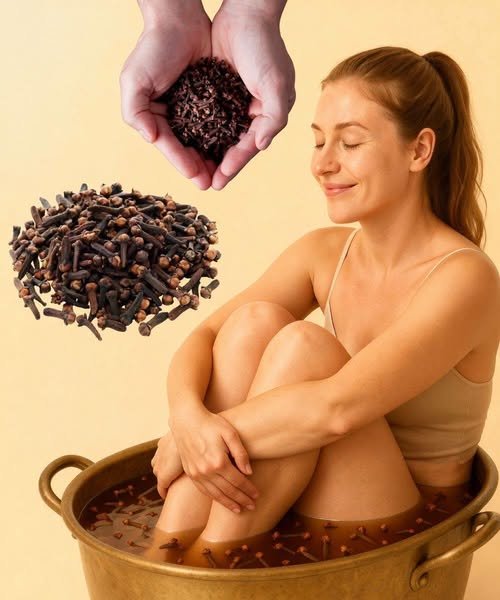
A tiny clove may look like an ordinary spice sitting quietly in your kitchen cabinet, but this small, aromatic ingredient has a fascinating history.
For generations, cloves have been valued in traditional cooking and household practices. Their warm aroma, distinctive flavor, and naturally occurring plant compounds have made them a popular ingredient in cuisines and traditional practices around the world.
Today, cloves are once again attracting attention as people rediscover simple ingredients that have been part of traditional kitchens for centuries.
But what makes this little spice so interesting? And how can you use cloves safely as part of your everyday routine?
What Exactly Is a Clove?
Cloves are the dried flower buds of the clove tree, an evergreen tree native to the Maluku Islands of Indonesia.
The buds are harvested before the flowers open and then dried until they develop their familiar dark brown color and strong fragrance.
You probably recognize cloves from their warm, slightly sweet and spicy flavor. They’re commonly used in baked goods, spice blends, curries, sauces, beverages, and many traditional recipes.
The characteristic aroma of cloves comes largely from eugenol, a naturally occurring compound found in clove oil.
Why Have Cloves Been Used for Generations?
Cloves have a long history of culinary and traditional use.
Before modern food storage and flavoring products became commonplace, spices were valuable additions to the kitchen because they could dramatically change the flavor and aroma of simple foods.
Cloves were particularly prized for their intense fragrance. Even a small amount can add noticeable warmth and depth to a recipe.
Traditional uses have included adding whole cloves to warm beverages, incorporating ground cloves into baked foods, and combining them with other spices in savory dishes.
Cloves in Traditional Household Practices
Cloves have also appeared in various traditional practices beyond cooking.
Some cultures have traditionally used cloves in homemade preparations and aromatic mixtures. However, traditional use should not be confused with scientifically proven medical treatment.
You may see claims online suggesting that cloves can solve numerous health problems or dramatically change the body. Such claims are often much stronger than the available scientific evidence supports.
Cloves can certainly be part of a varied diet, but they should not be considered a replacement for medical treatment.
How to Use Cloves in Everyday Life
One of the easiest ways to enjoy cloves is simply to use them as a culinary spice.
1. Add Them to Tea
A whole clove can be added to tea or another warm beverage to provide a pleasant, spicy aroma.
Try combining one or two cloves with ingredients such as cinnamon, ginger, or lemon for a warming drink.
2. Use Them in Cooking
Whole cloves can be added to rice dishes, stews, sauces, and marinades.
Because their flavor is strong, you generally don’t need many.
Remember to remove whole cloves before serving dishes where you don’t want someone to bite into one.
3. Add Ground Cloves to Baking
Ground cloves work particularly well in recipes containing cinnamon, nutmeg, ginger, or allspice.
A small amount can add warmth to:
- Cookies
- Cakes
- Pumpkin desserts
- Spiced breads
- Muffins
- Pies
4. Make a Simple Spice Infusion
You can steep a small number of whole cloves in hot water to create a fragrant infusion.
Allow it to cool to a comfortable temperature before drinking, and avoid making the mixture excessively concentrated.
What About Chewing Whole Cloves?
Some traditional practices involve chewing whole cloves.
However, cloves have an intense flavor and can irritate the mouth or digestive system in some people, particularly when consumed in large amounts.
For everyday use, incorporating reasonable culinary amounts into food is a simpler and generally more appropriate approach.
Clove Oil Is Different
This is an important distinction.
Whole cloves and clove essential oil are not the same thing.
Clove oil is highly concentrated. Applying undiluted essential oil directly to the skin, gums, or inside the mouth can cause irritation or tissue damage.
Never assume that because a spice is safe to eat in normal culinary quantities, its concentrated essential oil is automatically safe to use in the same way.
If using any essential oil, follow the product’s safety instructions and use a properly formulated product intended for the specific purpose.
Who Should Be Careful With Cloves?
For most people, culinary amounts of cloves are simply part of normal food use. However, concentrated clove products require more caution.
People who take medications that affect blood clotting, those preparing for surgery, pregnant or breastfeeding individuals, and people with certain medical conditions should speak with a healthcare professional before using concentrated clove supplements or clove oil.
Children should also not be given concentrated essential oils unless specifically advised by an appropriate healthcare professional.
A Small Spice With a Big Culinary Personality
Perhaps the most interesting thing about cloves isn’t a mysterious secret at all.
It’s how much flavor such a tiny spice can provide.
A few whole cloves can transform a pot of tea. A pinch of ground cloves can make a simple cake smell warm and inviting. Combined with cinnamon, ginger, or nutmeg, cloves can create the familiar flavors associated with comforting seasonal recipes.
That’s why this little spice has remained popular for generations.
Final Thoughts
Cloves may be tiny, but their history is anything but small.
From traditional kitchens to modern recipes, this aromatic spice continues to be valued for its distinctive flavor and fragrance. While the internet is filled with dramatic claims about what cloves can supposedly do, it’s best to separate traditional practices from medically established facts.
For everyday use, enjoy cloves primarily as a flavorful culinary spice, use concentrated products cautiously, and remember that natural doesn’t automatically mean risk-free.
Sometimes the most interesting ingredients aren’t mysterious at all—they’ve simply been part of our kitchens for generations.