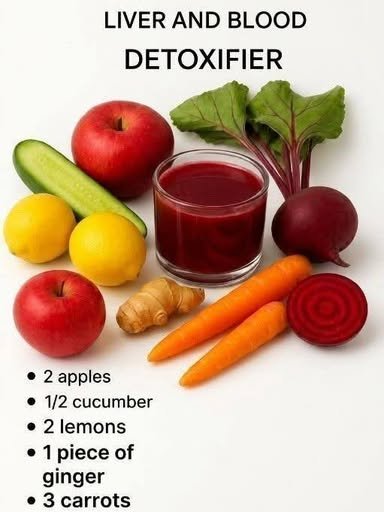
The phrase “liver and blood detox” is everywhere online, especially when people are looking for a quick way to feel healthier, improve digestion, or “cleanse” their body. But the truth is more interesting than many detox claims suggest.
Your body already has an incredibly effective detoxification system. The liver processes many substances in the blood, while the kidneys filter waste and excess substances from the bloodstream and remove them through urine.
There is no special drink, juice, tea, or short detox program that can magically flush toxins from the blood. However, everyday habits can support the normal function of these organs and contribute to better overall health.
What Does the Liver Actually Do?
The liver is one of the body’s most important organs. It performs hundreds of functions, including processing nutrients, producing important proteins, storing energy, and helping the body process medications and other substances.
Blood from the digestive system passes through the liver, where nutrients and various compounds are processed.
This is why protecting liver health is much more meaningful than periodically following a restrictive “detox.”
What About Blood Detox?
Your blood doesn’t need a special cleansing drink.
The body continuously regulates and filters the blood through organs including the liver and kidneys. The lungs, digestive system, and immune system also play important roles in maintaining the body’s internal environment.
Rather than trying to “detox the blood” with a particular recipe, focus on habits that support these systems every day.
7 Healthy Habits That Support Natural Detoxification
1. Drink Enough Water
Water is essential for normal kidney function and helps the body maintain its fluid balance.
Instead of forcing yourself to drink excessive amounts of water, drink regularly throughout the day and pay attention to thirst, activity level, and weather conditions.
Water is generally the best choice for everyday hydration.
2. Eat More Whole Foods
A diet centered around whole or minimally processed foods provides the nutrients your body needs to function normally.
Try to include:
- Leafy green vegetables
- Carrots
- Broccoli
- Cabbage
- Berries
- Apples
- Citrus fruits
- Beans and lentils
- Whole grains
- Nuts and seeds
- Fish, eggs, poultry, or other protein sources
These foods provide fiber, vitamins, minerals, and various plant compounds.
3. Eat More Fiber
Fiber supports digestive health and helps maintain regular bowel movements.
Good sources include:
- Oats
- Beans
- Lentils
- Apples
- Pears
- Berries
- Vegetables
- Whole-grain bread
- Brown rice
- Chia and flaxseeds
Increase fiber gradually and drink adequate fluids to help your digestive system adjust.
4. Limit Excessive Alcohol
Heavy alcohol consumption can place significant stress on the liver and is associated with several forms of liver disease.
If you drink alcohol, reducing consumption—or avoiding it—is an important part of protecting liver health.
5. Maintain a Healthy Weight
Excess body weight can increase the risk of metabolic conditions that may affect the liver, including metabolic dysfunction-associated steatotic liver disease (MASLD), formerly known as nonalcoholic fatty liver disease.
Healthy eating and regular physical activity can help support a healthy weight and metabolic health.
6. Be Careful With Supplements
“Natural” doesn’t automatically mean harmless.
Some herbal products and dietary supplements can interact with medications or, in certain cases, cause liver injury.
Avoid taking multiple detox supplements simply because they are marketed as liver cleansers.
If you regularly take medications or supplements, discuss them with a healthcare professional.
7. Stay Physically Active
Regular physical activity supports cardiovascular and metabolic health.
You don’t necessarily need an intense workout program. Walking, cycling, swimming, strength training, and other activities can all contribute to a healthier lifestyle.
The most useful exercise routine is usually one you can maintain consistently.
A Simple Liver-Friendly Daily Routine
Instead of a restrictive detox program, try a balanced routine.
Morning
Start your day with water and a nutritious breakfast containing protein and fiber.
Examples include:
- Eggs with whole-grain toast and vegetables
- Oatmeal with berries and nuts
- Plain yogurt with fruit and seeds
Afternoon
Build lunch around vegetables, a protein source, and a whole-grain or other high-fiber carbohydrate.
For example:
Grilled chicken + large salad + brown rice
Evening
Choose a balanced dinner and avoid routinely overeating highly processed foods.
A simple meal might include:
Baked fish + roasted vegetables + potatoes
Throughout the Day
Drink water according to your body’s needs and include fruits and vegetables as snacks or alongside meals.
What About Lemon Water?
Lemon water is refreshing and can help make plain water more enjoyable.
However, lemon water should not be described as a substance that “flushes toxins from the liver” or cleanses the blood.
Its main advantage may simply be that it makes hydration more appealing while providing a small amount of vitamin C.
What About Beetroot, Ginger and Turmeric?
These ingredients are popular in homemade wellness drinks because they contain various nutrients and plant compounds.
You can certainly include them in a balanced diet, but their presence in a drink doesn’t turn it into a medical detox treatment.
A beetroot, ginger, lemon, and turmeric drink can be a flavorful addition to your diet—but it should complement healthy eating rather than replace it.
Signs You Shouldn’t Ignore
Sometimes people try a detox because they’re experiencing symptoms such as:
- Persistent fatigue
- Yellowing of the skin or eyes
- Dark urine
- Unexplained weight loss
- Persistent nausea
- Abdominal swelling
- Ongoing abdominal pain
- Unusual itching
- Loss of appetite
These symptoms can have many possible causes. They should not simply be attributed to “toxins.”
If symptoms are persistent, severe, or unusual, seek medical advice rather than attempting a detox cleanse.
Do You Need a Detox Program?
For most healthy people, there is no need for a special liver or blood detox program.
Your body is continuously carrying out the processes that detoxification products often claim to initiate.
A better long-term strategy is to:
- Eat a varied diet
- Stay hydrated
- Exercise regularly
- Maintain a healthy weight
- Avoid smoking
- Limit excessive alcohol
- Use medications responsibly
- Be cautious with supplements
- Get appropriate medical checkups
These habits are much more meaningful for long-term health than a short detox challenge.
Final Thoughts
The idea of a “Liver and Blood Detox” sounds appealing, but your body doesn’t need a miracle drink to cleanse your bloodstream.
Your liver, kidneys, and other organs are constantly working to maintain the body’s internal balance. The best way to support them is through consistent healthy habits rather than extreme cleanses or unproven detox products.
Enjoy nutritious foods, drink enough water, stay active, maintain a healthy weight, and pay attention to unusual symptoms. When it comes to liver health, consistent everyday choices matter far more than a three-day detox.
SEO Title: Liver and Blood Detox: 7 Natural Ways to Support Your Body
Meta Description: Learn how your liver and kidneys naturally process waste and discover 7 healthy habits that can support liver health, hydration, digestion, and overall wellness.