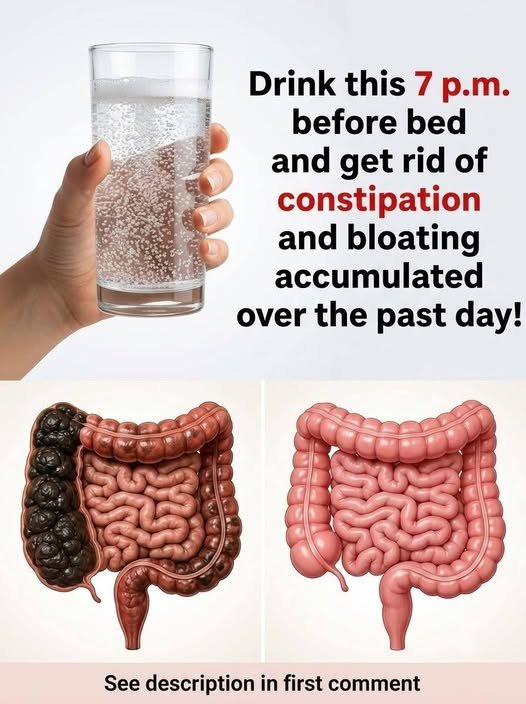
Have you ever felt heavy, bloated, or uncomfortable and wondered whether your body is holding on to waste that needs to be removed? Many people search for overnight colon cleanses hoping to feel lighter, improve digestion, and wake up with a flatter stomach.
You may have seen claims that it is possible to remove 15 kilograms of waste from your colon overnight. However, there is no reliable medical evidence that a typical person carries 15 kilograms of trapped waste in the colon or can safely eliminate that amount overnight. The digestive system naturally moves waste through the body, and the colon absorbs water while preparing stool for elimination.
The good news is that you can support regular bowel movements and reduce constipation-related discomfort through practical, everyday habits. Rather than relying on harsh cleanses, this guide explains how your colon works, which foods can help, and what to avoid when trying to improve digestive health.
Can You Really Remove 15 Kilograms of Waste Overnight?
The claim that a person can cleanse 15 kilograms of waste from the colon overnight is misleading. Stool weight varies according to diet, hydration, bowel habits, and individual digestive health. A large, sudden change on the scale after using a laxative or undergoing a bowel preparation does not necessarily mean that a similar amount of waste has been removed.
Rapid weight changes can reflect the loss of water and intestinal contents rather than body fat. Strong laxatives, enemas, and detox products may also cause dehydration and electrolyte imbalances.
Your body already has a natural waste-removal system involving the intestines, liver, and kidneys. Most healthy people do not need a special colon cleanse.
Signs You May Be Experiencing Constipation
Constipation can make you feel uncomfortable and bloated. Common symptoms include:
- Having fewer than three bowel movements per week.
- Passing hard, dry, or lumpy stools.
- Straining during bowel movements.
- Feeling that your bowel has not emptied completely.
- Experiencing abdominal discomfort or bloating.
Occasional constipation is common. However, persistent symptoms may be related to low fiber intake, inadequate fluid intake, certain medications, reduced physical activity, or an underlying medical condition.
7 Natural Ways to Support Healthy Bowel Movements
1. Start Your Morning With Water
Drinking water after waking up can help you maintain adequate hydration, particularly if you did not drink enough fluids the previous day. Water also works alongside dietary fiber to help soften stool.
Try drinking a glass of water in the morning and continue drinking fluids throughout the day according to your needs. Warm water is fine if you find it soothing, but there is no strong evidence that warm water specifically detoxifies the colon better than ordinary water.
People who have been instructed to restrict fluids because of a heart or kidney condition should follow their healthcare professional’s advice.
2. Eat Fiber-Rich Foods Every Day
Fiber is one of the most effective dietary tools for supporting regular bowel movements. It helps increase stool bulk, and certain types of fiber retain water to make stools easier to pass.
Good sources include:
- Oats and whole-grain cereals.
- Beans, lentils, and chickpeas.
- Apples, pears, oranges, and berries.
- Carrots, spinach, broccoli, and other vegetables.
- Chia seeds and ground flaxseeds.
Increase fiber gradually rather than adding a large amount all at once. Increasing fiber too quickly can worsen gas and bloating, especially when fluid intake is inadequate.
3. Try Prunes or Kiwi
Prunes contain fiber and naturally occurring sorbitol, which can help draw water into the intestines and support bowel movements. Kiwi is another fruit that may help some people with constipation.
You can try a small serving of prunes or one or two kiwis as part of your regular diet. Individual responses vary, and eating these fruits is not a guaranteed overnight solution.
Whole fruit is generally preferable to relying on concentrated juices or supplements because it also provides fiber and other nutrients.
4. Include Oats or Chia Seeds in Your Breakfast
Oats contain soluble fiber, while chia seeds absorb liquid and form a gel-like consistency. Both can contribute to a fiber-rich eating pattern.
For an easy breakfast, prepare oatmeal with fruit. Alternatively, mix a small amount of chia seeds into yogurt or soak them in liquid until fully hydrated.
Always consume chia seeds with sufficient liquid. Avoid swallowing a large quantity of dry seeds, especially if you have difficulty swallowing.
5. Walk After Meals
Physical activity supports general health and may help encourage regular bowel habits. A gentle 10–20-minute walk after a meal is a simple place to start.
You do not need an intense workout or a special abdominal exercise to make your digestive system work. Consistency is more important than intensity.
If you spend most of your day sitting, try taking short movement breaks and gradually increasing your daily activity.
6. Establish a Regular Bathroom Routine
Your body’s natural bowel reflex is often more active after meals, especially breakfast. Allowing time to use the bathroom after eating may help establish a regular routine.
Try these habits:
- Respond when you feel the urge to pass stool.
- Avoid repeatedly delaying bathroom visits.
- Place your feet on a small footstool while sitting on the toilet, if comfortable.
- Avoid excessive straining.
- Give yourself enough time without sitting on the toilet for prolonged periods.
A regular routine may be more helpful than attempting to force a bowel movement through a harsh cleanse.
7. Consider Psyllium Fiber if Needed
Psyllium is a soluble fiber supplement that can help some adults with constipation. It absorbs water and increases stool bulk.
If you consider using it, follow the product instructions and take it with the recommended amount of liquid. Start with a low dose if appropriate, and ask a pharmacist or healthcare professional whether it is suitable for you.
Psyllium may not be appropriate for people with difficulty swallowing, suspected intestinal blockage, or certain gastrointestinal conditions. It can also affect the absorption of some medicines, so check whether you need to separate doses.
A Simple One-Day Eating Plan for Better Digestion
You do not need to fast or drink a special detox mixture to support bowel regularity. Try a balanced day of meals instead.
Morning: Drink water and eat oatmeal topped with kiwi or berries.
Lunch: Enjoy lentils or beans with vegetables and a whole-grain roti or another whole-grain option.
Afternoon snack: Have a pear, an apple, or a small serving of prunes.
Dinner: Eat vegetables with a balanced source of protein, such as fish, chicken, eggs, or beans, along with whole grains if tolerated.
Throughout the day: Drink fluids regularly, move your body, and respond to the urge to use the bathroom.
Adjust portions to your appetite and dietary needs. If you are not used to eating much fiber, increase these foods gradually over several days.
What About Lemon Water, Apple Cider Vinegar, and Detox Teas?
Lemon water can be a pleasant way to drink more fluids, but it does not dissolve accumulated waste or cleanse the colon.
Apple cider vinegar has not been shown to remove large quantities of stool from the intestines. Drinking it undiluted can irritate the throat and damage tooth enamel.
Some detox teas contain stimulant laxatives, such as senna. These may cause bowel movements, but they can also produce cramping, diarrhea, dehydration, and electrolyte disturbances. They should not be used routinely for weight loss or detoxification.
Coffee may stimulate a bowel movement in some people, but it is not a colon-cleaning treatment either.
Why You Should Avoid Extreme Colon Cleanses
Commercial colon cleanses, repeated enemas, and unsupervised high-dose laxatives can be risky. Potential problems include:
- Dehydration and dizziness.
- Loss of important electrolytes.
- Abdominal pain and diarrhea.
- Interactions with prescription medicines.
- Injury or, rarely, perforation from invasive procedures.
Colon cleansing is sometimes used before medical procedures, such as a colonoscopy, but that is a specific preparation guided by a healthcare professional. It is not the same as an everyday detox.
If constipation does not improve with dietary and lifestyle changes, a pharmacist or clinician can help you choose an appropriate treatment rather than relying on an aggressive cleanse.
When Should You Seek Medical Attention?
Seek urgent medical care if constipation occurs with severe or worsening abdominal pain, repeated vomiting, marked abdominal swelling, or an inability to pass gas. These symptoms can indicate a serious problem, including bowel obstruction.
Blood in your stool, unexplained weight loss, persistent changes in bowel habits, or constipation that keeps returning also deserve medical evaluation.
Do not attempt a home cleanse if you suspect an intestinal blockage or have severe abdominal symptoms.
Frequently Asked Questions
Can I clean my colon overnight?
There is no proven home method that safely removes a specific large amount of waste overnight. You may have a bowel movement after changing your diet or taking a treatment, but the result varies from person to person.
Does constipation mean waste is poisoning my body?
No. Ordinary constipation does not mean that toxins are accumulating throughout your body. However, persistent constipation can cause discomfort and sometimes signals a condition that needs treatment.
Does passing more stool mean I am losing body fat?
No. Stool and water loss can temporarily lower your weight, but this is not the same as losing body fat. Weight changes after a laxative or cleanse are often temporary.
Which foods help with constipation?
Oats, lentils, beans, pears, prunes, kiwi, vegetables, and other fiber-rich foods may help. Adequate fluids and gradual increases in fiber are important.
How long should I wait before seeking help for constipation?
Seek advice if symptoms persist despite reasonable self-care, repeatedly return, or represent a new change in your usual bowel habits. Get urgent help for severe pain, vomiting, marked swelling, or inability to pass gas.
Final Thoughts
Your colon does not need an extreme overnight detox to function properly. The claim that you can safely remove 15 kilograms of waste overnight is not supported by reliable medical evidence.
Instead, focus on hydration, gradual increases in fiber, regular movement, fruit and vegetables, and consistent bathroom habits. These measures can help support comfortable, regular bowel movements without exposing you to the risks of harsh cleansing products.
If you are experiencing ongoing constipation, the best approach is to identify the cause and choose a suitable treatment rather than trying to force your body to eliminate an unrealistic amount of waste.
SEO Details
SEO Title: How to Support Colon Health Naturally and Relieve Constipation
Meta Description: Learn how your colon works, which foods may relieve constipation, and how to support regular bowel movements safely without extreme detox cleanses.
Focus Keyword: natural colon cleanse
URL Slug: natural-colon-health-constipation-relief
Related Keywords: colon health, constipation relief, foods for regular bowel movements, fiber-rich foods, natural digestive health, hydration and digestion, safe constipation remedies