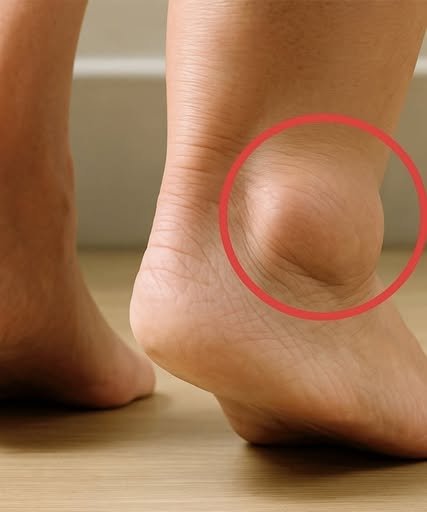
If Your Feet Swell, It May Be a Sign of Something Your Body Is Telling You
Have you ever looked down at your feet at the end of the day and noticed that your shoes feel tighter than usual? Maybe your ankles look puffy, your socks leave deeper marks than normal, or your feet feel heavy and uncomfortable.
Swollen feet and ankles are common, and in many cases they are temporary. Sitting or standing for several hours, traveling, eating a salty meal, hot weather, pregnancy, or certain medications can all contribute to swelling.
However, persistent or unexplained swelling should not automatically be dismissed as a normal part of getting older or having a busy day. Sometimes, swelling can be associated with problems involving the veins, heart, kidneys, liver, or other parts of the body.
The medical term for swelling caused by excess fluid in the tissues is edema. Understanding what may be behind it can help you recognize when simple lifestyle changes may be enough and when it is worth speaking with a healthcare professional.
What Causes Swollen Feet?
Swelling happens when excess fluid collects in the tissues. Your body normally keeps fluid moving through the bloodstream and lymphatic system, but several factors can interfere with this balance.
Some causes are relatively harmless, while others deserve medical evaluation.
1. Sitting or Standing for Too Long
One of the most common reasons for swollen feet is staying in the same position for an extended period.
When you stand or sit for many hours, gravity can cause fluid to accumulate in the lower legs and feet. This is especially common after long workdays, road trips, flights, or periods of inactivity.
The swelling often improves after walking around, elevating the legs, or getting a good night’s rest.
2. Eating Too Much Sodium
A high-sodium diet can cause the body to retain more water. This may temporarily increase swelling in the feet, ankles, hands, or other areas.
Processed foods, packaged snacks, instant noodles, canned foods, sauces, fast food, and heavily salted meals can contain significant amounts of sodium.
If you frequently experience swelling, paying attention to your overall sodium intake may be worthwhile.
3. Hot Weather
Swelling can become more noticeable during hot weather.
Heat can cause blood vessels to widen, and this can contribute to fluid moving into surrounding tissues. Some people notice puffier feet and ankles after spending considerable time outdoors during very warm conditions.
Heat-related swelling is generally temporary, but persistent swelling should not simply be attributed to the weather without considering other possible causes.
4. Certain Medications
Some medications can cause swelling as a side effect.
Examples include certain medicines used for blood pressure, diabetes, inflammation, and other conditions. If swelling began after starting a new medication, do not stop taking it on your own.
Instead, discuss the symptom with the prescribing healthcare professional. They can determine whether the medication could be contributing to the problem and whether any adjustment is appropriate.
Could Swollen Feet Be Related to Your Veins?
Sometimes swelling in the lower legs and feet is associated with problems with the veins.
Your leg veins have to transport blood upward toward the heart against gravity. Valves inside the veins help keep blood moving in the correct direction.
When these valves do not work efficiently, blood can accumulate in the lower legs. This may contribute to swelling, aching, heaviness, or visible veins.
People who spend many hours standing or sitting may be particularly familiar with this type of leg discomfort.
When Swelling May Be Related to the Kidneys
The kidneys help regulate fluid and electrolyte balance and remove waste products from the blood.
When kidney function is significantly impaired, the body may have difficulty maintaining normal fluid balance. This can contribute to swelling, sometimes affecting the feet and ankles.
However, swollen feet alone cannot diagnose kidney disease.
Other symptoms and laboratory tests are usually needed to determine whether the kidneys are involved.
If swelling persists without an obvious explanation, a healthcare professional may consider checking kidney function along with other possible causes.
Could Your Heart Be Involved?
Certain heart conditions can cause the body to retain fluid, which may result in swelling of the legs, ankles, or feet.
Heart-related swelling may occur alongside other symptoms such as:
- Shortness of breath
- Reduced ability to exercise
- Unusual tiredness
- Rapid weight gain from fluid
- Difficulty breathing when lying down
- Persistent coughing or congestion
This does not mean that swollen feet automatically indicate heart disease. There are many much less serious explanations.
But when swelling occurs together with breathing difficulties, chest discomfort, or other concerning symptoms, it deserves prompt medical attention.
What About Liver Problems?
The liver plays an important role in maintaining proteins and fluid balance in the body.
Certain advanced liver conditions can contribute to fluid accumulation in the abdomen and legs. Swelling related to liver disease generally occurs alongside other clinical findings rather than appearing as an isolated symptom.
Possible symptoms can include abdominal swelling, unusual fatigue, yellowing of the skin or eyes, easy bruising, or changes in appetite.
If several of these symptoms occur together, medical evaluation is important.
One Foot Swollen? Pay Attention to the Pattern
An important clue is whether one foot or leg is swollen or both are swollen.
Swelling in both feet can occur with fluid retention, prolonged sitting or standing, medication effects, and several other conditions.
Swelling that develops suddenly in only one leg can have different causes, including an injury or a blood clot.
A blood clot in a deep vein, known as deep vein thrombosis (DVT), can cause swelling, pain, warmth, or redness in one leg.
If you develop sudden one-sided leg swelling, particularly with pain or tenderness, seek medical assessment promptly.
When Swollen Feet Need Urgent Attention
Do not ignore swelling when it occurs with potentially serious symptoms.
Seek urgent medical care if swelling is accompanied by:
- Chest pain or pressure
- Sudden shortness of breath
- Difficulty breathing
- Coughing up blood
- Fainting or severe dizziness
- Sudden swelling of one leg with significant pain
- A leg that becomes unusually red, warm, or tender
- Rapid and unexplained worsening of swelling
These symptoms can sometimes indicate conditions that require immediate evaluation.
Simple Things That May Help Mild Swelling
If your swelling is mild and appears after prolonged sitting, standing, travel, or a particularly salty meal, several simple measures may help.
Elevate Your Feet
When resting, place your feet on a pillow or another comfortable support so they are elevated.
Move Regularly
If you sit for long periods, get up periodically and walk around. Gentle ankle movements can also help keep the legs active.
Watch Your Salt Intake
Reducing excessive sodium from highly processed and heavily salted foods may help reduce fluid retention.
Stay Hydrated
Drinking an appropriate amount of water supports normal fluid balance. Avoid assuming that drinking less water is the solution to swelling.
Wear Comfortable Shoes
Tight footwear can make already swollen feet feel considerably worse. Choose comfortable shoes with adequate room.
Should You Massage Swollen Feet?
Gentle movement may be helpful for ordinary swelling, but massage is not appropriate for every cause of leg swelling.
For example, unexplained sudden swelling in one leg could potentially be related to a blood clot, and it should be medically assessed rather than treated with vigorous massage at home.
If you regularly experience unexplained swelling, ask a healthcare professional what measures are appropriate for your situation.
Keep Track of When the Swelling Happens
One useful way to understand recurring swelling is to notice its pattern.
Ask yourself:
- Does it happen after standing all day?
- Is it worse at night?
- Does it improve overnight?
- Does it affect both feet or only one?
- Did it begin after starting a medication?
- Is there pain, redness, or warmth?
- Have you recently traveled for several hours?
- Have you gained weight rapidly?
- Are there other symptoms occurring at the same time?
These details can provide useful information during a medical appointment.
The Bottom Line
Swollen feet are not a clear sign of one particular disease. Sometimes the cause is as simple as prolonged standing, sitting, heat, or eating too much sodium. In other situations, persistent swelling can be associated with vein problems, medication side effects, or disorders affecting the heart, kidneys, liver, or other systems.
The most important thing is to pay attention to the pattern, duration, severity, and accompanying symptoms.
If your feet regularly swell without an obvious explanation, the safest approach is to have the symptom evaluated rather than trying to diagnose the cause yourself.
And if swelling appears suddenly—especially in one leg—or occurs alongside chest pain or breathing difficulty, seek urgent medical attention.
Final Takeaway
Your feet can sometimes provide clues about what is happening throughout your body, but swelling by itself does not tell you exactly what is wrong. Treat it as a symptom worth observing, especially when it is persistent, unexplained, or accompanied by other changes.
SEO Title
Swollen Feet: What It May Mean and When to Seek Medical Help
Meta Description
Swollen feet can have many causes, from prolonged standing and excess sodium to medication effects and underlying health conditions. Learn when swelling deserves medical attention.