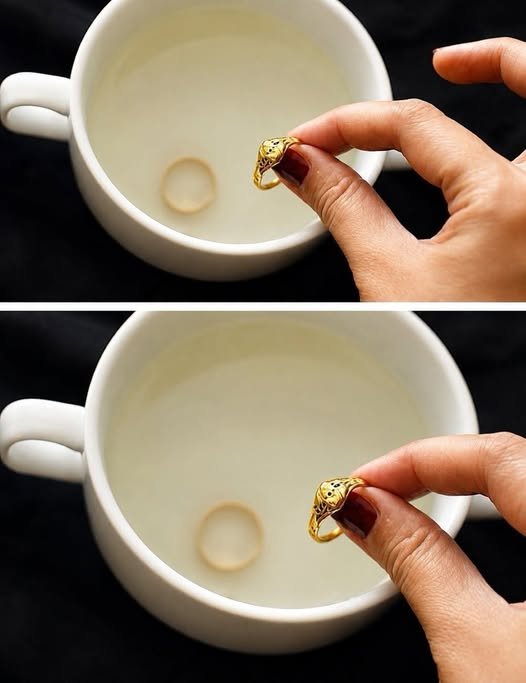
Over time, jewelry can lose its sparkle because of skin oils, dust, lotions, soap, and everyday buildup. Fortunately, many pieces can be freshened up at home with a few gentle cleaning steps.
The key is to identify the jewelry material first. Gold, silver, stainless steel, gemstones, and plated jewelry don’t all tolerate the same cleaning methods.
What You’ll Need
- A small bowl
- Lukewarm water
- A few drops of mild dish soap
- A soft-bristled toothbrush or jewelry brush
- A soft microfiber or cotton cloth
- A clean towel
- A small strainer, optional
Step 1: Prepare a Gentle Cleaning Solution
Fill a small bowl with lukewarm water and add a few drops of mild dish soap.
Mix gently until the soap is distributed throughout the water.
Avoid very hot water, especially when cleaning jewelry containing delicate stones or glued settings.
Step 2: Remove Surface Dirt
Place the jewelry in the solution for a few minutes if the material is known to tolerate gentle soaking.
For pieces that should not be soaked, dip a soft cloth into the solution and gently wipe the surface instead.
Use a soft toothbrush to carefully clean around settings, chains, clasps, and other hard-to-reach areas.
Don’t scrub aggressively. Excessive brushing can scratch softer metals or damage delicate finishes.
Step 3: Rinse Carefully
Rinse the jewelry with clean lukewarm water to remove any remaining soap.
When working over a sink, close the drain or place a towel over it first. Small pieces can easily slip away.
For very delicate jewelry, wipe away the cleaning solution with a clean damp cloth instead of rinsing directly under running water.
Step 4: Dry Thoroughly
Pat the jewelry dry with a soft, lint-free cloth.
Allow it to air-dry completely before storing it.
For chains and intricate pieces, gently move the cloth around the links to remove trapped moisture.
Step 5: Polish for Extra Shine
Once completely dry, gently buff suitable metal surfaces with a jewelry polishing cloth.
Use light pressure and avoid polishing plated, intentionally oxidized, or specially finished surfaces unless the manufacturer specifically recommends it.
Important: Avoid These Common Cleaning Mistakes
Not every piece of jewelry should be cleaned with homemade solutions.
Avoid using toothpaste, baking soda, bleach, chlorine, abrasive powders, or harsh chemicals unless the jewelry manufacturer specifically says they are safe.
These substances can scratch metal, damage plating, dull finishes, or harm certain gemstones.
Also avoid prolonged soaking for jewelry containing porous or delicate gemstones, pearls, opals, turquoise, glued components, or unknown materials.
Different Jewelry Needs Different Care
Gold Jewelry
Solid gold generally tolerates gentle soap and lukewarm water well. Avoid abrasive cleaners that can scratch the surface.
Silver Jewelry
Silver can naturally tarnish over time. A silver-polishing cloth designed specifically for sterling silver is generally preferable to abrasive household cleaning methods.
Gold-Plated Jewelry
Be especially gentle. Aggressive rubbing or frequent polishing can remove the thin gold layer underneath.
Pearls
Pearls are delicate and should generally not be soaked. Wipe them gently with a slightly damp soft cloth and allow them to dry completely.
Gemstone Jewelry
Care depends on the specific stone. Some gemstones can be sensitive to heat, chemicals, sudden temperature changes, or prolonged exposure to water.
If you’re unsure what a stone is or how it should be cleaned, check the manufacturer’s care instructions or ask a professional jeweler.
How to Keep Jewelry Shiny Longer
A little prevention can reduce the need for frequent cleaning.
- Put jewelry on after applying lotions, perfumes, and cosmetics.
- Remove jewelry before swimming or using a hot tub.
- Take pieces off before showering when possible.
- Remove jewelry before exercising or doing household cleaning.
- Store pieces separately to prevent scratches and tangling.
- Keep jewelry away from household chemicals.
- Wipe pieces gently after wearing them to remove oils and residue.
When to See a Jeweler
If a stone is loose, a clasp is damaged, a setting is bent, or the jewelry has significant scratches or discoloration, home cleaning may not be enough.
A professional jeweler can inspect the piece, safely clean it, and check whether stones and settings are secure.
With the right gentle method and a little regular care, many everyday jewelry pieces can look noticeably cleaner and brighter without risking unnecessary damage.