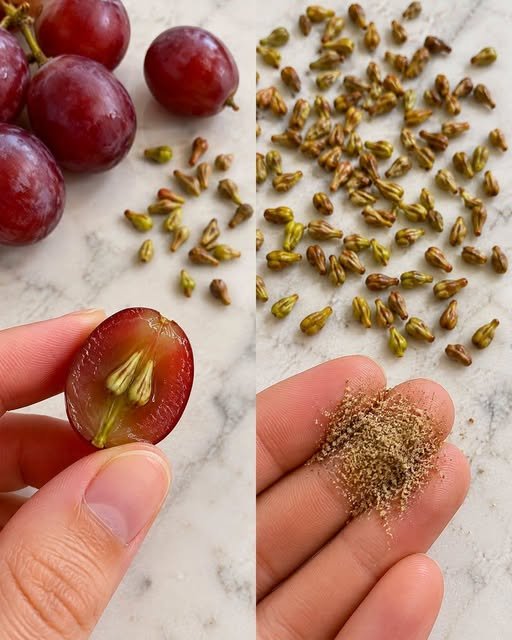
When people eat grapes, they usually enjoy the sweet, juicy fruit and discard the seeds without giving them a second thought. But those tiny seeds contain naturally occurring plant compounds that have attracted considerable interest from researchers.
Grape seeds are particularly rich in polyphenols, including compounds such as proanthocyanidins, which have antioxidant properties. Grape seed extract has been studied for its potential effects on cardiovascular health, blood pressure, inflammation, and other areas of wellness.
That does not mean eating grape seeds will cure disease or produce dramatic results overnight. In fact, much of the research has examined standardized grape seed extracts, not simply chewing the seeds found inside fresh grapes.
Still, these tiny seeds are more interesting nutritionally than many people realize.
What Makes Grape Seeds Special?
Grape seeds contain several naturally occurring compounds, including:
- Polyphenols
- Proanthocyanidins
- Flavonoids
- Phenolic acids
- Healthy fats in grape seed oil
- Vitamin E and other antioxidant compounds in grape seed oil
The concentration and composition can vary depending on the grape variety and how the seeds are processed.
One reason grape seeds have attracted attention is their high concentration of antioxidant compounds. Antioxidants help protect cells from oxidative stress, although antioxidant activity in a laboratory does not automatically translate into prevention or treatment of a specific disease in humans.
1. They Contain Powerful Plant Compounds
Proanthocyanidins are among the best-known compounds in grape seeds.
These compounds belong to the polyphenol family and have antioxidant activity. Researchers have investigated them for their possible effects on blood vessels, inflammation, and cardiovascular health.
However, it is important to distinguish between biological activity observed in laboratory studies and proven clinical benefits in humans.
2. Grape Seed Extract Has Been Studied for Blood Pressure
One of the more interesting areas of human research involves blood pressure.
Clinical studies have investigated grape seed extract as a possible supplement for people with elevated blood pressure. Some research suggests that standardized extracts may produce modest improvements in certain blood-pressure measurements.
But grape seed extract should not be considered a replacement for prescribed blood-pressure medication, regular exercise, a balanced diet, or medical care.
If you have hypertension, don’t stop your medication because you have started consuming grape seeds or grape seed extract.
3. They May Support Cardiovascular Health
The compounds found in grape seeds have been studied for their possible effects on vascular function and cardiovascular risk factors.
Some research suggests that grape seed polyphenols may influence oxidative stress and blood-vessel function.
But cardiovascular health depends on many factors, including:
- Blood pressure
- LDL cholesterol
- Blood sugar
- Smoking
- Physical activity
- Body weight
- Diet
- Family history
- Age
No single seed or supplement can replace these broader lifestyle and medical factors.
4. They Have Antioxidant Properties
Oxidative stress occurs when there is an imbalance between free radicals and the body’s antioxidant defenses.
Grape seed compounds can act as antioxidants in laboratory and experimental settings.
Eating a varied diet containing fruits, vegetables, nuts, seeds, legumes, and whole grains provides many different plant compounds rather than relying on one concentrated source.
5. Grape Seed Oil Is Different From Grape Seed Extract
This distinction is often overlooked.
Grape seed extract is generally concentrated in polyphenolic compounds.
Grape seed oil is primarily a source of fats extracted from grape seeds.
They therefore have different compositions and should not be treated as interchangeable.
Grape seed oil can be used as a cooking oil or in cosmetic products, while grape seed extract is generally sold as a dietary supplement.
6. They May Have Potential Skin Benefits
Grape seed compounds are also used in cosmetic and skincare formulations.
Their antioxidant properties have made them interesting for products designed to support the appearance and protection of skin.
Grape seed oil is used in moisturizers and other personal-care products because it has a relatively light texture.
However, claims that grape seeds can erase wrinkles, reverse aging, or permanently transform the skin go far beyond what the evidence supports.
7. They Are Being Studied for Inflammation
Polyphenols from grape seeds have demonstrated anti-inflammatory activity in experimental research.
Scientists are interested in whether these effects could translate into meaningful benefits for human health.
But inflammation is a normal biological process with many different causes. A supplement that shows anti-inflammatory activity in a laboratory should not automatically be described as a treatment for inflammatory diseases.
8. They May Have Effects on Cholesterol and Metabolic Health
Grape seed extract has been investigated for possible effects on cholesterol and other metabolic markers.
Some studies have reported changes in certain cardiovascular risk factors, while other findings are less conclusive.
This is why grape seed products are better viewed as an area of ongoing research rather than a proven cholesterol-lowering treatment.
If you have high cholesterol, established approaches such as dietary changes, physical activity, and prescribed medication when indicated remain important.
Can You Simply Eat Grape Seeds?
This is where things become practical.
Grape seeds are naturally hard and bitter. Most people find whole grape seeds unpleasant to chew.
Commercial grape seed extracts are processed and standardized differently from the seeds found in fresh grapes.
If you occasionally swallow a small grape seed, that is generally different from taking a concentrated grape seed supplement.
You shouldn’t assume that consuming large quantities of raw grape seeds will reproduce the results seen in studies using standardized extracts.
Grape Seeds and Digestion
Because whole grape seeds contain plant material, they may contribute some fiber when consumed.
However, they are not a proven “colon cleanser” or digestive detox.
Eating large amounts of hard seeds may also be uncomfortable for some people.
A better strategy for digestive health is to obtain fiber from a variety of foods such as vegetables, fruits, legumes, whole grains, nuts, and seeds.
What About Grape Seeds for Kidney Health?
Grape seeds are sometimes promoted online as a natural kidney cleanser.
There is not enough evidence to claim that eating grape seeds can “flush” the kidneys, dissolve kidney stones, repair kidney damage, or lower creatinine within a few days.
Kidney health is influenced by blood pressure, diabetes, hydration, medications, cardiovascular health, and the underlying cause of kidney disease.
Anyone with diagnosed kidney disease should discuss supplements with their healthcare professional before using concentrated products.
What About Cancer?
This is another area where online claims can become exaggerated.
Laboratory research has examined grape seed compounds in relation to cancer-related biological pathways. But laboratory findings are not the same as demonstrating that grape seeds prevent or cure cancer in humans.
There is currently no justification for replacing cancer screening or treatment with grape seeds or grape seed supplements.
Grape Seeds vs. Grapes
The whole grape is still an important part of the story.
Grapes provide:
- Water
- Carbohydrates
- Fiber
- Vitamins and minerals
- Polyphenols
- Other plant compounds
The skin contains compounds such as resveratrol, while the seeds contain different polyphenols.
Rather than focusing on one isolated component, it is generally better to think about grapes as one food within a varied diet.
How to Include Grape Products in Your Diet
If you enjoy grapes, simple options include:
Fresh Grapes
Wash them thoroughly and eat them as a snack or add them to fruit salads.
Frozen Grapes
Freezing grapes creates a naturally sweet, refreshing snack.
Grapeseed Oil
Use grape seed oil appropriately in cooking or salad preparation, while remembering that it is primarily a source of fat rather than a concentrated source of grape seed polyphenols.
Grape Seed Extract
If you are considering a supplement, look for a reputable product and discuss it with your healthcare professional, especially if you take medications.
Important Safety Considerations
“Natural” does not automatically mean risk-free.
Concentrated grape seed supplements can potentially interact with medications or affect bleeding and blood pressure.
People who take blood-thinning or antiplatelet medications, blood-pressure medication, or other regular medicines should ask a healthcare professional before taking concentrated grape seed products.
People preparing for surgery should also disclose supplement use to their medical team.
Pregnant or breastfeeding individuals should seek professional advice before using concentrated supplements.
And remember: grape seed extract is substantially different from simply eating a few seeds from grapes.
The Bottom Line
Grape seeds may be small, but they contain an interesting collection of plant compounds, particularly polyphenols and proanthocyanidins.
Research has explored grape seed extract in areas including antioxidant activity, blood pressure, cardiovascular health, inflammation, and metabolic health.
But the most important distinction is between promising research and proven medical treatment.
Grape seeds are not a miracle cure, kidney cleanser, cancer treatment, or guaranteed anti-aging solution. Their value lies in the naturally occurring compounds they contain and the scientific interest surrounding them.
So the next time you encounter a grape seed, remember that this tiny part of the fruit is far more chemically interesting than its size suggests—but good health still comes from the bigger picture: a balanced diet, regular physical activity, adequate sleep, preventive care, and appropriate medical treatment when needed.
SEO Title
Grape Seeds Are More Valuable Than You Realize: Benefits, Uses & Safety
Meta Description
Discover why grape seeds are attracting attention for their polyphenols and antioxidant compounds, plus what research says about their potential benefits and safety.