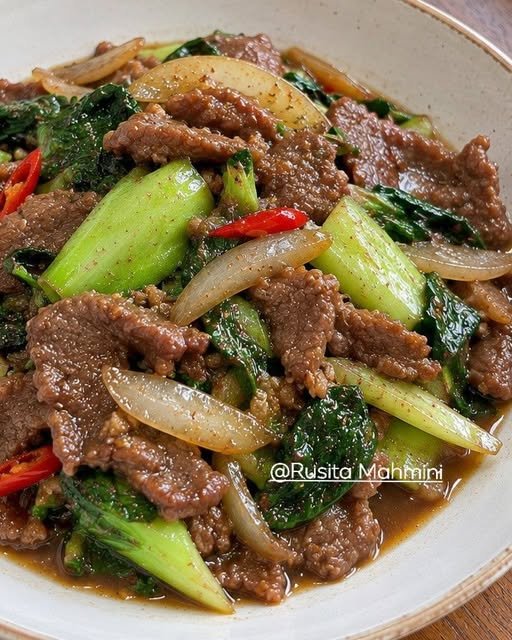
Garlic Ginger Beef and Bok Choy is a delicious, restaurant-style stir-fry that combines tender slices of beef, crisp bok choy, fresh garlic, and aromatic ginger in a savory sauce. This easy recipe delivers a wonderful balance of umami, gentle sweetness, and fresh vegetable flavor, making it an excellent choice for a quick weeknight dinner.
The beef absorbs the rich flavors of the garlic-ginger sauce, while the bok choy adds a refreshing crunch and tender leafy greens. Serve this dish over steamed rice or noodles for a satisfying meal that is simple enough for busy evenings but flavorful enough to feel special.
Why You’ll Love This Garlic Ginger Beef Recipe
- Quick and convenient: Prepare a satisfying homemade dinner in approximately 30 minutes.
- Packed with flavor: Garlic, ginger, soy sauce, and sesame oil create a delicious Asian-inspired sauce.
- Tender beef: Thinly sliced beef cooks quickly and absorbs the savory marinade.
- Fresh vegetables: Bok choy adds color, texture, and valuable nutrients.
- Easy to customize: Adjust the sauce, vegetables, and spice level to suit your taste.
Ingredients
For the beef:
- 1 pound (450 g) beef sirloin or flank steak, thinly sliced
- 1 tablespoon soy sauce
- 1 tablespoon cornstarch
- 1 teaspoon sesame oil
- ½ teaspoon freshly ground black pepper
For the stir-fry:
- 4–5 cups bok choy, washed and chopped
- 4 cloves garlic, finely minced
- 1 tablespoon fresh ginger, grated
- 1 medium onion, thinly sliced
- 2 tablespoons neutral cooking oil
- 2 green onions, sliced
- 1 teaspoon sesame seeds, optional
For the sauce:
- 3 tablespoons soy sauce
- 2 tablespoons oyster sauce
- ½ cup beef broth or water
- 1 teaspoon rice vinegar
- 1 teaspoon honey or brown sugar
- 1 teaspoon cornstarch mixed with 1 tablespoon cold water
- ¼ teaspoon red pepper flakes, optional
Instructions
Step 1: Prepare the Beef
Slice the beef thinly against the grain to help it remain tender. In a bowl, combine the beef with 1 tablespoon soy sauce, 1 tablespoon cornstarch, sesame oil, and black pepper.
Mix thoroughly and let it rest for 10–15 minutes while preparing the remaining ingredients. Cutting the meat into thin, even strips helps it cook quickly and evenly.
Step 2: Mix the Sauce
In a small bowl, whisk together the soy sauce, oyster sauce, beef broth, rice vinegar, honey or brown sugar, and red pepper flakes if using.
In a separate small container, mix the remaining cornstarch with cold water. This slurry will help thicken the sauce at the end of cooking.
Step 3: Prepare the Bok Choy
Rinse the bok choy thoroughly, paying attention to the base where dirt can collect. Separate the thicker white stems from the leafy green tops.
Cut the stems into bite-sized pieces and roughly chop the leaves. Keeping them separate allows the stems to soften without overcooking the delicate leaves.
Step 4: Sear the Beef
Heat 1 tablespoon of cooking oil in a large skillet or wok over medium-high heat. Add the beef in a single layer, working in batches if necessary.
Cook for approximately 2–3 minutes per side, depending on the thickness, until browned and cooked to your preferred safe temperature. Transfer the beef to a clean plate. Avoid overcrowding the pan, as this can cause the meat to steam instead of sear.
Step 5: Cook the Aromatics
Add the remaining tablespoon of oil to the same pan. Add the sliced onion and cook for 1–2 minutes until it begins to soften.
Stir in the minced garlic and grated ginger. Cook for about 30 seconds, stirring constantly, until fragrant. Avoid burning the garlic because it can make the sauce taste bitter.
Step 6: Stir-Fry the Bok Choy
Add the bok choy stems first and stir-fry for 2–3 minutes. Once they begin to soften, add the leafy tops and cook for another 1–2 minutes.
The stems should become slightly tender while retaining some crunch, and the leaves should wilt without becoming overly soft.
Step 7: Combine Everything
Return the cooked beef to the pan and pour in the prepared sauce. Toss the ingredients together so the beef and vegetables are evenly coated.
Stir the cornstarch slurry again, then add it gradually to the pan. Simmer for 1–2 minutes, stirring continuously, until the sauce thickens and becomes glossy. If it becomes too thick, add a small splash of water or broth.
Ensure the beef is thoroughly cooked before serving.
Step 8: Garnish and Serve
Remove the pan from the heat. Sprinkle sliced green onions and sesame seeds over the top, if desired.
Serve immediately over steamed jasmine rice, brown rice, or noodles. The savory sauce pairs especially well with rice because it soaks into the grains and brings all the flavors together.
Tips for the Best Garlic Ginger Beef and Bok Choy
Slice the beef against the grain. Look for the direction of the muscle fibers and cut across them. This helps produce more tender bites.
Use high heat. A hot pan helps brown the beef quickly and keeps the vegetables from becoming watery.
Cook in batches. Too much beef in the pan lowers the temperature and prevents proper browning.
Keep the ginger and garlic fresh. Fresh aromatics provide a brighter, more fragrant flavor than dried alternatives.
Do not overcook the bok choy. Add the stems before the leaves to preserve their contrasting textures.
Adjust the sauce to your taste. Add a little extra broth for a lighter sauce, more ginger for warmth, or a small amount of chili for heat. Soy sauce and oyster sauce can be salty, so taste the sauce before adding extra salt.
What Is Bok Choy?
Bok choy, also known as pak choi, is a type of Chinese cabbage commonly used in Asian cooking. It has crunchy white or pale-green stems and tender green leaves with a mild, slightly sweet flavor.
It works particularly well in stir-fries because the stems retain some crunch while the leaves soften quickly. Bok choy also provides vitamin C, vitamin K, folate, and other nutrients. Its nutritional contribution depends on the portion size and the rest of the meal.
What to Serve with Garlic Ginger Beef
This versatile stir-fry pairs well with several simple side dishes:
- Steamed jasmine rice: A classic pairing that absorbs the savory sauce.
- Brown rice: Adds a nuttier flavor and more fiber than white rice.
- Rice noodles: Make the meal feel like a takeout-style noodle bowl.
- Cauliflower rice: A vegetable-based alternative to traditional rice.
- Steamed dumplings: A tasty option for a larger Asian-inspired dinner.
Easy Variations
Make it spicy: Add chili flakes, sliced fresh chili, or a little chili-garlic sauce.
Add more vegetables: Mushrooms, bell peppers, broccoli, carrots, or snow peas work well in this recipe.
Use chicken instead: Thinly sliced chicken breast or thighs can replace the beef. Cook thoroughly before adding the sauce.
Make it less sweet: Reduce or omit the honey or brown sugar if you prefer a more savory sauce.
Make it gluten-free: Use certified gluten-free tamari instead of regular soy sauce and choose a gluten-free oyster sauce alternative. Check all labels, including broth and other sauces.
Reduce the sodium: Use reduced-sodium soy sauce, choose a lower-sodium broth, and reduce the oyster sauce. The final flavor will vary depending on the products used.
Storage and Reheating
Allow leftovers to cool slightly, then refrigerate them in an airtight container within two hours of cooking. Store at 40°F (4°C) or below and consume within 3–4 days.
Reheat only the portion you plan to eat in a skillet over medium heat, adding a splash of water or broth to loosen the sauce. Stir until steaming hot throughout. You can also reheat it in the microwave, stirring halfway through.
Freezing is possible, although the bok choy may become softer after thawing. For the best texture, enjoy this dish freshly prepared.
Frequently Asked Questions
Can I use frozen bok choy?
Fresh bok choy generally gives the best texture. Frozen bok choy can be used, but thaw and drain it well before stir-frying to avoid excess moisture.
What is the best cut of beef for this recipe?
Flank steak and sirloin are excellent choices because they can be sliced thinly and cooked quickly. Skirt steak can also work when sliced against the grain.
Can I prepare the ingredients ahead of time?
Yes. Slice the beef, wash and chop the bok choy, mince the garlic, grate the ginger, and mix the sauce in advance. Keep the prepared ingredients refrigerated and cook shortly before serving.
How can I make the beef more tender?
Slice it thinly against the grain, avoid overcrowding the pan, and cook it quickly. A short marinade with soy sauce and cornstarch also helps create a tender texture.
Is Garlic Ginger Beef and Bok Choy healthy?
It can be part of a balanced meal. Beef provides protein, iron, and vitamin B12, while bok choy contributes vegetables and several vitamins. The overall nutritional profile depends on the cut of beef, amount of oil, sauce ingredients, and serving size. Using lean beef, plenty of bok choy, and reduced-sodium sauces can help create a lighter version.
Final Thoughts
Garlic Ginger Beef and Bok Choy is a simple, flavorful stir-fry that brings tender beef, fresh vegetables, and a rich garlic-ginger sauce together in one pan. With straightforward ingredients and a short cooking time, it is an excellent option for anyone who wants a homemade alternative to restaurant-style takeout.
Serve it over warm rice or noodles, customize the vegetables to your liking, and enjoy a satisfying dinner any day of the week.
SEO Details
SEO Title: Garlic Ginger Beef and Bok Choy – Easy Stir-Fry Recipe
Meta Description: Make Garlic Ginger Beef and Bok Choy with tender beef, fresh garlic, ginger, and crisp bok choy in a savory sauce. An easy weeknight stir-fry ready in about 30 minutes.
Focus Keyword: Garlic Ginger Beef and Bok Choy
URL Slug: garlic-ginger-beef-and-bok-choy
Related Keywords: beef and bok choy stir-fry, garlic ginger beef recipe, easy Asian beef stir-fry, beef with Chinese cabbage, quick beef dinner, homemade beef stir-fry