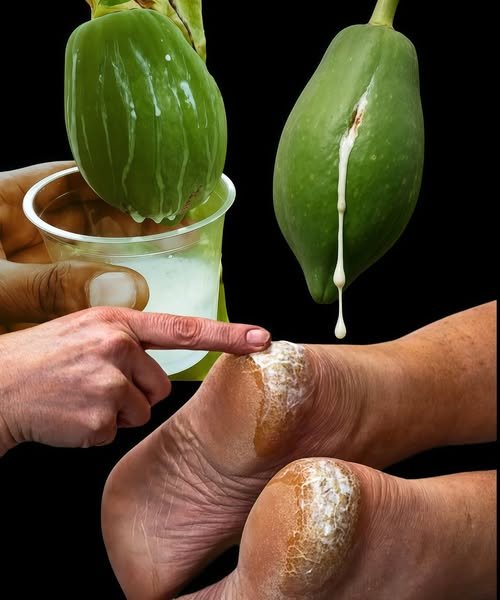
Papaya is one of those tropical fruits that is naturally sweet, colorful, and packed with nutrients. It is often used in smoothies, desserts, salads, and refreshing drinks. But in traditional home remedies, papaya has also been associated with skin care, including recipes sometimes described as “papaya milk” for cracked skin or cracks on the feet and hands.
Before trying any homemade remedy, however, it is important to separate traditional use from proven treatment.
Papaya contains enzymes and nutrients that may be interesting from a skin-care perspective, but there is not strong clinical evidence that rubbing papaya milk or raw papaya latex onto cracked skin will heal deep cracks. In fact, raw papaya latex can irritate some people’s skin.
For ordinary dry, cracked skin, simple measures such as moisturizing, protecting the skin, and avoiding irritating products are generally more dependable.
What Is “Papaya Milk”?
The term “papaya milk” can be confusing because it may refer to two different things.
Some people mean a drink made from ripe papaya and milk, while traditional remedies may refer to the white, milky latex that comes from an unripe or freshly cut papaya.
These are not the same thing.
A papaya smoothie is a food. Papaya latex is a plant substance containing enzymes and other compounds and can be irritating when applied directly to sensitive or damaged skin.
For cracked skin, especially cracks that are open, bleeding, painful, or inflamed, applying raw plant latex is not something to assume is safe.
Why Does Skin Become Cracked?
Cracked skin usually develops when the skin barrier becomes excessively dry or damaged.
Common contributing factors include:
- Cold or dry weather
- Frequent handwashing
- Long hot showers
- Harsh soaps
- Household cleaning chemicals
- Excessive friction
- Standing for long periods
- Dry feet
- Ill-fitting footwear
- Eczema or other skin conditions
- Aging-related changes in the skin
Heel cracks can become particularly noticeable because the thick skin around the heels is exposed to pressure and friction.
When the skin loses enough moisture and flexibility, it can split.
Can Papaya Help the Skin?
Papaya is nutritionally valuable.
Ripe papaya provides nutrients such as vitamin C, vitamin A precursors, and other plant compounds. Vitamin C is important for normal collagen production and healthy skin.
However, eating papaya and applying papaya to a cracked area are two different things.
Eating a nutritious diet can support normal skin health, but that doesn’t mean papaya will directly close a crack or repair damaged skin overnight.
What About Papaya Enzymes?
Papaya contains enzymes, including papain, which have attracted interest in skin and wound-care research.
However, concentrated enzymes and raw plant preparations are not automatically safe or effective when applied to broken skin.
A homemade mixture can have an unpredictable concentration and may cause irritation, especially if the skin is already cracked.
That is why it’s better not to assume that a natural ingredient is harmless simply because it comes from a fruit.
A Safer Papaya Milk Drink
If you enjoy papaya, you can certainly turn it into a nutritious drink.
Ingredients
- 1 cup ripe papaya, peeled and cubed
- 1 cup cold milk
- ½ banana, optional
- ½ teaspoon honey, optional
- A few ice cubes, optional
Directions
- Place the ripe papaya and milk into a blender.
- Add banana or honey if desired.
- Blend until smooth and creamy.
- Add ice if you prefer it chilled.
- Serve immediately.
This is a delicious way to enjoy papaya as part of a balanced diet.
But it should be viewed as a nutritious beverage, not a treatment for cracked skin.
What Actually Helps Cracked Heels?
For ordinary dry, cracked heels, consistent skin care is usually more useful than experimenting with harsh home remedies.
1. Use a Thick Moisturizer
Apply a thick moisturizing cream or ointment to the affected area regularly.
Ingredients commonly used for very dry skin include:
- Petrolatum
- Urea
- Lactic acid
- Glycerin
- Ceramides
A thick moisturizer helps reduce water loss and supports the skin barrier.
2. Moisturize After Bathing
One of the easiest habits is applying moisturizer shortly after washing.
Pat the skin dry gently rather than rubbing it aggressively, then apply a thick moisturizer while the skin still has some moisture.
3. Wear Comfortable Footwear
If you’re dealing with cracked heels, shoes that reduce excessive pressure and friction can help.
Avoid footwear that repeatedly rubs or exposes the heel to excessive dryness.
4. Avoid Very Hot Water
Long, hot showers can worsen dry skin.
Use comfortably warm water instead and avoid spending unnecessary amounts of time soaking the affected area.
5. Be Careful With Exfoliation
A thick layer of hard skin can contribute to heel cracks, but aggressive scraping can make things worse.
Don’t cut cracked skin with a blade or razor.
If you use a pumice stone, do so gently on intact thickened skin rather than aggressively rubbing an open crack.
Can You Put Raw Papaya on a Crack?
It is better not to experiment with raw papaya latex on an open or bleeding crack.
Plant latex can cause skin irritation in some individuals, and damaged skin is particularly vulnerable.
If you’ve already applied a homemade papaya preparation and develop burning, redness, swelling, blistering, or worsening pain, wash the area gently with clean water and discontinue the preparation.
Seek medical advice if the reaction is significant or doesn’t improve.
When Cracked Skin Needs Medical Attention
Not every crack is simply a cosmetic problem.
See a healthcare professional if a crack:
- Is deep or repeatedly opens
- Bleeds frequently
- Becomes increasingly painful
- Develops redness or swelling
- Produces pus or drainage
- Becomes warm to the touch
- Doesn’t improve with regular moisturizing
- Keeps returning despite proper skin care
Persistent cracks can sometimes be associated with an underlying skin condition that needs specific treatment.
People with diabetes or reduced sensation in their feet should be particularly careful with foot cracks and wounds because injuries can become more serious without being noticed early.
Papaya as Part of a Healthy Diet
Although papaya isn’t a miracle cure for cracked skin, it can still be a useful fruit to include in a balanced diet.
You can enjoy it:
- Fresh with breakfast
- In a smoothie
- With yogurt
- In a fruit salad
- Chilled as a snack
- With oats or other whole grains
Combining fruit with protein and healthy fats can make a snack or breakfast more satisfying.
A Simple Daily Skin-Care Routine for Cracked Heels
Try this routine consistently:
Morning: Apply a moisturizer if the heels feel dry.
During the day: Wear comfortable, supportive footwear and avoid unnecessary friction.
After bathing: Pat your feet dry and apply a thick moisturizer.
Before bed: Apply a generous layer of moisturizer or petrolatum and wear clean cotton socks if comfortable.
Consistency is often more important than using a complicated collection of home remedies.
Common Mistakes That Can Make Cracks Worse
Scrubbing Too Hard
Aggressive exfoliation can damage the skin barrier.
Cutting Away Thick Skin
Using scissors, blades, or razors at home can create wounds and introduce infection.
Applying Strong Acids
Undiluted lemon juice, vinegar, or other acidic substances can irritate damaged skin.
Walking Barefoot on Hard Surfaces
Repeated pressure can contribute to heel cracking.
Ignoring Persistent Cracks
If a crack keeps returning despite basic care, it may need professional evaluation.
Frequently Asked Questions
Does papaya milk heal cracked heels?
There isn’t strong evidence that papaya milk heals cracked heels. A papaya-and-milk drink can be nutritious, but it should not be considered a treatment for skin cracks.
Can I apply raw papaya to cracked skin?
It’s best to avoid applying raw papaya latex to open or damaged skin because it may cause irritation.
Is papaya good for skin?
Papaya is a nutritious fruit containing vitamin C and carotenoid compounds that contribute to a healthy diet. Eating it supports overall nutrition, but it isn’t a standalone treatment for skin conditions.
What is the best thing for very dry heels?
A thick moisturizer or ointment used consistently can help. Products containing ingredients such as petrolatum or urea are commonly useful for very dry, thickened skin.
How long do cracked heels take to improve?
Mild dryness may improve within days with consistent moisturizing, while deeper cracks can take longer. Persistent or painful cracks should be assessed by a healthcare professional.
Can I use papaya milk every day?
As a food or smoothie, papaya milk can be enjoyed as part of a balanced diet if you tolerate the ingredients. There is no established need to drink it specifically for cracked skin.
Final Thoughts
Papaya is absolutely worth enjoying, but it doesn’t need exaggerated health claims to be valuable.
Papaya milk made as a drink can provide a delicious combination of fruit and milk, while papaya itself contributes useful nutrients to your diet. However, there isn’t strong evidence that this drink—or raw papaya latex applied to the skin—can directly heal cracked heels or other skin cracks.
For dry, cracked skin, focus on the basics: moisturize consistently, protect the skin from excessive friction and harsh products, avoid aggressive scraping, and seek medical attention when cracks are deep, infected, persistent, or associated with other symptoms.
Sometimes the most effective skin-care routine is also the simplest one.
SEO Details
SEO Title: Papaya Milk for Cracked Skin: What Really Helps Cracked Heels?
Meta Description: Can papaya milk heal cracked heels? Learn what papaya can realistically do for skin, why raw papaya may irritate damaged skin, and safer ways to care for dry, cracked heels.
Focus Keyphrase: papaya milk for cracked skin
Suggested URL Slug: papaya-milk-for-cracked-skin