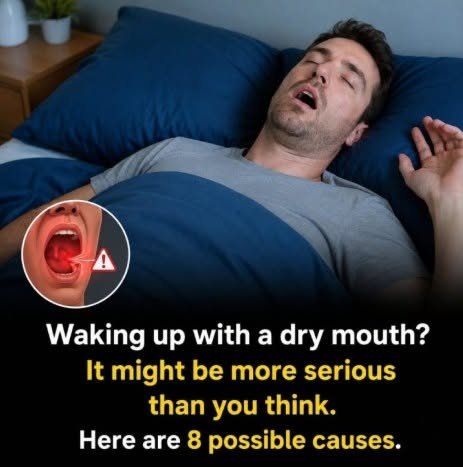
Waking up with a dry mouth once in a while is usually not a reason to panic. Sleeping with your mouth open, snoring, breathing through your mouth, not drinking enough fluids, or having a dry bedroom can all leave your mouth feeling parched in the morning.
But persistent dry mouth, especially when it happens night after night, deserves more attention.
Dry mouth, medically called xerostomia, occurs when the mouth does not have enough saliva. Saliva is important because it helps keep the mouth moist, makes chewing and swallowing easier, protects teeth, and helps control harmful microorganisms. Persistent lack of saliva can increase the risk of tooth decay, gum problems, mouth sores, and oral infections.
Here are eight signs that your nighttime dry mouth may be worth discussing with a doctor or dentist.
1. You Wake Up With an Extremely Dry Mouth Every Night
Occasional morning dryness is common. However, if you regularly wake up with a mouth that feels extremely dry or sticky, something may be contributing to reduced saliva production or increased mouth breathing.
Snoring and sleeping with the mouth open are common possibilities. Certain medications and medical conditions can also reduce saliva production.
Pay attention to whether the dryness occurs only after sleeping or continues throughout the day.
2. You Constantly Feel Thirsty
Dry mouth and dehydration can occur together, but they are not necessarily the same thing.
If you are repeatedly waking up thirsty, especially if you also urinate frequently or notice dark urine, consider whether you’re getting enough fluids during the day.
Dehydration can cause dry mouth along with thirst, reduced urination, dark-colored urine, tiredness, and dizziness.
Persistent excessive thirst, however, can have other causes and should be discussed with a healthcare professional if it continues.
3. Your Mouth Feels Sticky or Your Saliva Is Thick
Healthy saliva normally keeps the mouth comfortably moist.
With dry mouth, saliva can become noticeably thick, sticky, or stringy. You may feel as though you need to drink water repeatedly just to make your mouth comfortable.
This can become particularly noticeable during the night because saliva production naturally changes during sleep.
4. You Have Trouble Swallowing, Chewing, or Speaking
Saliva isn’t simply water. It lubricates the mouth and helps make food easier to chew and swallow.
When there isn’t enough saliva, eating dry foods can become uncomfortable, and talking for long periods may become more difficult.
Persistent difficulty chewing or swallowing shouldn’t simply be blamed on dehydration. Dry mouth can result from medications, salivary-gland problems, certain diseases, or medical treatments.
5. You Develop Persistent Bad Breath
Morning breath is common, but persistent bad breath can be associated with dry mouth.
Saliva helps wash food particles from the mouth and helps control microorganisms. When saliva is reduced, bacteria and debris can accumulate more easily.
If bad breath continues despite good brushing, flossing, and tongue cleaning, consider discussing it with your dentist.
6. You Notice Mouth Sores, Burning, or Cracked Lips
Long-lasting dry mouth can cause more than discomfort.
You may notice:
- Cracked lips
- A dry or rough tongue
- Mouth sores
- Burning sensations
- Soreness in the mouth or throat
- Increased sensitivity to spicy or salty foods
Persistent dryness can also increase the risk of oral infections, including fungal infections.
These symptoms are a good reason to have your mouth examined rather than simply increasing your water intake indefinitely.
7. You Suddenly Develop More Cavities
One of the most important reasons to take persistent dry mouth seriously is its effect on dental health.
Saliva helps protect teeth by washing away food particles and contributing minerals that help maintain tooth structure. When saliva production is reduced, the risk of tooth decay and gum disease can increase.
If you’re suddenly developing cavities despite maintaining your usual dental-care routine, tell your dentist that you are also experiencing dry mouth.
8. Dry Mouth Comes With Other Unusual Symptoms
Dry mouth can sometimes be associated with an underlying medical condition.
For example, NIDCR lists diabetes and Sjögren’s disease among conditions that can cause dry mouth. Certain medications are also a very common cause.
Pay particular attention if dry mouth occurs together with symptoms such as:
- Very frequent urination
- Persistent excessive thirst
- Unexplained changes in weight
- Extremely dry eyes
- Joint or muscle discomfort
- Recurrent mouth infections
- Difficulty swallowing
- Persistent fatigue
These symptoms do not prove that you have a particular disease, but they can provide useful clues for a healthcare professional.
Why Is Your Mouth Dry at Night?
There isn’t one single cause.
Mouth Breathing
Sleeping with your mouth open can dry the tissues of the mouth and throat. Snoring and nasal congestion can make mouth breathing more likely.
If you wake up with a dry mouth but feel relatively normal during the day, nighttime mouth breathing may be worth considering.
Medications
Hundreds of medications can contribute to dry mouth.
Examples include some medicines used for:
- High blood pressure
- Depression
- Anxiety
- Allergies
- Nasal congestion
- Pain
- Bladder-control problems
If you suspect a medication is causing your symptoms, don’t stop taking it on your own. Ask your doctor or pharmacist whether dry mouth is a possible side effect and whether another option exists.
Dehydration
Not drinking enough fluids can contribute to dry mouth.
This can be particularly noticeable after exercise, illness, hot weather, vomiting, or diarrhea.
Caffeine and Alcohol
Caffeine and alcohol can contribute to dryness or irritation for some people. Limiting them, particularly close to bedtime, may help if you notice a connection.
Medical Conditions
Certain diseases can affect saliva production.
Examples include diabetes and autoimmune conditions such as Sjögren’s disease. Head and neck radiation treatment can also damage salivary glands.
How to Relieve Dry Mouth at Night
There are several simple measures you can try.
Keep Water Nearby
Take small sips of water when needed rather than drinking a very large amount immediately before bed.
Use a Humidifier
Adding moisture to the bedroom air can help if the environment is particularly dry. NIDCR specifically recommends a humidifier at night for people experiencing dry mouth.
Encourage Saliva Production
Sugar-free gum or sugar-free hard candy can stimulate saliva production. Products containing xylitol may also provide dental benefits for some people.
Breathe Through Your Nose
If nasal congestion or snoring is causing you to breathe through your mouth, addressing the underlying problem may help.
Maintain Excellent Oral Hygiene
Brush your teeth regularly with fluoride toothpaste, clean between your teeth, and keep up with dental checkups.
This is particularly important because persistent dry mouth increases the risk of cavities and oral infections.
Avoid Alcohol-Based Mouthwash
Alcohol-containing mouthwash can worsen dryness or irritation. A product specifically formulated for dry mouth may be more appropriate.
When Should You See a Doctor or Dentist?
Occasional dry mouth usually isn’t concerning.
However, persistent dry mouth should be evaluated, particularly if it occurs most days, interferes with eating or speaking, causes mouth sores, or is accompanied by other unexplained symptoms.
A doctor or dentist can review your medications, examine your mouth, assess your saliva production, and determine whether additional testing is appropriate.
Don’t assume that persistent dry mouth is simply a normal part of getting older. NIDCR specifically notes that dry mouth is not a normal part of aging.
Final Thoughts
Waking up with a dry mouth doesn’t automatically mean something is wrong.
Sometimes the explanation is simple: mouth breathing, snoring, a dry bedroom, caffeine, alcohol, or not drinking enough fluids.
But when dry mouth becomes persistent, it can affect your teeth, gums, ability to eat and speak, and overall oral comfort. It can also sometimes be associated with medications or underlying medical conditions.
The most important thing is to look at the pattern and accompanying symptoms, rather than assuming that dry mouth has one specific cause.
If you regularly wake up with a severely dry mouth, especially when you also have persistent thirst, mouth sores, recurrent infections, difficulty swallowing, or increasing dental problems, speak with a dentist or healthcare professional to find out what’s behind it.
SEO Title
Dry Mouth at Night: 8 Warning Signs You Shouldn’t Ignore
Meta Description
Waking up with a dry mouth every night? Learn 8 warning signs, common causes of nighttime dry mouth, simple relief tips, and when to see a doctor or dentist.
Focus Keyphrase
dry mouth at night
Suggested Slug
dry-mouth-at-night-warning-signs