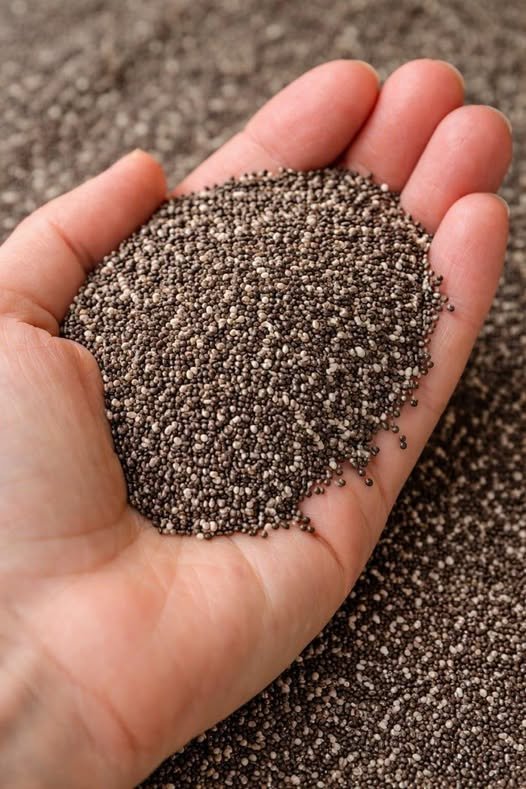
Doctors Reveal What Eating Chia Seeds Can Actually Do
Chia seeds have become popular because they are rich in fiber, plant-based omega-3 fatty acids, protein, and several minerals. But while they can be a nutritious addition to a balanced diet, eating chia seeds is not a miracle treatment for diabetes, weight loss, cholesterol, or other health conditions.
What happens when you regularly include chia seeds in your diet depends largely on how much you eat and how your body responds to their high fiber content.
1. They Can Support Regular Digestion
Chia seeds contain a substantial amount of dietary fiber. When exposed to liquid, they absorb water and form a gel-like texture.
This fiber can add bulk to stool and may help support regular bowel movements. However, suddenly eating a large amount can cause gas, bloating, abdominal discomfort, or constipation—particularly if you are not drinking enough fluids.
Start with a small amount and increase gradually if your body tolerates it.
2. They May Help You Feel Full
Because chia seeds contain fiber and some protein and fat, they can contribute to a feeling of fullness after meals.
Adding them to yogurt, oatmeal, smoothies, or chia pudding can make a meal more satisfying. However, chia seeds still contain calories, so simply adding large amounts to your existing diet is unlikely to automatically cause weight loss.
3. They Provide Plant-Based Omega-3 Fatty Acids
Chia seeds are particularly rich in alpha-linolenic acid (ALA), a plant-based omega-3 fatty acid.
ALA is an essential fatty acid, meaning your body needs to obtain it from food. Your body can convert some ALA into other omega-3 fatty acids, although the conversion is limited.
4. They Can Add Nutrients to Your Diet
A serving of chia seeds provides fiber, protein, calcium, magnesium, phosphorus, and other nutrients.
Rather than thinking of chia seeds as a medicine, it is more accurate to consider them one nutritious food that can contribute to an overall healthy eating pattern.
5. Eating Too Much Can Cause Digestive Problems
More isn’t always better.
Because chia seeds are so high in fiber, consuming a large quantity at once may lead to:
- Gas
- Bloating
- Abdominal discomfort
- Constipation
- Diarrhea in some people
Increase your intake gradually and make sure you consume adequate fluids.
6. Don’t Eat Large Amounts of Dry Chia Seeds
Chia seeds can absorb a considerable amount of liquid and expand.
For this reason, some people prefer to soak them before eating or mix them thoroughly into foods and liquids. Avoid swallowing large amounts of dry chia seeds by themselves, particularly if you have difficulty swallowing.
How Much Chia Seed Should You Eat?
There isn’t one perfect amount for everyone. A common serving is around 1–2 tablespoons (15–30 grams) per day.
If you’re new to high-fiber foods, start with a smaller amount and increase gradually while paying attention to how your digestive system responds.
Easy Ways to Eat Chia Seeds
You can add chia seeds to:
- Oatmeal
- Yogurt
- Smoothies
- Overnight oats
- Chia pudding
- Homemade granola
- Whole-grain cereals
- Salads
They are easy to incorporate into meals without dramatically changing the flavor.
The Bottom Line
Chia seeds can be a nutritious addition to a balanced diet because they provide fiber, ALA omega-3 fatty acids, protein, and minerals. They may support digestive health and help meals feel more filling.
But claims that chia seeds can “cure” diabetes, melt belly fat, cleanse the body, or replace medication go beyond what the evidence supports.
As with any high-fiber food, introduce chia seeds gradually and consume enough fluids. If you have a medical condition or take medication that affects digestion or blood sugar, discuss significant dietary changes with your healthcare professional.