You might have the perfect mattress, a comfortable pillow, and a relaxing bedtime routine, yet still wake up feeling stiff, sore, or tired. One often-overlooked factor is sleeping position.
The way you position your head, neck, spine, hips, and shoulders throughout the night can affect pressure on your body and how comfortable you feel while sleeping. While there isn’t one perfect position for everyone, certain positions may be more comfortable depending on your individual needs.
1. Sleeping on Your Back
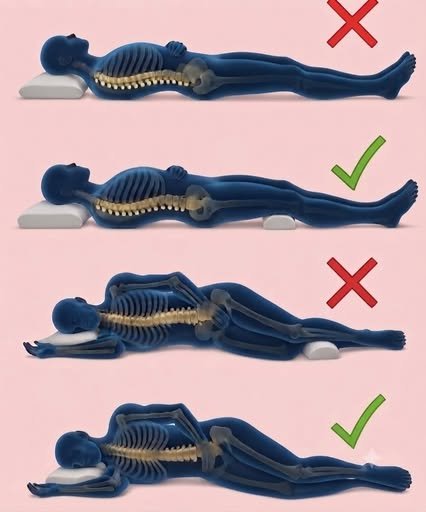
Back sleeping keeps your body facing upward and can allow your spine to remain relatively neutral when properly supported.
A pillow that supports the natural curve of your neck, combined with a mattress that provides adequate support, can help you maintain comfortable alignment.
Potential benefits
- May help keep the spine in a neutral position
- Distributes body weight relatively evenly
- Can reduce pressure on certain joints
- May be comfortable for people with some types of back discomfort
A possible drawback
For some people, sleeping on the back can make snoring or obstructive sleep apnea symptoms worse because the tongue and soft tissues can fall backward and partially narrow the airway.
If you regularly snore loudly, wake up gasping, or feel excessively sleepy during the day, talk with a healthcare professional rather than simply changing your pillow or sleep position.
2. Sleeping on Your Side
Side sleeping is one of the most common sleeping positions and can be comfortable for many people.
Keeping a pillow between the knees can help prevent the upper leg from pulling the pelvis forward and may make the hips and lower back feel more comfortable.
Potential benefits
- May reduce snoring for some people
- Can be helpful for people who find back sleeping uncomfortable
- May provide a comfortable position during pregnancy
A possible drawback
Without adequate pillow support, the head can tilt downward or upward, putting the neck out of alignment. A mattress that is too firm may also create uncomfortable pressure around the shoulder and hip.
3. Sleeping on Your Stomach
Some people naturally prefer sleeping on their stomach, but this position can make comfortable spinal alignment more difficult.
Because your head usually needs to be turned to one side so you can breathe, your neck remains rotated for an extended period.
Possible concerns
- Neck discomfort
- Increased pressure on the lower back
- Shoulder or hip discomfort
- Difficulty maintaining a neutral spinal position
If you prefer stomach sleeping, using a relatively thin pillow—or no pillow under your head if comfortable—may reduce excessive neck elevation.
4. The Pillow Matters More Than You Might Think
Your sleeping position and pillow work together.
A pillow that is too high or too low can place your neck at an awkward angle, potentially causing morning stiffness or discomfort.
Side sleepers generally need enough pillow height to fill the space between the head and mattress, while back sleepers often do better with a lower-profile pillow. Stomach sleepers typically need less elevation.
The goal is to keep your head and neck comfortably aligned with the rest of your spine.
5. Your Mattress Can Change How a Position Feels
A sleeping position that feels comfortable on one mattress may feel completely different on another.
A mattress that is too firm may create pressure around the shoulders and hips, while one that is too soft may allow the body to sink excessively.
There is no universally perfect mattress firmness. Your body shape, sleeping position, personal comfort, and support needs all matter.
6. Should You Change Your Sleeping Position?
Not necessarily.
If you sleep comfortably, wake feeling refreshed, and don’t experience significant pain or breathing problems, there may be no reason to force yourself into a different position.
However, experimenting with your position may be worthwhile if you regularly wake with:
- Neck or shoulder stiffness
- Lower-back discomfort
- Hip pain
- Numbness or tingling
- Frequent snoring
- Poor-quality sleep
Small adjustments can sometimes make a surprisingly big difference.
Simple Ways to Improve Your Sleep Position
Try these practical adjustments:
If you sleep on your back: Place a pillow under your knees if it feels more comfortable for your lower back.
If you sleep on your side: Try placing a pillow between your knees and use a pillow that keeps your neck level.
If you sleep on your stomach: Consider gradually transitioning toward side or back sleeping if stomach sleeping contributes to neck or back discomfort.
If you move around during the night: Don’t worry about maintaining one position perfectly. Changing positions during sleep is normal.
When Poor Sleep Needs More Attention
Your sleeping position isn’t always the reason you’re sleeping poorly.
Persistent insomnia, loud snoring, repeated nighttime awakenings, gasping during sleep, morning headaches, or significant daytime sleepiness can sometimes indicate an underlying sleep disorder.
Likewise, persistent pain should not simply be blamed on your mattress or sleeping position. A healthcare professional can help determine whether another condition may be contributing.
The Bottom Line
There is no single sleeping position that is best for everyone. The ideal position is one that allows you to breathe comfortably, keeps your body reasonably aligned, minimizes pressure and pain, and helps you sleep through the night.
If you’re waking up sore or uncomfortable, try making small changes to your pillow, mattress support, or sleeping position. Sometimes a simple adjustment is all it takes to make your nights more comfortable.