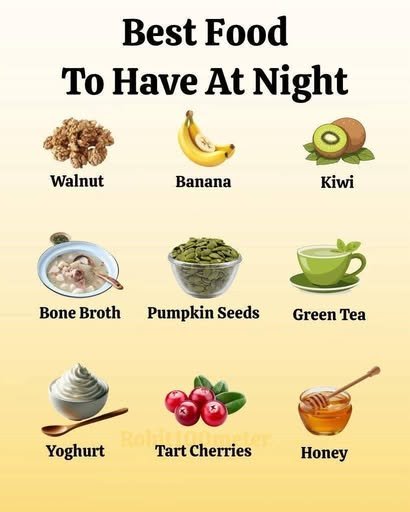
Best Foods to Have at Night: Healthy Options for an Evening Snack or Light Meal
What you eat at night can affect more than just hunger. A very heavy meal close to bedtime may leave you feeling uncomfortable, while going to bed extremely hungry can make it harder for some people to settle down.
The good news is that you don’t have to avoid food completely in the evening. The better approach is to choose nutrient-dense foods in sensible portions and pay attention to how your body responds.
Some foods provide protein, fiber, healthy fats, or carbohydrates that can make an evening snack more satisfying. Others may be particularly useful when you want something light rather than a large meal.
Here are some of the best foods to consider at night.
1. Plain Greek Yogurt
Greek yogurt is rich in protein and can make a satisfying evening snack.
Choose plain, unsweetened yogurt and add fresh berries, a few nuts, or a small amount of fruit if you want additional flavor.
Protein can help you feel fuller, making yogurt a useful choice when nighttime hunger strikes.
If dairy bothers your stomach, choose a suitable lactose-free or non-dairy alternative.
2. Kiwi
Kiwi is naturally sweet while providing fiber and vitamin C.
It has also been studied in relation to sleep, although eating kiwi should not be considered a treatment for insomnia.
One or two kiwis can make a refreshing alternative to cookies, candy, or other highly processed evening snacks.
3. Oatmeal
A small bowl of oatmeal can be a comforting evening option.
Oats provide carbohydrates and soluble fiber, including beta-glucan. Keep the portion moderate and avoid turning a healthy bowl of oats into a dessert loaded with sugar.
Try adding:
- Cinnamon
- Berries
- Sliced banana
- A few walnuts
- Chia or ground flaxseed
4. Bananas
Bananas provide carbohydrates, potassium, and vitamin B6.
A small banana can be convenient when you want something sweet without reaching for candy or pastries.
You can pair it with a small amount of natural peanut butter for additional protein and healthy fats.
Remember that bananas don’t have a special ability to “burn fat” while you sleep. Their value comes from their overall nutritional profile.
5. Almonds and Walnuts
Nuts can be an excellent nighttime snack when portion sizes are kept reasonable.
They provide healthy unsaturated fats, protein, fiber, and various micronutrients.
Because nuts are calorie-dense, a small handful is generally more appropriate than eating directly from a large bag.
6. Cherries
Cherries are naturally sweet and provide antioxidants and other plant compounds.
Tart cherries and cherry products have been studied for their potential relationship with sleep, but the evidence isn’t strong enough to claim that cherries will make everyone sleep better.
Fresh or frozen cherries can still be a nutritious nighttime snack.
7. Cottage Cheese
Cottage cheese provides protein and can be surprisingly satisfying.
For a savory option, combine it with cucumber, tomatoes, black pepper, or herbs.
For something sweeter, pair it with berries or a small amount of fruit.
Choose a lower-sodium version if you need to limit sodium.
8. Eggs
An egg can be a simple protein-rich option when you’re genuinely hungry at night.
A boiled egg is particularly convenient because it doesn’t require much preparation.
Pair it with vegetables or a small piece of whole-grain toast if you need a more substantial snack.
9. Oatmeal With a Little Nut Butter
Combining oats with a small amount of peanut or almond butter provides carbohydrates, protein, fiber, and healthy fats.
The key is portion size.
A large bowl with several spoonfuls of nut butter can turn a light snack into a very calorie-dense meal.
10. Berries
Strawberries, blueberries, raspberries, and blackberries are flavorful options when you want something sweet.
They provide fiber and a variety of plant compounds while generally being less calorie-dense than many desserts.
Enjoy them alone or combine them with plain yogurt.
11. Hummus and Vegetables
If you prefer savory snacks, hummus with vegetables can work well.
Try:
- Cucumber
- Carrot sticks
- Bell peppers
- Celery
- Cherry tomatoes
Hummus provides plant protein, fiber, and healthy fats from chickpeas and sesame-based tahini.
12. Whole-Grain Toast With Avocado
A slice of whole-grain toast topped with a modest amount of avocado can make a satisfying light meal.
Whole grains provide fiber, while avocado contributes unsaturated fats.
Add a boiled egg if you need more protein.
13. Warm Milk
A small cup of warm milk can be a comforting nighttime beverage.
Milk provides protein and calcium, but there is nothing magical about drinking it immediately before bed.
If you enjoy it and tolerate dairy well, it can be part of a relaxing bedtime routine.
Avoid adding large amounts of sugar if your goal is a healthier evening option.
14. Apples With Nut Butter
An apple provides fiber and natural sweetness.
Pairing apple slices with a small amount of peanut or almond butter makes the snack more filling than eating the fruit alone.
Choose natural nut butter when possible and check the label for added sugars and excess sodium.
15. Chia Pudding
Chia seeds absorb liquid and form a pudding-like texture.
Mix chia seeds with milk or an unsweetened milk alternative and allow the mixture to thicken in the refrigerator.
Top with berries or a few chopped nuts.
Because chia seeds are high in fiber, start with a moderate serving and make sure you’re drinking enough fluids throughout the day.
What Should You Avoid Eating Right Before Bed?
You don’t necessarily have to completely avoid any particular food, but some choices are more likely to cause problems close to bedtime.
Very Large Meals
A huge meal immediately before lying down can cause fullness and discomfort.
Try to give yourself some time between a substantial meal and bedtime.
Very Spicy Foods
Spicy foods may trigger heartburn or reflux in some people.
If you regularly experience nighttime heartburn, pay attention to whether spicy meals make your symptoms worse.
Heavy, High-Fat Meals
Large portions of fried or very fatty foods can feel uncomfortable when eaten close to bedtime.
Large Amounts of Caffeine
Coffee, energy drinks, strong tea, and other caffeinated products can interfere with sleep, particularly when consumed later in the day.
Caffeine sensitivity varies significantly between people.
Alcohol
Alcohol may make some people feel sleepy initially, but it can disrupt sleep quality and is not a good strategy for improving sleep.
Does Eating at Night Cause Weight Gain?
Not automatically.
Body weight is influenced by overall energy intake, physical activity, metabolism, sleep, and many other factors.
Eating late at night can become a problem when it regularly leads to extra calories, oversized portions, sugary snacks, or highly processed foods.
The time on the clock isn’t the only factor.
A balanced evening snack that fits your overall nutritional needs is very different from regularly eating a large amount of calorie-dense food late at night.
What Is the Best Food Before Bed?
There isn’t one food that is universally “best.”
A good choice depends on why you’re eating.
If you’re mildly hungry:
Try yogurt, fruit, a small handful of nuts, or an egg.
If you want something sweet:
Try berries, kiwi, banana, or apple with a small amount of nut butter.
If you want something savory:
Try hummus with vegetables, cottage cheese, or an egg with whole-grain toast.
If you’re genuinely hungry for a meal:
Choose a balanced combination of protein, vegetables, and a moderate portion of whole grains or another high-fiber carbohydrate.
A Simple Nighttime Snack Formula
Instead of memorizing a long list of “perfect” foods, use this simple formula:
Protein + fiber-rich carbohydrate or fruit + optional healthy fat
Examples include:
- Greek yogurt + berries + walnuts
- Apple + peanut butter
- Cottage cheese + fruit
- Oatmeal + walnuts
- Whole-grain toast + egg
- Hummus + vegetables
This approach provides variety and can help prevent your evening snack from becoming mostly added sugar.
Final Thoughts
Eating at night isn’t automatically unhealthy.
The better question is what you’re eating, how much you’re eating, and how close it is to bedtime.
Foods such as plain yogurt, kiwi, berries, oatmeal, eggs, nuts, fruit, hummus, and whole grains can all fit into a healthy evening routine.
Choose portions that match your hunger and overall dietary needs, and avoid turning nighttime eating into a second large dinner.
If you regularly wake up hungry, experience nighttime heartburn, have excessive thirst, or find yourself eating uncontrollably at night, it’s worth looking at the underlying reason rather than simply searching for a “perfect” bedtime food.
SEO Title
15 Best Foods to Eat at Night for a Healthy Evening Snack
Meta Description
Discover 15 nutritious foods to eat at night, including yogurt, kiwi, oatmeal, berries, eggs, nuts, and fruit, plus foods to limit before bedtime.