Bananas Last Up to 10 Days Longer With This Simple Kitchen Trick
Meta Description: Learn how to keep bananas fresh longer with a simple kitchen storage trick. Find out whether separating stems and using plastic wrap really helps prevent browning.
How to Keep Bananas Fresh Longer
Bananas are delicious, convenient, and inexpensive, but they can seem to go from perfectly yellow to heavily spotted and overripe almost overnight. Fortunately, a few simple storage changes can help slow the ripening process.
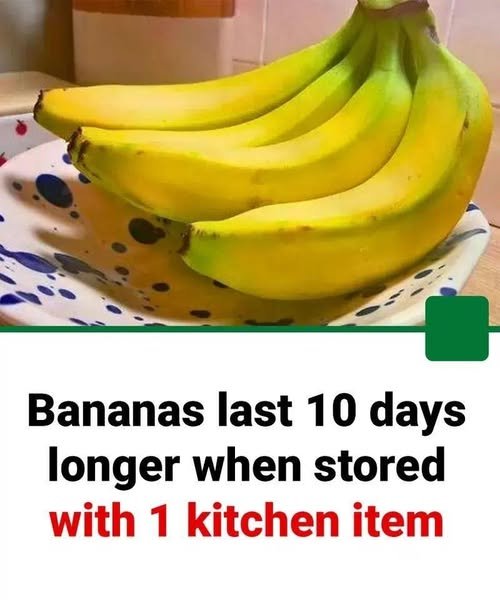
You may have seen claims that bananas can last 10 days longer when stored with one particular kitchen item. While there isn’t a magic item that guarantees an extra 10 days of freshness, plastic wrap around the banana stems can help slow ripening.
The Simple Kitchen Trick: Plastic Wrap
The stems of bananas naturally release ethylene gas, a plant hormone that promotes ripening.
Wrapping the stems with a small piece of plastic wrap can reduce the amount of ethylene escaping from the stem area and may slow the ripening process.
How to Do It
- Keep the bananas together or separate them into individual bananas.
- Tear off a small piece of plastic wrap.
- Wrap it tightly around the stem at the top of each banana.
- Replace the wrap if it becomes loose or damaged.
- Store the bananas at room temperature away from direct sunlight.
This method is inexpensive and takes less than a minute.
Does It Really Make Bananas Last 10 Days Longer?
Not necessarily.
The exact amount of extra time depends on the bananas’ starting ripeness, temperature, humidity, and storage conditions.
Plastic wrap around the stems may slow ripening, but saying it will reliably keep bananas fresh for exactly 10 additional days is an exaggeration.
Other storage methods can be just as important.
5 Ways to Keep Bananas Fresh Longer
1. Hang Your Bananas
Use a banana hanger or simply keep the bunch suspended rather than allowing it to sit directly on the countertop.
This reduces bruising and pressure points, which can cause certain areas to ripen faster.
2. Keep Them Away From Other Ripe Fruit
Apples, pears, avocados, and other ripening fruits can release ethylene gas.
Keeping bananas away from heavily ripened fruit can help slow their ripening.
3. Don’t Refrigerate Green Bananas
Unripe bananas generally ripen best at room temperature.
Once bananas have reached your preferred ripeness, refrigeration can help extend their usable life. The peel may turn dark or brown in the refrigerator, but the fruit inside can remain perfectly good.
4. Separate Them
If you don’t plan to eat the whole bunch quickly, separating individual bananas can make it easier to manage their ripening.
You can also wrap each stem individually.
5. Freeze Overripe Bananas
If your bananas are already very ripe, don’t throw them away.
Peel them, cut them into pieces, and freeze them in an airtight freezer bag or container.
Frozen bananas are excellent for:
- Smoothies
- Banana bread
- Pancakes
- Muffins
- Banana ice cream
- Oatmeal
What About Foil Instead of Plastic Wrap?
Some people use aluminum foil around banana stems.
It may provide a similar physical barrier, but plastic wrap is easier to seal tightly around the stem.
The important part is limiting exposure around the stem rather than the specific material itself.
What About Putting Bananas in the Refrigerator?
Once bananas are ripe, refrigeration can help preserve the fruit for longer.
Don’t be alarmed if the peel becomes brown or dark. Cold temperatures can cause the peel to discolor while the edible fruit remains usable.
However, refrigerated bananas may have a slightly different texture and flavor compared with freshly ripened bananas.
How to Tell If a Banana Has Gone Bad
Brown spots alone don’t mean a banana is spoiled.
A very ripe banana can still be perfectly safe and delicious.
Look for signs such as:
- Mold
- A strong fermented or rotten smell
- Excessive leaking
- Extremely mushy or liquefied flesh
- Unusual discoloration inside
If you see mold or the banana smells rotten, it’s best to discard it.
The Bottom Line
Plastic wrap around banana stems can help slow ripening, but there is no guaranteed “10-day” kitchen trick. The best approach is to keep bananas away from other ripe fruit, avoid bruising them, wrap the stems if desired, and refrigerate them once they reach your preferred ripeness.
And when they become too ripe to enjoy on their own, freeze them for smoothies or use them to make delicious banana bread instead of wasting them.