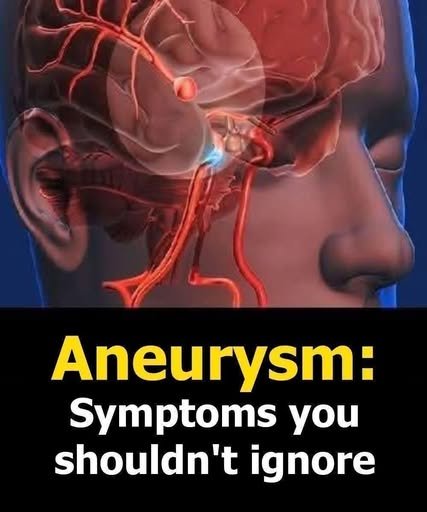
An aneurysm can develop silently, without causing any obvious symptoms. In some cases, a person may not know they have one until it is discovered during an imaging test for another reason. But if an aneurysm leaks or ruptures, the situation can become a life-threatening emergency.
An aneurysm is a weakened area in the wall of a blood vessel that causes the vessel to bulge or balloon outward. Aneurysms can occur in different parts of the body, including the brain and the aorta, the body’s largest artery.
The warning signs depend greatly on where the aneurysm is located and whether it has ruptured.
Knowing the symptoms can help you recognize when immediate medical attention is necessary.
What Is an Aneurysm?
An aneurysm is an abnormal bulge or ballooning in the wall of an artery.
Think of an artery as a flexible tube carrying blood through the body. If one section of the vessel wall becomes weakened, pressure from the blood flowing through it can cause that area to bulge.
Some aneurysms remain small and never cause symptoms. Others can enlarge, press against nearby tissues, leak, or rupture.
A ruptured aneurysm can cause severe internal bleeding and requires emergency medical treatment.
1. A Sudden, Extremely Severe Headache
One of the most important warning signs of a ruptured brain aneurysm is a sudden, extremely severe headache.
People often describe it as:
“The worst headache of my life.”
The important feature is not simply that the headache is painful. It can appear suddenly and reach severe intensity very quickly.
A ruptured brain aneurysm can cause bleeding around the brain, known as a subarachnoid hemorrhage. This is a medical emergency.
A sudden, severe headache—especially one that is completely different from your usual headaches—should not be ignored.
2. Nausea and Vomiting
A ruptured brain aneurysm may cause nausea and vomiting along with the sudden severe headache.
These symptoms can sometimes be mistaken for migraine, food poisoning, or another less serious condition.
The combination of sudden severe headache plus nausea or vomiting deserves urgent medical attention, particularly if other neurological symptoms occur.
3. Stiff Neck or Neck Pain
Bleeding around the brain can cause neck stiffness or neck pain.
If a sudden severe headache is accompanied by a stiff neck, vomiting, vision changes, confusion, seizure, or loss of consciousness, emergency evaluation is necessary.
Don’t assume that severe neck stiffness with a sudden unusual headache is simply a muscle problem.
4. Changes in Vision
An unruptured brain aneurysm can sometimes press against nearby nerves or brain structures.
Possible symptoms include:
- Blurred vision
- Double vision
- Pain around or behind one eye
- A dilated pupil
- Changes affecting one side of the face
These symptoms don’t automatically mean that someone has an aneurysm because many other conditions can cause them. However, new or unexplained neurological or visual symptoms deserve medical evaluation.
5. Seizure
A seizure can occur when a brain aneurysm ruptures or when certain brain structures are affected.
A first-time seizure is always something that requires urgent medical assessment.
If a seizure occurs together with a sudden severe headache, loss of consciousness, confusion, or other neurological symptoms, treat it as an emergency.
6. Confusion or Loss of Consciousness
A ruptured brain aneurysm can cause serious bleeding and increased pressure around the brain.
Possible symptoms include:
- Confusion
- Extreme drowsiness
- Loss of consciousness
- Difficulty responding
- Seizures
These symptoms require emergency medical care.
7. Sudden Severe Chest, Back, or Abdominal Pain
Aneurysms can also occur in the aorta.
An aortic aneurysm may not cause symptoms until it becomes large or begins causing complications. If an aortic aneurysm ruptures, symptoms can include sudden, severe pain in the chest, back, or abdominal area. Light-headedness and a rapid heart rate can also occur.
Sudden severe pain of this type should never be ignored.
8. A Pulsating Feeling in the Abdomen
An abdominal aortic aneurysm can sometimes cause a noticeable pulsating or throbbing sensation in the stomach area.
Other possible symptoms include abdominal, back, or other pain depending on the location and size of the aneurysm.
However, a pulsating feeling does not automatically mean that an aneurysm is present. A healthcare professional may need imaging to determine the cause.
9. Difficulty Breathing or Swallowing
Some aortic aneurysms can press against nearby structures.
Depending on their location, they may cause:
- Difficulty breathing
- Painful swallowing
- Difficulty swallowing
- Hoarseness
- Shortness of breath
These symptoms can have many other causes, so they are not specific to aneurysms. But persistent or unexplained symptoms should be evaluated by a healthcare professional.
Brain Aneurysm vs. Aortic Aneurysm
Although both involve a weakened artery wall, the symptoms can be very different.
Brain aneurysm
An unruptured brain aneurysm may cause no symptoms.
If it becomes large or presses against nearby structures, it may cause:
- Pain around or behind an eye
- Vision changes
- A dilated pupil
- Facial numbness
- Seizures
If it ruptures, a sudden, extremely severe headache is the classic warning sign.
Aortic aneurysm
An aortic aneurysm may also remain silent.
Depending on its location, symptoms can include:
- Chest pain
- Back pain
- Abdominal pain
- A pulsating sensation in the abdomen
- Shortness of breath
- Difficulty swallowing
- Hoarseness
A rupture can cause sudden severe pain, light-headedness, and a rapid heart rate.
Why Some Aneurysms Are Difficult to Detect
One of the biggest challenges with aneurysms is that many cause no symptoms at all.
A person can have an aneurysm without experiencing pain or obvious warning signs.
Some are discovered incidentally when imaging is performed for another medical reason.
This is why symptoms alone cannot reliably determine whether someone has an aneurysm. Doctors may use imaging studies such as CT scans, CT angiography, MRI/MR angiography, or ultrasound depending on the suspected location.
When Is an Aneurysm an Emergency?
Seek emergency medical care immediately for symptoms such as:
- A sudden, extremely severe headache
- Sudden severe chest, back, or abdominal pain
- Loss of consciousness
- A seizure
- Severe confusion
- Sudden vision changes accompanied by other neurological symptoms
- Severe headache with vomiting or stiff neck
- Sudden light-headedness or collapse, particularly with severe pain
A ruptured aneurysm can cause life-threatening bleeding, and rapid treatment is critical.
If these symptoms are happening now, do not wait for them to improve and do not attempt to diagnose the cause at home. Contact your local emergency medical service or go to the nearest emergency department immediately.
Who May Have a Higher Risk?
Risk factors depend on the type of aneurysm.
For brain aneurysms, recognized risk factors include:
- Smoking
- High blood pressure
- A family history of brain aneurysm
- Certain inherited connective-tissue disorders
- Polycystic kidney disease
- Certain blood-vessel abnormalities
Smoking and uncontrolled high blood pressure are particularly important modifiable risk factors.
A family history can also matter. People with certain family histories may need to discuss screening with their healthcare professional.
Can Aneurysms Be Prevented?
Not every aneurysm can be prevented.
However, some measures can reduce important risk factors, particularly for vascular disease.
Don’t Smoke
Smoking is a major risk factor associated with brain aneurysm formation and rupture. If you smoke, quitting can significantly benefit your overall cardiovascular health.
Manage Blood Pressure
High blood pressure can place additional stress on artery walls.
If you have hypertension, work with your healthcare professional on an appropriate treatment plan.
Avoid Excessive Alcohol
Heavy alcohol use can raise blood pressure and is associated with increased aneurysm risk.
Don’t Ignore Family History
If close family members have had brain aneurysms or certain hemorrhagic strokes, tell your healthcare professional.
In some people with significant family history or inherited conditions, screening may be considered.
What Happens If an Aneurysm Is Found?
Finding an aneurysm does not automatically mean that it needs immediate surgery.
For an unruptured aneurysm, doctors consider factors such as:
- Size
- Location
- Shape
- Growth over time
- Symptoms
- Family history
- Other health conditions
- Overall risk of treatment
Some aneurysms may be monitored with regular imaging, while others may require a procedure.
Treatment decisions are individualized and should be made with an appropriate medical specialist.
Don’t Rely on Home Remedies
There is no food, drink, supplement, or home remedy that can reliably repair an aneurysm or prevent a ruptured aneurysm once it has become a medical concern.
A healthy diet and lifestyle can support cardiovascular health, but they should not replace medical evaluation or treatment.
If an aneurysm has been diagnosed, follow the monitoring and treatment plan provided by your healthcare team.
Frequently Asked Questions
Can an aneurysm have no symptoms?
Yes. Many aneurysms cause no symptoms and may be discovered incidentally during imaging.
Is a sudden severe headache always an aneurysm?
No. Many conditions can cause severe headaches. However, a sudden headache that becomes extremely severe very quickly—especially if it is unlike previous headaches—is an emergency symptom because it can occur with a ruptured brain aneurysm or other serious conditions.
Can high blood pressure cause an aneurysm?
High blood pressure is an important risk factor for aneurysm formation and rupture, particularly for brain aneurysms. Managing blood pressure is an important part of cardiovascular health.
Can an aneurysm go away on its own?
An aneurysm should not be assumed to disappear without medical monitoring. Whether it requires observation, medication for associated risk factors, or a procedure depends on its location and individual characteristics.
What is the most important aneurysm warning sign?
For a ruptured brain aneurysm, the classic warning sign is a sudden, extremely severe headache. For a ruptured aortic aneurysm, sudden severe chest, back, or abdominal pain can occur. Both situations require emergency medical care.
Final Thoughts
An aneurysm can remain completely silent, which is why knowing the warning signs of a possible rupture is so important.
A sudden, extremely severe headache, especially one unlike anything you’ve experienced before, should never be dismissed. Likewise, sudden severe chest, back, or abdominal pain can signal a serious aortic problem.
Most importantly, don’t wait for symptoms to become unbearable before seeking help. A ruptured aneurysm is a medical emergency, and rapid evaluation and treatment can be critical.
SEO Title
Aneurysm: Signs You Shouldn’t Ignore and When to Seek Help
Meta Description
Learn the warning signs of brain and aortic aneurysms, including sudden severe headache, chest or abdominal pain, vision changes, seizures, and loss of consciousness.
Focus Keyphrase
aneurysm signs you shouldn’t ignore
Suggested Slug
aneurysm-signs-you-shouldnt-ignore