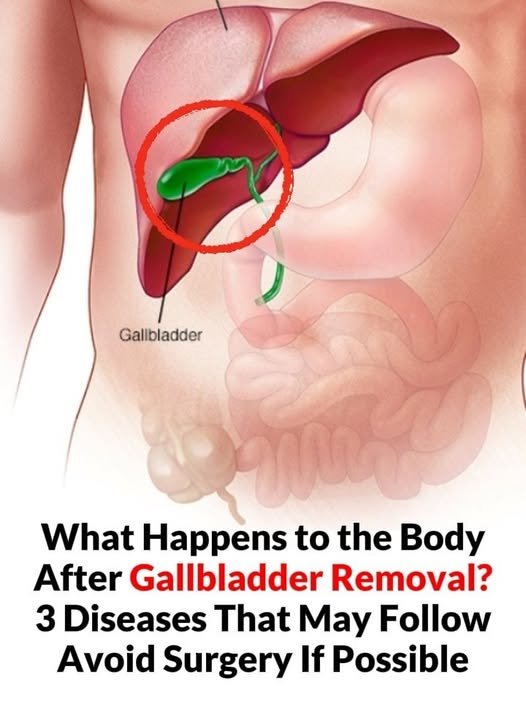
Gallbladder removal, medically called cholecystectomy, is a common operation used to treat problems such as painful gallstones, repeated gallbladder inflammation, or complications caused by blocked bile ducts.
Most people recover well and can live normally without a gallbladder. However, some people experience digestive changes after surgery. Understanding these possibilities can help you know what to expect and when to speak with your doctor.
1. Changes in Bowel Habits
One of the more common changes after gallbladder removal is a change in bowel movements.
Because the gallbladder normally stores and concentrates bile between meals, removing it means bile flows more continuously from the liver into the intestine. For some people, this can contribute to looser or more frequent stools, particularly after eating fatty foods.
For many people, these symptoms are temporary and improve as the digestive system adjusts.
If diarrhea persists, becomes severe, or interferes with daily life, talk with a healthcare professional. Treatment may be available depending on the underlying cause.
2. Difficulty Tolerating Fatty Foods
Some people notice that greasy or high-fat meals are harder to tolerate after surgery.
Foods such as fried meals, very fatty meats, rich sauces, and large amounts of butter may trigger symptoms such as:
- Bloating
- Abdominal discomfort
- Urgency to use the bathroom
- Loose stools
- Indigestion
This doesn’t mean you have to permanently avoid all fat. Many people gradually return to a normal diet as their body adjusts.
Eating smaller meals and introducing richer foods gradually may make the transition easier.
3. Persistent Abdominal or Digestive Symptoms
A small number of people continue to experience abdominal pain, indigestion, nausea, bloating, or diarrhea after gallbladder removal.
These symptoms are sometimes referred to broadly as post-cholecystectomy symptoms. They don’t necessarily mean the surgery caused a new disease. Other conditions—including acid reflux, irritable bowel syndrome, retained bile-duct stones, or other gastrointestinal problems—can produce similar symptoms.
Persistent or unexplained symptoms should therefore be evaluated rather than automatically attributed to the surgery.
Does Everyone Need to Avoid Gallbladder Removal?
No.
Gallbladder removal can be an important and sometimes urgent treatment for certain conditions. For example, surgery may be recommended for symptomatic gallstones, acute or recurrent gallbladder inflammation, or other complications.
The decision should depend on the individual’s diagnosis, symptoms, risks, and overall health.
If gallstones are discovered incidentally and aren’t causing symptoms, surgery may not always be necessary. That’s different from telling everyone with gallbladder disease to avoid surgery.
What Can Help After Surgery?
After gallbladder removal, many people can eventually return to their usual diet.
During recovery, it may help to:
- Eat smaller meals more frequently.
- Introduce fatty foods gradually.
- Choose lean proteins and plenty of vegetables.
- Stay adequately hydrated.
- Keep a food diary if particular foods trigger symptoms.
- Follow your surgeon’s specific recovery instructions.
When Should You Seek Medical Attention?
Contact your healthcare professional if symptoms are persistent or worsening.
Seek urgent medical attention for severe or increasing abdominal pain, fever, persistent vomiting, yellowing of the skin or eyes, dark urine, pale stools, or other concerning symptoms after surgery.
The Bottom Line
Gallbladder removal is generally well tolerated, and most people can live normally without a gallbladder. Some people experience temporary or persistent digestive changes, particularly involving bowel habits and tolerance of fatty foods.
Rather than avoiding surgery whenever possible, the safer approach is to determine whether surgery is actually indicated in your particular situation and discuss its potential benefits and risks with a qualified healthcare professional.