A Woman’s Legs Can Reveal More About Her Health Than You Might Think
Meta Description: Discover what a woman’s legs may reveal about circulation, muscle strength, skin health, swelling, and overall wellness—and which changes should never be ignored.
A Woman’s Legs Can Tell You More About Her Health Than You Realize
Legs do much more than carry us through the day. They contain some of the body’s largest muscles, countless blood vessels and nerves, and they play an important role in circulation, balance, mobility, and physical strength.
That’s why changes in the appearance, sensation, or function of the legs can sometimes provide clues about overall health.
However, it’s important to separate medical facts from popular internet claims. The shape, size, or appearance of a woman’s legs cannot reliably tell you her personality, sexual history, fertility, or other private characteristics.
What they can sometimes reveal are useful clues about physical health.
1. Strong Legs Can Reflect Muscle Health
The thighs and calves contain some of the body’s largest muscle groups.
Regular activities such as walking, climbing stairs, cycling, squats, and resistance training can help maintain leg strength.
Strong leg muscles contribute to:
- Better balance
- Easier movement
- Improved stability
- Greater physical independence
- Reduced risk of falls as we age
A gradual loss of muscle, particularly when accompanied by weakness or difficulty getting up from a chair, may deserve attention.
2. Swollen Legs Can Have Many Causes
Swelling around the ankles, feet, or lower legs is common and can sometimes occur after standing or sitting for long periods.
It can also be associated with:
- Excessive salt intake
- Pregnancy
- Certain medications
- Vein problems
- Injury
- Kidney problems
- Heart problems
- Liver problems
The important thing is how the swelling behaves.
Swelling that repeatedly occurs, becomes severe, or has no obvious explanation should be evaluated by a healthcare professional.
3. Visible Veins May Offer Circulation Clues
Some people naturally have prominent veins, especially if they have relatively little body fat or exercise regularly.
However, bulging, twisted veins can sometimes indicate varicose veins.
Varicose veins may cause:
- Aching
- Heaviness
- Burning
- Itching
- Swelling
- Leg fatigue
They aren’t always dangerous, but persistent or painful symptoms are worth discussing with a doctor.
4. Skin Color Changes Shouldn’t Be Ignored
The skin on the legs can sometimes change color for several reasons.
For example, persistent reddish, brownish, bluish, or unusually pale skin may be associated with circulation problems or other conditions.
A sudden change in color, particularly when accompanied by pain, swelling, coldness, or numbness, requires prompt medical attention.
5. Cold Feet Aren’t Always Just About the Weather
Cold feet can simply be caused by a cold environment.
But if one or both feet are consistently cold despite being in a warm environment—especially alongside numbness, pain, color changes, or slow-healing wounds—circulation should be considered.
Smoking, diabetes, and certain vascular conditions can affect blood flow to the legs and feet.
6. Leg Cramps Can Have Several Causes
A sudden painful tightening of a calf or thigh muscle can happen after exercise or prolonged activity.
Other possible contributors include:
- Dehydration
- Muscle fatigue
- Certain medications
- Prolonged sitting
- Pregnancy
- Electrolyte disturbances
Frequent, severe, or unexplained cramps should be discussed with a healthcare professional rather than automatically assuming they’re caused by a vitamin or mineral deficiency.
7. Numbness or Tingling Can Point to Nerve Problems
Pins-and-needles sensations in the legs can occur temporarily when you sit in an awkward position.
Persistent or recurring numbness, however, may be associated with nerve compression, diabetes, vitamin deficiencies, spinal problems, or other neurological conditions.
Pay particular attention if numbness is accompanied by:
- Weakness
- Loss of balance
- Severe pain
- Difficulty walking
- Loss of bladder or bowel control
These symptoms require medical assessment.
8. Leg Wounds That Heal Slowly Matter
A small cut or blister that takes unusually long to heal can sometimes indicate an underlying problem.
Poor circulation and diabetes, for example, can interfere with normal wound healing.
Don’t ignore a wound that becomes increasingly:
- Red
- Warm
- Swollen
- Painful
- Draining
- Slow to heal
9. One Leg Suddenly Swelling Is Different
One of the most important warning signs is sudden swelling in one leg, particularly when accompanied by pain, warmth, tenderness, or redness.
This can sometimes be a sign of a deep vein thrombosis (DVT), which requires prompt medical evaluation.
If leg swelling occurs together with sudden chest pain, difficulty breathing, coughing up blood, or fainting, seek emergency medical care immediately because a blood clot can travel to the lungs.
10. Changes During Pregnancy Are Common
Pregnancy can cause significant changes in the legs.
Hormonal changes and increased pressure on blood vessels can contribute to:
- Swollen ankles
- Varicose veins
- Leg heaviness
- Muscle cramps
Mild swelling can be common, particularly later in pregnancy. However, sudden or severe swelling, especially with headache, vision changes, abdominal pain, or high blood pressure, should be assessed urgently.
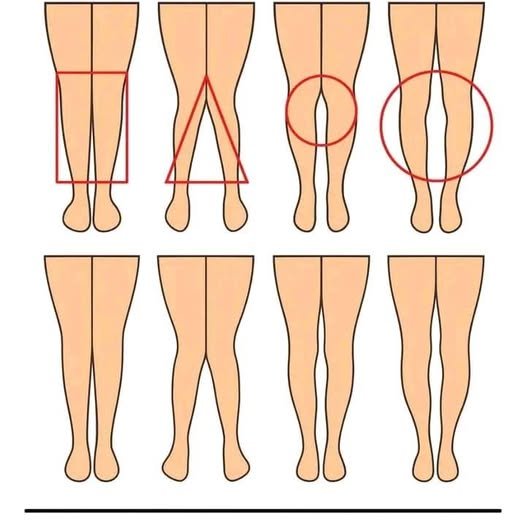
11. Leg Shape Doesn’t Tell You Everything
It’s common to see claims online suggesting that the shape of a woman’s thighs, calves, knees, or ankles can reveal her hormones, fertility, sexual behavior, or personality.
These claims are generally not medically reliable.
Body shape is influenced by many factors, including:
- Genetics
- Bone structure
- Muscle mass
- Body-fat distribution
- Age
- Physical activity
- Hormonal changes
- Overall nutrition
There isn’t a reliable visual test that can determine someone’s private characteristics simply by looking at her legs.
What Healthy Legs Generally Need
Keeping your legs healthy doesn’t require an extreme exercise routine.
Simple habits can make a difference:
Stay Active
Regular walking and strength exercises help maintain circulation, muscle strength, and mobility.
Avoid Sitting for Extremely Long Periods
If you work at a desk, get up periodically and move your legs.
Maintain a Balanced Diet
Adequate protein, fruits, vegetables, whole grains, and healthy fats support overall health.
Stay Hydrated
Adequate fluid intake can support normal bodily functions, although excessive water isn’t necessary for most healthy people.
Don’t Smoke
Smoking can significantly damage blood vessels and increase cardiovascular risk.
Look After Your Feet
Check your feet and legs regularly, particularly if you have diabetes or circulation problems.
When Should You See a Doctor?
Make an appointment if you notice persistent or unexplained:
- Leg swelling
- Pain
- Numbness
- Tingling
- Weakness
- Skin discoloration
- Recurrent cramps
- Varicose veins with significant symptoms
- Slow-healing wounds
Seek Urgent Medical Attention For
- Sudden swelling and pain in one leg
- A leg that becomes suddenly cold or pale
- Severe unexplained leg pain
- New weakness or inability to walk
- Leg symptoms accompanied by chest pain or breathing difficulty
The Bottom Line
A woman’s legs can indeed provide useful clues about her physical health, particularly when it comes to muscle strength, circulation, nerves, swelling, and skin changes.
But don’t judge health based solely on appearance. Healthy legs come in many different shapes and sizes, and an unusual-looking leg isn’t necessarily unhealthy.
The most meaningful clues are changes in how the legs feel, function, and behave over time—especially when those changes are sudden, persistent, or accompanied by pain or weakness.