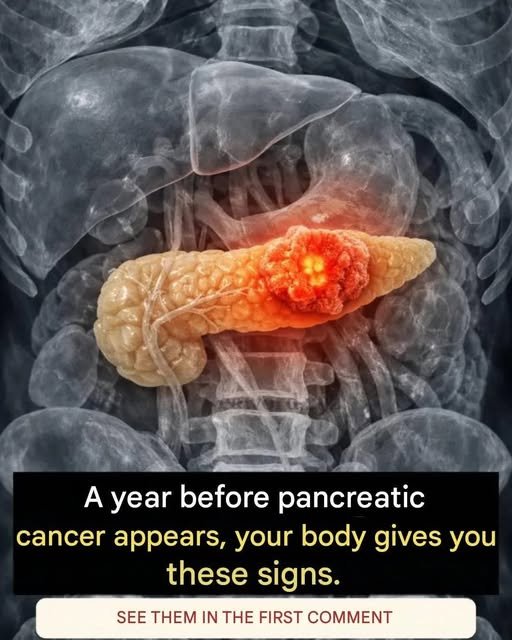
One of the biggest challenges is that pancreatic cancer may not cause noticeable symptoms during its early stages. When symptoms do appear, they can resemble ordinary health problems such as indigestion, back pain, fatigue, or unexplained weight loss.
Recognizing unusual changes in your body and seeking medical attention when symptoms persist can help identify potential problems earlier.
Here are some important warning signs of pancreatic cancer that should not be ignored.
1. Unexplained Weight Loss
Losing weight without changing your diet or exercise routine can sometimes indicate an underlying health problem.
Pancreatic cancer may affect digestion, appetite, and the body’s ability to absorb nutrients. Some people experience noticeable weight loss even when they are not intentionally trying to lose weight.
Unexplained weight loss is not specific to pancreatic cancer, but persistent changes deserve medical evaluation.
2. Persistent Abdominal Pain
Pain in the upper abdomen is another possible warning sign.
Some people describe the discomfort as a dull ache or pressure in the middle or upper abdomen. The pain may sometimes extend toward the back.
It can become more noticeable after eating or when lying down.
Although digestive disorders are much more common causes, persistent or worsening abdominal pain should be evaluated.
3. Pain in the Back
Pancreatic tumors can sometimes press against nearby nerves, causing pain that spreads from the abdomen into the back.
This discomfort may feel like a persistent ache rather than ordinary muscle soreness.
Back pain alone is rarely a reliable indicator of pancreatic cancer. However, unexplained back pain accompanied by weight loss, abdominal discomfort, or jaundice requires medical attention.
4. Yellowing of the Skin and Eyes
Jaundice is an important warning sign that can occur when a pancreatic tumor blocks the bile duct.
You may notice:
-
Yellowing of the skin.
-
Yellowing of the whites of the eyes.
-
Dark-colored urine.
-
Pale or clay-colored stools.
-
Itchy skin.
Jaundice can develop without significant abdominal pain. New or unexplained jaundice requires urgent medical assessment.
5. Changes in Stool Appearance
The pancreas produces enzymes that help the body digest food, particularly fats.
When pancreatic function or bile flow is affected, stools may become:
-
Pale or unusually light-colored.
-
Greasy or oily.
-
Difficult to flush.
-
Particularly foul-smelling.
These changes can indicate problems with fat digestion and absorption. Persistent changes should be discussed with a healthcare professional.
6. Loss of Appetite
A noticeable reduction in appetite may occur in people with pancreatic cancer.
Some individuals feel full after eating only a small amount, while others experience nausea or a general lack of interest in food.
When appetite changes occur alongside unexplained weight loss or abdominal discomfort, medical evaluation is important.
7. New-Onset Diabetes
The pancreas produces insulin, which helps regulate blood sugar levels.
Pancreatic cancer can interfere with insulin production and contribute to the development of diabetes in some people.
An important warning sign is developing diabetes unexpectedly, particularly after age 50, without obvious risk factors.
However, most people who develop diabetes do not have pancreatic cancer. New-onset diabetes alone does not mean someone has cancer.
8. Persistent Nausea and Vomiting
Some people with pancreatic cancer experience nausea, vomiting, or discomfort after eating.
A tumor may sometimes interfere with the normal movement of food through the digestive system.
Persistent vomiting, difficulty keeping food down, or worsening digestive symptoms should be medically assessed.
9. Unusual Fatigue and Weakness
Feeling unusually tired despite getting enough sleep can accompany many illnesses, including cancer.
Pancreatic cancer may contribute to fatigue through inflammation, nutritional deficiencies, poor food absorption, and changes in metabolism.
Fatigue alone is not a specific warning sign, but unexplained and persistent exhaustion should not be dismissed.
10. Blood Clots Without an Obvious Cause
Pancreatic cancer is associated with an increased risk of blood clots.
A clot may develop in a deep vein, often in the leg, causing:
-
Swelling in one leg.
-
Pain or tenderness.
-
Redness or warmth.
-
Sudden unexplained discomfort.
A blood clot can be a medical emergency. Sudden shortness of breath or chest pain may indicate a clot in the lungs and requires immediate emergency care.
Who Is at Higher Risk of Pancreatic Cancer?
Although pancreatic cancer can affect anyone, certain factors are associated with an increased risk.
These include:
-
Older age, particularly after 65.
-
Smoking and tobacco use.
-
Family history of pancreatic cancer.
-
Certain inherited genetic conditions.
-
Chronic pancreatitis.
-
Obesity.
-
Long-standing diabetes.
Having one or more risk factors does not mean someone will develop pancreatic cancer.
When Should You See a Doctor?
Do not wait for multiple symptoms to appear before seeking medical attention.
Arrange a medical assessment if you experience persistent unexplained abdominal or back pain, unexpected weight loss, appetite changes, or new digestive problems.
Seek urgent medical attention if you develop yellow skin or eyes, particularly with dark urine or pale stools.
Doctors may recommend blood tests, imaging studies such as an abdominal CT scan or MRI, and sometimes an endoscopic ultrasound or biopsy, depending on the symptoms and examination findings.
There is currently no recommended routine screening test for pancreatic cancer in the general population. Screening may be considered for certain people with inherited genetic risks or a strong family history under specialist guidance.
Can Pancreatic Cancer Be Prevented?
Not every case can be prevented, but certain lifestyle choices may help reduce risk.
-
Avoid smoking and tobacco products.
-
Maintain a healthy body weight.
-
Eat a balanced diet rich in vegetables, fruits, and whole grains.
-
Limit processed meat and excessive alcohol consumption.
-
Stay physically active.
-
Manage diabetes and chronic health conditions with medical guidance.
These habits support overall health, although they cannot guarantee protection against cancer.
Final Thoughts
Pancreatic cancer can be difficult to recognize because its early symptoms often resemble common digestive or general health problems. Unexplained weight loss, persistent abdominal or back pain, jaundice, changes in stool, and newly developed diabetes are among the symptoms worth discussing with a healthcare professional.
Remember that experiencing one of these symptoms does not automatically mean you have pancreatic cancer. Many more common conditions can cause similar problems.
The important thing is not to ignore persistent, unexplained changes in your health. Early medical evaluation can help identify the cause and ensure that appropriate treatment is started when necessary.
SEO Details
SEO Title: Early Signs of Pancreatic Cancer: 10 Silent Symptoms You Should Never Ignore
Focus Keyword: Early Signs of Pancreatic Cancer
Meta Description: Discover 10 early signs of pancreatic cancer, including unexplained weight loss, back pain, jaundice, digestive changes, and new-onset diabetes.
URL Slug: early-signs-of-pancreatic-cancer
Tags: Pancreatic Cancer, Early Cancer Symptoms, Cancer Warning Signs, Pancreatic Health, Digestive Health, Cancer Awareness, Health Tips