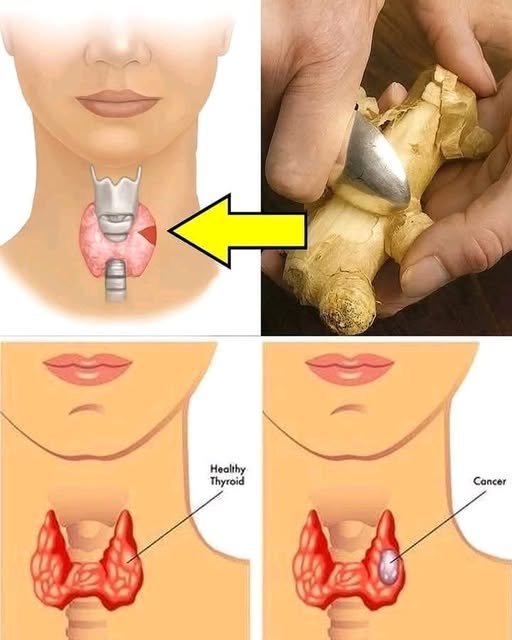
When the thyroid does not produce enough hormones or becomes overactive, it can affect many aspects of daily life. Diet can also influence thyroid health, particularly when certain foods interfere with medication absorption or iodine balance.
If you have hypothyroidism, hyperthyroidism, Hashimoto’s disease, or another thyroid condition, understanding how different foods affect your body can help you make better dietary choices.
However, not every food on this list needs to be completely eliminated. The right approach depends on your specific thyroid condition, medication, and nutritional needs.
19 Foods to Avoid or Limit with Thyroid Problems
1. Soy Products
Soybeans, tofu, soy milk, and edamame contain compounds called isoflavones. These may interfere with thyroid hormone production in people with insufficient iodine intake.
Soy does not need to be completely avoided by everyone with thyroid disease. However, people taking levothyroxine should avoid consuming soy close to their medication because it may reduce absorption.
2. Excessive Raw Cabbage
Cabbage belongs to the cruciferous vegetable family and contains compounds that can interfere with iodine utilization when consumed in very large quantities.
For most people, normal servings of cooked cabbage are perfectly safe. Cooking reduces the activity of some of these compounds.
3. Broccoli
Broccoli is rich in fiber, vitamins, and antioxidants. However, consuming extremely large quantities of raw broccoli may affect thyroid function in people with inadequate iodine intake.
You generally do not need to eliminate broccoli. Enjoying moderate portions, especially cooked, is a sensible approach.
4. Cauliflower
Cauliflower contains naturally occurring goitrogenic compounds that can interfere with iodine utilization under certain circumstances.
People with thyroid conditions can generally enjoy cooked cauliflower as part of a balanced diet.
5. Brussels Sprouts
Brussels sprouts contain compounds similar to those found in cabbage and broccoli.
Eating ordinary portions is unlikely to cause thyroid problems in people with adequate iodine intake. Cooking them is another simple way to reduce their goitrogenic activity.
6. Millet
Millet is a nutritious grain, but certain compounds in it may interfere with thyroid hormone production when consumed in large amounts, particularly in populations with iodine deficiency.
If you regularly eat millet, maintain adequate iodine intake and vary your grain choices.
7. Highly Processed Foods
Packaged snacks, processed meats, instant noodles, and fast food often contain excessive sodium, unhealthy fats, and added sugars.
They do not directly cause thyroid disease, but regularly consuming them can make it harder to maintain a healthy weight and balanced diet.
8. Sugary Drinks
Sodas, sweetened juices, energy drinks, and other sugary beverages provide large amounts of added sugar.
People with hypothyroidism may already struggle with weight management, making excessive sugar consumption an unnecessary dietary burden.
Choose water, unsweetened tea, or naturally flavored water instead.
9. Excessive Alcohol
Alcohol can affect several body systems, including the liver and immune system. Heavy drinking may also complicate the management of certain thyroid conditions.
Limiting alcohol is generally a healthier choice, particularly if you have an existing medical condition or take thyroid medication.
10. Excessive Coffee
Coffee itself is not necessarily harmful to the thyroid. However, drinking coffee too soon after taking levothyroxine can interfere with medication absorption.
A common recommendation is to wait at least 60 minutes after taking the medication before drinking coffee.
11. Gluten-Containing Foods
Wheat, barley, and rye contain gluten.
People with Hashimoto’s disease have a higher likelihood of also having celiac disease, an autoimmune condition triggered by gluten.
However, gluten-free diets are not necessary for everyone with thyroid problems. People diagnosed with celiac disease must avoid gluten.
12. Excessive Iodized Salt
Iodine is essential for producing thyroid hormones, but too much iodine can also cause problems.
Excessive iodine intake may worsen certain thyroid conditions, including Hashimoto’s disease and some forms of hyperthyroidism.
Use iodized salt in moderate amounts rather than taking unnecessary iodine supplements.
13. Seaweed and Kelp
Seaweed, kelp, and other marine vegetables can contain extremely high and unpredictable amounts of iodine.
Regularly consuming large amounts may disrupt thyroid function, especially in people with existing thyroid disorders.
14. Fatty and Fried Foods
Deep-fried foods, fast-food meals, and products high in saturated fats should be limited as part of a healthy eating pattern.
They are not direct causes of thyroid disease, but excessive consumption may contribute to weight gain and cardiovascular problems.
15. Sugary Breakfast Cereals
Many commercial breakfast cereals contain significant amounts of added sugar and refined carbohydrates.
A better breakfast choice includes eggs, oatmeal, plain yogurt, or fresh fruit, depending on your dietary requirements.
16. Excessive High-Fiber Foods Around Medication Time
Whole grains, beans, lentils, and vegetables are important sources of fiber.
However, suddenly increasing fiber intake or consuming high-fiber foods too close to levothyroxine may affect how well the medication is absorbed.
You do not need to avoid fiber. Instead, take thyroid medication consistently and discuss any major dietary changes with your healthcare provider.
17. Calcium-Rich Foods Around Medication Time
Milk, cheese, yogurt, and calcium-fortified products are valuable sources of nutrients.
However, calcium can interfere with levothyroxine absorption when consumed too close to the medication.
Calcium supplements and calcium-containing products should generally be separated from levothyroxine by at least four hours, following your clinician’s instructions.
18. Iron-Rich Supplements and Fortified Products
Iron is essential for healthy blood production, but iron supplements can interfere with thyroid medication absorption.
If you take levothyroxine, iron supplements should generally be taken at least four hours apart.
Do not eliminate iron-rich foods such as meat, beans, and spinach without a medical reason.
19. Excessive Brazil Nuts
Brazil nuts contain selenium, a mineral involved in thyroid hormone metabolism.
Although selenium is important for normal thyroid function, Brazil nuts can contain very high and variable amounts. Eating large quantities regularly may lead to excessive selenium intake.
Avoid relying on large servings of Brazil nuts or high-dose selenium supplements to treat thyroid problems.
Foods That May Support Thyroid Health
Instead of focusing only on foods to avoid, include a variety of nutrient-rich foods in your daily diet.
Some beneficial options include:
-
Eggs: Provide protein, iodine, and selenium.
-
Fish: Provides protein, iodine, and other important nutrients.
-
Pumpkin seeds: Supply zinc and magnesium.
-
Dairy products: Provide calcium, iodine, and protein.
-
Leafy green vegetables: Supply vitamins, minerals, and fiber.
-
Berries: Contain antioxidants and vitamin C.
-
Lentils and beans: Provide plant-based protein, iron, and fiber.
A balanced diet supports general health, but no individual food can cure hypothyroidism or hyperthyroidism.
Important Medication Tips for People with Thyroid Problems
If you take levothyroxine for an underactive thyroid, how and when you take your medication matters.
-
Take it consistently on an empty stomach with plain water.
-
Wait 30–60 minutes before eating breakfast.
-
Wait at least 60 minutes before drinking coffee.
-
Separate calcium and iron supplements by at least four hours.
-
Avoid changing your iodine or supplement intake without medical advice.
-
Have your thyroid hormone levels monitored as recommended by your doctor.
People with hyperthyroidism may have different nutritional requirements, so dietary recommendations should be based on their specific diagnosis.
Final Thoughts
Managing thyroid problems involves more than simply avoiding certain foods. While soy, excessive iodine, seaweed, and some medication-related food interactions deserve attention, many commonly restricted foods are perfectly safe in normal portions.
The most important factors are maintaining a balanced diet, getting adequate nutrients, taking prescribed medication correctly, and monitoring thyroid hormone levels.
If you have a thyroid condition, speak with your healthcare provider before making major dietary changes or starting supplements. A personalized approach is usually more effective than following a long list of food restrictions.
SEO Details
SEO Title: 19 Foods to Avoid with Thyroid Problems: What You Should Know
Focus Keyword: Foods to Avoid with Thyroid Problems
Meta Description: Discover 19 foods to avoid or limit with thyroid problems, including soy, seaweed, processed foods, and foods that interfere with thyroid medication.
URL Slug: foods-to-avoid-with-thyroid-problems
Tags: Thyroid Health, Hypothyroidism Diet, Hyperthyroidism, Hashimoto’s Disease, Thyroid-Friendly Foods, Healthy Eating, Hormonal Health