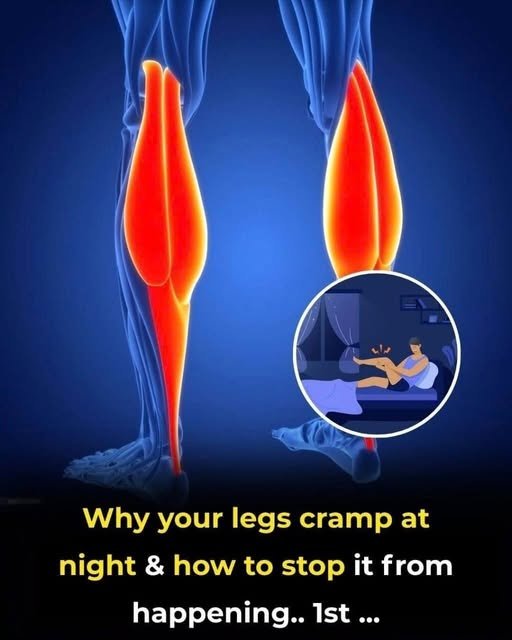
Waking up suddenly in the middle of the night with a painful leg cramp can be an unpleasant experience. One moment you are sleeping peacefully, and the next, your calf or foot tightens painfully, making it difficult to move. Sometimes the pain disappears within seconds, while other times your muscles remain sore for hours.
These episodes are commonly known as nocturnal leg cramps. They involve sudden, involuntary muscle contractions that often affect the calf, feet, or thighs during sleep or while resting in bed.
Although occasional nighttime cramps are usually harmless, frequent episodes can interfere with sleep and may sometimes be associated with medications or underlying health conditions.
Understanding the common reasons behind nighttime leg cramps can help you manage them more effectively.
1. Muscle Fatigue During the Day
One common reason for nighttime leg cramps is muscle fatigue.
Standing for long periods, walking extensively, climbing stairs, exercising intensely, or performing physically demanding work can put extra stress on the leg muscles.
When muscles become tired, they may be more likely to develop involuntary contractions, particularly during periods of rest.
What may help: Avoid suddenly increasing your exercise intensity. Stretch your calves gently after physical activity, wear comfortable footwear, and allow your muscles enough time to recover.
2. Dehydration
Your muscles need an appropriate balance of water and electrolytes to function normally.
When you lose more fluid than you replace, dehydration can affect normal muscle function. This may contribute to cramping, especially after heavy sweating, exercise, vomiting, or diarrhea.
However, dehydration is not the explanation for every nighttime leg cramp.
What may help: Drink water regularly throughout the day. Increase fluid intake when exercising or spending time in hot weather, unless a healthcare professional has advised you to restrict fluids.
3. Electrolyte Imbalances
Electrolytes are minerals that help regulate muscle contraction, nerve signals, and fluid balance.
Important electrolytes include:
-
Potassium: Supports normal muscle and nerve function.
-
Magnesium: Helps regulate muscle and nerve activity.
-
Calcium: Plays an important role in muscle contraction.
-
Sodium: Helps maintain fluid balance and nerve signaling.
Low levels of certain electrolytes can contribute to muscle cramps. However, taking supplements without knowing your mineral levels is not recommended.
What may help: Include a variety of nutrient-rich foods, such as bananas, leafy green vegetables, beans, yogurt, nuts, seeds, and whole grains.
People with kidney disease should be particularly careful with potassium and magnesium supplements because excessive amounts can be harmful.
4. Sitting or Standing for Too Long
Spending several hours sitting at a desk or standing in one position can leave your leg muscles feeling tight and uncomfortable.
Limited movement may also contribute to muscle stiffness and circulation-related symptoms.
People who work desk jobs, drive for long periods, or stand throughout the day may experience more leg discomfort at night.
What may help: Change positions regularly. Take short walking breaks, move your ankles, and gently stretch your calves before going to bed.
5. Pregnancy
Nighttime leg cramps are relatively common during pregnancy, particularly in the second and third trimesters.
Several factors may contribute, including changes in circulation, increased pressure on the legs, muscle fatigue, and changes in body weight.
Some pregnant women experience sudden calf tightening that wakes them from sleep.
What may help: Gentle stretching, comfortable footwear, and regular light movement may provide relief. Pregnant women should discuss persistent cramps with their healthcare provider before taking supplements.
6. Certain Medications
Some medications may increase the likelihood of muscle cramps or contribute to conditions that cause them.
Examples include:
-
Certain diuretics, which increase fluid loss.
-
Some cholesterol-lowering medications, particularly when muscle symptoms develop.
-
Certain medications used for asthma or other respiratory conditions.
-
Some blood pressure medications.
Not everyone taking these medications will experience cramps, and the relationship can vary depending on the medicine and individual circumstances.
If cramps begin after starting a new medication, speak with your doctor. Do not stop prescribed treatment without medical advice.
7. Age-Related Muscle Changes
Nighttime leg cramps can occur at any age, but they become more common as people get older.
Changes in muscle function, reduced physical activity, certain medical conditions, and medication use may all contribute.
Older adults may also experience reduced flexibility and muscle strength, making regular movement and gentle stretching important.
What may help: Include suitable physical activity in your routine, such as walking, gentle cycling, or supervised stretching.
8. Nerve Problems
Sometimes nighttime leg discomfort is related to nerve conditions rather than ordinary muscle fatigue.
Peripheral neuropathy, for example, can cause burning, tingling, numbness, or unusual sensations in the feet and legs. Diabetes is one possible cause of peripheral neuropathy.
Nerve compression in the lower back can also produce pain, tingling, or muscle-related symptoms.
If cramps occur alongside persistent numbness, weakness, burning sensations, or back pain, a medical assessment may help identify the cause.
9. Poor Blood Circulation
Circulation problems can sometimes cause leg pain, especially during physical activity.
Peripheral artery disease (PAD) occurs when arteries supplying blood to the legs become narrowed. It commonly causes discomfort or cramping while walking that improves with rest.
Other circulation-related conditions, including chronic venous insufficiency, may cause leg heaviness, swelling, or aching.
Not every nighttime cramp indicates poor circulation. However, recurring symptoms deserve attention, particularly if accompanied by changes in skin color, cold feet, or slow-healing wounds.
10. Sleeping Position and Muscle Tightness
Your sleeping position may contribute to nighttime cramps in some people.
For example, sleeping with your toes pointed downward can keep the calf muscles in a shortened position. This may make a sudden contraction more likely in someone already prone to cramps.
Muscle tightness can also develop when you do not stretch regularly or spend much of the day sitting.
What may help: Try keeping your feet in a relaxed, neutral position while sleeping. Gentle calf stretching before bed may also help.
What Should You Do When a Leg Cramp Happens at Night?
When a cramp suddenly wakes you up, the first priority is to gently relax the affected muscle.
Try these steps:
-
Straighten your leg: Extend the affected leg gently.
-
Pull your toes upward: If your calf is cramping, slowly bring your toes toward your shin.
-
Massage the muscle: Gently rub the tight area to help it relax.
-
Stand and walk carefully: If you can do so safely, a few gentle steps may help relieve the contraction.
-
Apply warmth: A warm towel or heating pad on a low setting may help relax a tight muscle.
Avoid forcefully stretching or massaging a severely painful leg.
How Can You Prevent Leg Cramps While Sleeping?
A few simple habits may reduce the frequency of nighttime cramps:
-
Stretch your calf muscles gently before bedtime.
-
Stay adequately hydrated throughout the day.
-
Avoid sudden increases in strenuous exercise.
-
Take movement breaks if you sit or stand for long periods.
-
Wear supportive and comfortable shoes.
-
Eat a balanced diet containing essential minerals.
-
Maintain regular physical activity appropriate for your fitness level.
If cramps happen frequently, keeping a record of when they occur, how long they last, and any associated symptoms can help your doctor identify possible triggers.
When Should You Worry About Nighttime Leg Cramps?
Occasional cramps are generally not a cause for concern. However, you should seek medical advice if they:
-
Happen frequently or regularly disturb your sleep.
-
Cause persistent muscle pain or weakness.
-
Occur alongside numbness or tingling.
-
Begin after starting a new medication.
-
Are accompanied by unexplained swelling.
Important warning: Sudden pain in one leg accompanied by swelling, warmth, redness, or tenderness may indicate a blood clot in a deep vein (DVT). Seek urgent medical assessment. If you also develop chest pain, sudden breathlessness, or coughing up blood, seek emergency medical help immediately.
Frequently Asked Questions
1. Why do leg cramps happen mostly at night?
Nighttime cramps may be related to muscle fatigue, reduced movement, muscle tightness, and changes in nerve activity during rest. The exact cause is not always identifiable.
2. Can low magnesium cause nighttime leg cramps?
Magnesium deficiency can contribute to muscle problems, but most nighttime cramps are not necessarily caused by low magnesium. Supplements are not guaranteed to prevent them.
3. Does drinking water before bed prevent leg cramps?
Staying hydrated throughout the day supports normal muscle function. However, drinking large amounts of water immediately before sleeping is not a guaranteed solution and may interrupt sleep.
4. Are nighttime leg cramps a sign of kidney disease?
Not necessarily. Leg cramps can have many causes. Kidney disease may contribute to muscle symptoms through electrolyte and mineral imbalances, but cramps alone cannot diagnose kidney problems.
5. How long does a nighttime leg cramp usually last?
Many cramps last a few seconds to several minutes. Muscle soreness may continue afterward, sometimes for hours or longer.
Final Thoughts
Nighttime leg cramps can be painful, frustrating, and disruptive, but occasional episodes are usually harmless. Muscle fatigue, dehydration, electrolyte disturbances, pregnancy, certain medications, and nerve or circulation problems are among the possible contributing factors.
The best approach is to identify potential triggers, maintain healthy daily habits, and use gentle stretching when cramps occur. If episodes become frequent, severe, or are accompanied by unusual symptoms, consult a healthcare professional rather than assuming the problem is simply a mineral deficiency.
SEO Details
SEO Title: Why Do Leg Cramps Happen While Sleeping? 10 Common Reasons
Meta Description: Discover why leg cramps happen while sleeping, including muscle fatigue, dehydration, mineral imbalances, medications, and practical ways to prevent nighttime cramps.
Focus Keyword: Leg cramps while sleeping
Secondary Keywords: Nighttime leg cramps, causes of leg cramps at night, nocturnal leg cramps, calf cramps during sleep, how to stop leg cramps at night
URL Slug: why-leg-cramps-happen-while-sleeping