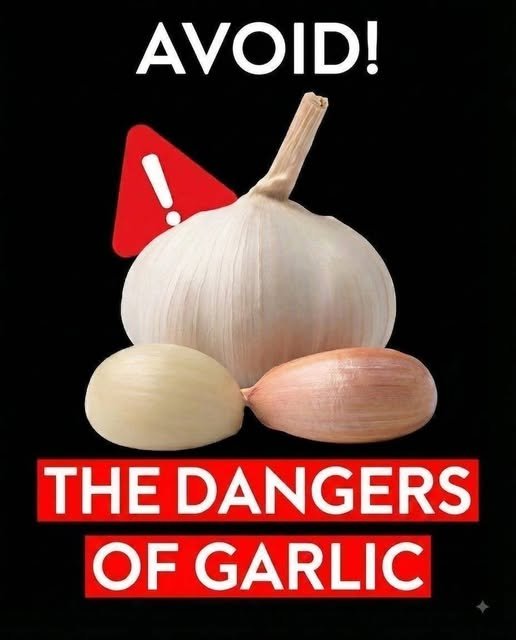
Garlic is one of the most popular ingredients in kitchens around the world. Its strong aroma and distinctive flavor make it an essential part of countless recipes, but garlic is also known for its potential health benefits.
It contains naturally occurring sulfur compounds, including allicin, which forms when fresh garlic is crushed or chopped. These compounds have attracted scientific interest because of their antioxidant, antimicrobial, and potential cardiovascular effects.
However, eating garlic does not automatically make you healthier. The way you prepare it, how much you consume, and your individual health conditions all matter.
Some common garlic habits can cause digestive discomfort, increase the risk of bleeding, or interfere with certain medications.
Here are 10 mistakes you should avoid when consuming garlic.
1. Eating Too Much Garlic at Once
Garlic may be nutritious, but consuming large quantities does not necessarily provide greater health benefits.
Eating too much raw or cooked garlic can cause:
-
Heartburn
-
Stomach irritation
-
Abdominal discomfort
-
Nausea
-
Gas and bloating
-
Diarrhea
Some people are particularly sensitive to garlic because it contains fructans, a type of fermentable carbohydrate that can trigger digestive symptoms.
A better approach: Use moderate amounts in your meals and pay attention to how your body responds. There is no universally recommended medicinal dose of garlic for everyone.
2. Swallowing Whole Garlic Cloves Without Chewing
Some people believe swallowing a whole garlic clove is an effective shortcut to obtaining its health benefits.
However, this habit is not necessarily helpful.
The enzyme reactions responsible for producing allicin occur when garlic cells are damaged through crushing, chopping, or chewing.
Swallowing a whole clove without breaking it may limit the formation of these compounds.
Large pieces of raw garlic may also cause throat irritation or digestive discomfort.
A better approach: Crush or finely chop garlic before adding it to food. This allows the natural compounds to form without requiring you to swallow an entire raw clove.
3. Cooking Garlic Immediately After Crushing It
Garlic contains a compound called alliin and an enzyme known as alliinase. When garlic is crushed or chopped, these components interact and produce allicin.
However, heat can reduce the activity of alliinase.
Cooking garlic immediately after crushing it may therefore limit allicin formation.
A better approach: Crush or chop fresh garlic and allow it to rest for approximately 10 minutes before cooking.
This waiting period can help the enzyme reaction take place before heat is applied.
It does not mean cooked garlic loses all its nutritional value. Garlic contains several other compounds that may remain present after cooking.
4. Eating Raw Garlic on an Empty Stomach Despite Discomfort
Raw garlic is sometimes promoted as a morning health remedy, with claims that eating it before breakfast improves digestion or cleanses the body.
However, there is no strong evidence that consuming garlic on an empty stomach provides special health benefits compared with eating it as part of a meal.
Raw garlic can be particularly irritating for people with sensitive stomachs.
It may trigger:
-
Acid reflux
-
Burning sensations
-
Nausea
-
Stomach pain
-
Digestive discomfort
A better approach: If raw garlic bothers your stomach, consume smaller amounts with food or choose cooked garlic instead.
You do not need to eat garlic first thing in the morning to benefit from including it in a balanced diet.
5. Using Garlic as a Replacement for Prescribed Medication
Garlic has been studied for its possible effects on cardiovascular health.
Some research suggests that certain garlic preparations may produce modest reductions in blood pressure or cholesterol in some people.
However, garlic is not a replacement for prescribed treatment.
People with high blood pressure, high cholesterol, diabetes, or heart disease should not stop taking their medication because they have started eating more garlic.
A better approach: Enjoy garlic as part of a balanced diet while following your healthcare professional’s treatment recommendations.
Food can support healthy habits, but it cannot replace necessary medical treatment.
6. Applying Raw Garlic Directly to Your Skin
A common home remedy involves rubbing crushed garlic on the skin to treat acne, fungal infections, or other skin problems.
This practice can be dangerous.
Fresh raw garlic contains irritating sulfur compounds that can cause severe skin reactions.
Direct application has been associated with:
-
Redness
-
Burning sensations
-
Blisters
-
Contact dermatitis
-
Chemical burns
The risk may increase when crushed garlic is covered with a bandage or left against the skin for an extended period.
A better approach: Do not apply raw garlic directly to your skin. Use treatments designed for the specific skin condition and consult a dermatologist if necessary.
7. Ignoring Garlic’s Interaction With Blood-Thinning Medication
This is one of the most important precautions.
Garlic, particularly concentrated garlic supplements, may affect platelet activity and increase bleeding risk.
This matters for people taking medications such as:
-
Warfarin
-
Apixaban
-
Rivaroxaban
-
Aspirin
-
Clopidogrel
The potential interaction varies depending on the medication, garlic preparation, and amount consumed.
Using ordinary culinary quantities of garlic is generally different from taking concentrated supplements.
A better approach: If you use blood-thinning medication or have a bleeding disorder, discuss garlic supplements with your healthcare professional before taking them.
Also inform your surgical team about supplements you use before any planned operation.
8. Taking Garlic Supplements Without Checking the Ingredients
Garlic supplements are available in several forms, including:
-
Garlic oil
-
Garlic powder
-
Aged garlic extract
-
Concentrated garlic capsules
These products are not interchangeable. Their composition and concentration can vary considerably.
Some supplements are marketed with impressive health claims, but not all have strong scientific evidence supporting their benefits.
Potential side effects include stomach upset, heartburn, allergic reactions, and increased bleeding risk.
A better approach: Do not assume that a concentrated garlic supplement is safer or more effective than fresh garlic.
Check the product ingredients and discuss supplementation with a qualified healthcare professional, especially if you take regular medication.
9. Eating Garlic Even When You Have an Allergy
Although uncommon, garlic allergy is possible.
Some people develop an allergic reaction after eating garlic or coming into contact with it.
Possible symptoms include:
-
Itching or tingling in the mouth
-
Skin rashes or hives
-
Swelling of the lips or face
-
Stomach cramps
-
Vomiting
-
Breathing difficulties
An allergic reaction is different from ordinary digestive sensitivity.
A better approach: Stop consuming garlic if you suspect an allergy and seek medical advice.
If garlic causes throat swelling, difficulty breathing, faintness, or severe facial swelling, seek emergency medical attention immediately.
10. Assuming Garlic Can Prevent Every Disease
Garlic has a long history of traditional use, and scientific research continues to investigate its potential health effects.
However, some popular claims go much further than the available evidence.
Garlic is not proven to:
-
Cure infections on its own
-
Remove toxins from the body
-
Dissolve blood clots
-
Prevent every type of cancer
-
Reverse diabetes
-
Clean the arteries
-
Replace antibiotics
Laboratory findings about garlic compounds do not automatically mean that eating garlic produces the same effects in humans.
A better approach: Think of garlic as a nutritious ingredient that can contribute to a balanced eating pattern, not as a miracle medicine.
What Is the Healthiest Way to Consume Garlic?
For most healthy adults, garlic can be enjoyed as part of everyday meals.
Here are a few practical ways to include it:
Add fresh garlic to vegetables: Crush or chop garlic and mix it into vegetables while cooking.
Use garlic in soups: Add it to homemade vegetable, chicken, or lentil soups for flavor.
Combine it with olive oil: Use garlic and olive oil as a seasoning for roasted vegetables.
Prepare homemade sauces: Garlic works well in yogurt-based sauces, salad dressings, and marinades.
Allow crushed garlic to rest: Waiting approximately 10 minutes before cooking may help allicin formation.
There is no need to force yourself to eat raw garlic or consume large amounts to maintain a healthy diet.
Who Should Be Particularly Careful With Garlic?
Although culinary garlic is safe for most people, certain individuals should take additional precautions.
| Group | Important Precaution |
|---|---|
| People taking blood thinners | Discuss concentrated garlic supplements because of potential bleeding risk |
| People with acid reflux | Raw garlic may worsen symptoms |
| People with sensitive digestion or IBS | Garlic’s fructans may trigger bloating and gas |
| People with garlic allergy | Avoid garlic and seek appropriate medical advice |
| People preparing for surgery | Inform the medical team about garlic supplements |
| Pregnant or breastfeeding women | Normal food amounts are generally different from concentrated supplements; discuss supplements with a clinician |
Frequently Asked Questions
1. Is eating raw garlic every day safe?
Many people tolerate small culinary amounts of raw garlic, but daily consumption can cause digestive irritation in some individuals. Large medicinal quantities are not necessary.
2. Is cooked garlic healthier than raw garlic?
Neither is universally healthier. Raw garlic may produce more allicin after crushing, while cooking changes its chemical composition and can make it easier to tolerate.
3. How many garlic cloves should I eat daily?
There is no officially established daily garlic requirement. Use reasonable culinary portions rather than following a fixed medicinal dose.
4. Does garlic lower blood pressure?
Some studies suggest that certain garlic supplements may modestly reduce blood pressure in people with hypertension. However, results vary, and garlic should never replace prescribed medication.
5. Can garlic cause bloating?
Yes. Garlic contains fructans that can ferment in the digestive tract and cause gas, bloating, and abdominal discomfort, particularly in people with irritable bowel syndrome.
6. Is garlic good for the heart?
Garlic contains compounds that are being studied for possible cardiovascular benefits. Some research suggests modest improvements in certain risk factors, but garlic alone cannot prevent or treat heart disease.
Final Thoughts
Garlic can be a valuable addition to your diet, offering flavor and naturally occurring compounds that researchers continue to study. However, more garlic does not always mean more health benefits.
Avoid excessive consumption, be careful with raw garlic if you have digestive problems, never apply it directly to your skin, and pay particular attention to possible interactions with blood-thinning medication.
The healthiest approach is simple: enjoy garlic in moderate amounts, choose a balanced diet, and never use it as a substitute for appropriate medical treatment.
SEO Details
SEO Title: 10 Garlic Mistakes You Should Avoid for Better Health
Meta Description: Discover 10 common garlic mistakes that may affect your health, including eating too much, swallowing whole cloves, and ignoring medication interactions.
Focus Keyword: Mistakes when consuming garlic
Secondary Keywords: garlic side effects, eating raw garlic, garlic health benefits, garlic on an empty stomach, garlic medication interactions, safe garlic consumption
URL Slug: 10-mistakes-to-avoid-when-consuming-garlic