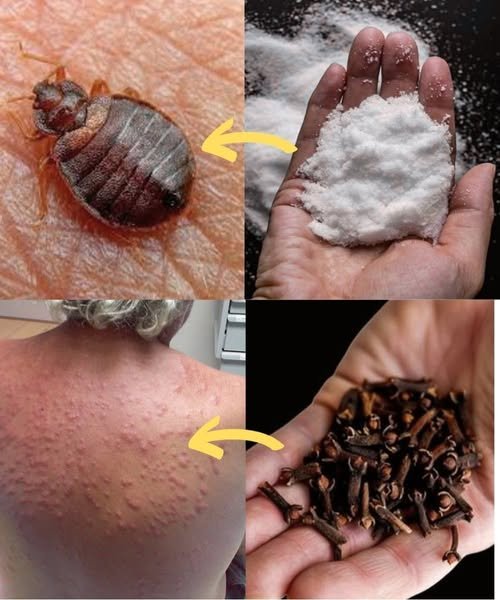
Bedbugs are among the most frustrating household pests. These tiny, reddish-brown insects hide in mattresses, bed frames, furniture, and narrow cracks during the day, then emerge at night to feed on human blood. Because they are small, excellent at hiding, and capable of surviving for extended periods without feeding, a bedbug infestation can be difficult to eliminate.
You might wake up with itchy marks on your skin, notice tiny dark spots on your bedsheets, or discover small insects hiding along mattress seams. These signs can make you suspect bedbugs, but confirming their presence is important because other insects can cause similar symptoms.
The good news is that bedbugs can be controlled with a systematic approach. You do not necessarily need to throw away your mattress or replace your furniture. Careful inspection, high-temperature laundering, appropriate heat treatment, and targeted pest-control methods can help eliminate them.
In this guide, you will learn how bedbugs live, where they hide, how to recognize an infestation, and which practical methods are most effective for getting rid of them.
What Are Bedbugs?
Bedbugs are small, wingless insects belonging to the genus Cimex. The common bedbug, Cimex lectularius, feeds primarily on human blood.
Adult bedbugs are usually about 4–7 millimeters long, roughly the size of an apple seed. They are flat and oval when unfed, becoming more elongated and swollen after a blood meal.
Their color ranges from pale brown to reddish-brown, depending on their age and whether they have recently fed.
Young bedbugs, called nymphs, are smaller and lighter in color. Their eggs are tiny, whitish, and difficult to spot without close inspection.
Bedbugs do not fly or jump. Instead, they crawl and spread by hitchhiking on luggage, clothing, bedding, used furniture, and other belongings.
An important fact: Bedbugs are not a reliable sign of a dirty house. They can infest clean and well-maintained homes just as readily as other buildings.
How Do Bedbugs Live?
Understanding the bedbug life cycle helps explain why an infestation can return after an apparently successful cleaning.
1. They Hide During the Day
Bedbugs generally prefer dark, protected spaces close to where people sleep or rest.
Common hiding places include:
- Mattress seams and piping.
- Bed frames, joints, and screw holes.
- Headboards and bed slats.
- Cracks in wooden furniture.
- Upholstered sofas and chairs.
- Behind loose wallpaper or wall decorations.
- Along baseboards and narrow floor gaps.
- Inside some electrical or structural crevices.
They may also hide in luggage, folded clothing, and other belongings stored near an infested bed.
Although they are commonly associated with bedrooms, heavy infestations can spread into other rooms.
2. They Feed on Blood
Bedbugs usually feed at night when people are resting. They use specialized mouthparts to pierce the skin and obtain a blood meal.
A feeding session often lasts several minutes. Some people develop itchy, red marks afterward, while others show little or no visible reaction.
The marks alone cannot confirm bedbugs. Mosquitoes, fleas, skin irritation, and other conditions can produce similar symptoms.
3. They Reproduce Quickly Under Suitable Conditions
Female bedbugs lay small eggs in protected locations. The eggs hatch into nymphs, which pass through several stages before becoming adults. Each nymphal stage requires a blood meal before the insect can molt to the next stage.
Under favorable conditions, bedbugs can develop and reproduce relatively quickly. This is why a small, unnoticed infestation may become a larger problem over several weeks.
4. They Can Survive Without Feeding
Bedbugs can survive for weeks or, under some conditions, several months without a blood meal. Survival varies with temperature, life stage, and other environmental factors.
Consequently, leaving a bedroom empty for a few days or simply sleeping somewhere else will not reliably eliminate them.
Moving to another room may also encourage bedbugs to spread to new sleeping areas.
How Can You Tell If Your House Has Bedbugs?
Look for physical evidence rather than relying only on bites.
Common Signs of Bedbugs
Small reddish-brown insects: Adult bedbugs are visible to the naked eye, although they can be difficult to find.
Dark spots on bedding: Small black or dark-brown marks may be bedbug droppings.
Tiny pale eggs: Eggs are approximately 1 millimeter long and may be attached to protected surfaces.
Shed skins: Growing bedbugs shed their outer skins, which may accumulate in hiding places.
Blood spots: Small blood stains on sheets may occur, although they are not specific to bedbugs.
Unexplained itchy marks: Bites may appear in clusters or lines, but their pattern varies and is not sufficient for diagnosis.
To inspect your bed, use a flashlight and carefully examine mattress seams, labels, piping, the underside of the mattress, the headboard, and bed-frame joints.
If you find a suspected insect, capture it in a sealed container or take a clear photograph so it can be identified.
The Simple Method: Heat, Vacuuming, and Careful Cleaning
There is no single household ingredient that reliably eradicates an established bedbug infestation. However, a structured combination of heat, cleaning, and targeted treatment is a practical place to start.
Step 1: Wash Bedding and Clothing With Heat
Remove bedsheets, pillowcases, blankets, and washable clothing from the affected area. Place them directly into sealed bags before transporting them to the laundry area to avoid spreading insects.
Wash items using the hottest temperature the fabric can safely tolerate.
For suitable fabrics, a tumble dryer on a high-heat setting for at least 30 minutes can be an effective way to kill bedbugs and their eggs. The actual treatment must heat the items sufficiently throughout; drying time alone is not a guarantee if the load is too large or the dryer does not heat adequately.
Keep treated items in clean, sealed bags or containers until the infestation has been controlled.
Step 2: Vacuum the Mattress and Bed Frame
Use a vacuum cleaner with a crevice attachment to carefully clean:
- Mattress seams and edges.
- Bed-frame joints.
- Headboard cracks.
- Areas beneath the bed.
- Upholstered furniture seams.
- Baseboards and nearby floor cracks.
Vacuuming can remove some bedbugs and eggs, but it rarely eliminates an infestation by itself.
Immediately seal the vacuum contents in a plastic bag and dispose of them in an outdoor rubbish bin. If using a bagless vacuum, empty and clean the container carefully according to the manufacturer’s instructions.
Do not assume that a mattress is pest-free simply because it has been vacuumed.
Step 3: Use a Proper Mattress Encasement
A bedbug-proof mattress encasement can trap insects already inside the mattress and remove many hiding places from the outside.
Choose an encasement specifically designed for bedbugs, with secure closures and durable seams. Keep it intact and in place for the period specified by the manufacturer; this may be a year or longer.
An encasement does not kill bedbugs hiding elsewhere in the room, so it must be combined with other treatment measures.
Step 4: Reduce Clutter Around the Bed
Bedbugs thrive in narrow hiding spaces. Reducing clutter makes inspection and treatment easier.
- Remove unnecessary items from beneath the bed.
- Seal and sort belongings carefully.
- Keep clean laundry separate from untreated laundry.
- Avoid moving potentially infested furniture into other rooms.
- Inspect secondhand furniture before bringing it indoors.
Do not discard belongings automatically. Many items can be treated safely, and throwing furniture away may spread the infestation if it is carried through the home without precautions.
Step 5: Consider Professional Heat Treatment or Targeted Pest Control
For established infestations, professional pest control is often the most reliable option.
Professionals may use specialized whole-room heat treatment, approved insecticides, steam, or a combination of methods. Treatment must reach the hiding places where bedbugs and eggs are present.
A household hair dryer or ordinary room heater is not a dependable substitute for professional heat treatment. Improvised heating can create fire risks and may leave hidden insects alive.
If an insecticide is needed, use only a product registered for bedbug control and follow its label precisely. Some products do not kill eggs, making follow-up inspections and repeat treatment necessary.
Do Lemon, Vinegar, Baking Soda, or Alcohol Kill Bedbugs?
Many online remedies claim that everyday kitchen ingredients can eliminate bedbugs. Unfortunately, most do not provide reliable control of an entire infestation.
Lemon Juice
Lemon juice is not a proven method for eradicating bedbugs or their eggs. Spraying it around the mattress may leave residue without reaching hidden insects.
White Vinegar
Vinegar is a household cleaning product, not a dependable bedbug treatment. It should not be relied upon to eliminate an infestation.
Baking Soda
There is no good evidence that sprinkling baking soda around a bed reliably kills bedbugs or prevents reproduction.
Rubbing Alcohol
Rubbing alcohol may kill some insects on direct contact, but it does not reliably eliminate hidden bedbugs or their eggs. It is also highly flammable, and spraying it on mattresses, bedding, or furniture can create a serious fire hazard.
Essential Oils
Some essential oils may affect insects under certain laboratory conditions, but homemade mixtures are not a dependable substitute for proven bedbug control. Concentrated oils may also irritate skin or harm pets.
The practical conclusion: Heat treatment, careful physical removal, protective encasements, monitoring, and appropriately selected pest-control products are more reliable than relying on a single homemade mixture.
What About Steam Cleaning?
Steam can kill bedbugs and eggs when sufficient heat reaches them, making a suitable steamer potentially useful for targeted treatment.
However, effectiveness depends on the equipment, temperature, contact, and treatment technique.
Use a steamer according to the manufacturer’s instructions. Avoid electrical outlets, electrical equipment, and surfaces that may be damaged by moisture or heat. Move the steamer slowly enough for heat to reach the treated area without spreading insects with excessive airflow.
Steam cleaning alone may not reach insects deep inside furniture or walls. It should be part of a broader treatment plan.
How to Prevent Bedbugs From Returning
After treatment, continue checking the affected area for several weeks.
Inspect Your Bed Regularly
Examine mattress seams, the headboard, and bed-frame joints for live insects, new dark spots, eggs, or shed skins.
Be Careful With Secondhand Furniture
Inspect used mattresses, sofas, bed frames, and other upholstered items before bringing them into your home.
Check Luggage After Traveling
When returning from a trip, inspect luggage seams and pockets. Avoid placing suitcases directly on beds, and wash and dry suitable travel clothing promptly.
Avoid Moving Items Between Rooms
Carrying bedding, cushions, or furniture from an infested room into another room may spread the insects. Bag items before transporting them for treatment.
Use Bedbug Monitors
Purpose-made interceptors placed beneath bed legs can help detect crawling bedbugs. They are monitoring tools, not a complete treatment.
Are Bedbugs Dangerous to Your Health?
Bedbugs are not generally known to transmit human diseases, but their bites can cause itching, discomfort, and sleep disruption.
Scratching the bites can damage the skin and sometimes lead to a secondary infection. Rarely, a person may experience a significant allergic reaction.
To manage itching, wash the area gently and avoid scratching. Seek medical advice if the skin becomes increasingly painful, warm, swollen, or develops pus.
Difficulty breathing, faintness, or swelling of the lips or tongue after an insect bite requires emergency medical attention.
Frequently Asked Questions
Can bedbugs disappear on their own?
An infestation should not be expected to disappear without intervention. Bedbugs can survive for long periods without feeding and may continue reproducing when conditions permit.
Can bedbugs live inside a mattress?
Yes. They commonly hide along mattress seams, piping, labels, and other protected areas. They can also live in the bed frame, headboard, nearby furniture, and cracks in the room.
Does sunlight kill bedbugs?
Leaving bedding or furniture in sunlight is not a reliable treatment. The temperature inside the material may remain too low, allowing insects and eggs to survive.
Can I sleep in another room to avoid bedbugs?
Moving rooms may cause bedbugs to spread to another area as they seek a blood meal. It is generally better to keep the infestation contained while arranging treatment.
Do bedbugs mean my house is dirty?
No. Bedbugs can enter even clean homes through luggage, clothing, visitors’ belongings, and secondhand furniture.
How long does it take to eliminate bedbugs?
The timeline depends on the size of the infestation, the treatment used, and whether eggs or hidden insects survive the initial treatment. Multiple visits or treatment rounds may be necessary.
Should I throw away my mattress?
Usually, no. A mattress may be treatable with appropriate methods and a bedbug-proof encasement. Dispose of it only if it cannot be treated safely or effectively, and take precautions to avoid spreading insects during removal.
Final Thoughts
Bedbugs are difficult to eliminate because they hide in tiny spaces, reproduce under favorable conditions, and can survive without feeding for extended periods. Simply changing bedsheets, spraying perfume, or applying a homemade lemon or vinegar mixture will not reliably solve the problem.
The most practical starting point is to contain affected belongings, heat-treat suitable laundry, vacuum bed seams and furniture, reduce clutter, and monitor for signs of continued activity. If you find multiple live insects or the infestation keeps returning, contact a qualified pest-control professional.
Remember: There is no guaranteed one-step household remedy for bedbugs. Consistent treatment of both the insects and their hiding places is the key to eliminating them.
SEO Details
SEO Title: How to Get Rid of Bedbugs at Home: Effective Treatment Tips
Focus Keyphrase: How to get rid of bedbugs at home
URL Slug: how-to-get-rid-of-bedbugs-at-home
Meta Description: Learn how bedbugs live, where they hide, and how to eliminate them with heat-treated laundry, careful cleaning, mattress encasements, and effective pest control.
Suggested Tags: Bedbugs, Bedbug Removal, Home Pest Control, Natural Pest Remedies, Mattress Cleaning, Bedbug Prevention, Household Insects