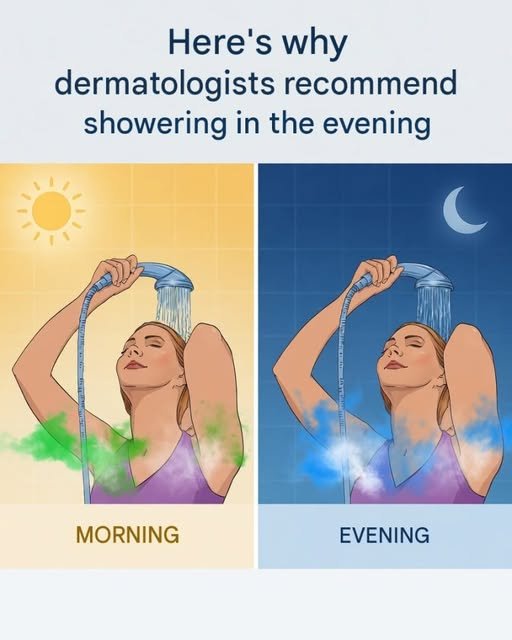
Many people start their day with a morning shower, while others prefer to wash away the day’s dirt and sweat before going to bed. Although both routines can be beneficial, showering in the evening offers several practical advantages, especially if you spend time outdoors, exercise, work in a dusty environment, or live in a hot climate.
An evening shower can help remove sweat, dust, pollen, and other particles from your skin and hair before you get into bed. It may also help you feel more relaxed, establish a calming bedtime routine, and keep your bedding cleaner for longer.
But is an evening shower actually better than a morning shower? The answer depends on your lifestyle, skin type, personal hygiene needs, and sleeping habits. Let’s explore the benefits and how to make an evening shower part of a healthy routine.
1. It Washes Away the Day’s Dirt and Sweat
Throughout the day, your skin comes into contact with sweat, natural oils, dust, and environmental particles. Exercise, commuting, outdoor activities, and physical work can increase this buildup.
Taking a shower before bed helps remove these substances before they transfer to your sheets and pillowcases.
This can be particularly useful if you:
- Work outdoors or in a dusty environment.
- Exercise in the afternoon or evening.
- Sweat heavily during hot weather.
- Use sunscreen or body-care products during the day.
- Spend a lot of time traveling or commuting.
A gentle evening shower can leave your skin feeling fresh and comfortable without requiring an elaborate skincare routine.
2. It May Help You Relax Before Bed
One of the most appealing reasons to shower in the evening is the opportunity to unwind.
After a busy day, a warm shower can provide a quiet transition between work and rest. The warmth may help relax tense muscles and create a sense of comfort, particularly after physical activity.
Your bedtime routine also matters. Repeating calming activities at roughly the same time each evening can help signal that the day is ending.
For a more relaxing experience, try dimming the bathroom lights, keeping the water comfortably warm, and avoiding an excessively long shower.
However, a shower is not a guaranteed treatment for stress or anxiety. Its relaxing effect varies from person to person.
3. It May Support Better Sleep
Research suggests that warm bathing or showering before bedtime may help some people fall asleep more easily.
The body naturally regulates its internal temperature as bedtime approaches. A warm shower or bath can temporarily warm the skin, followed by heat loss after you step out. This process may support the body’s natural preparation for sleep.
For people who find it helpful, a warm shower approximately one to two hours before bedtime is a reasonable routine to try.
You do not need extremely hot water. A comfortably warm shower is sufficient, and very hot water may cause irritation, dryness, or dizziness in some people.
It is also important to remember that sleep quality depends on several factors, including a consistent sleep schedule, light exposure, caffeine intake, stress, and bedroom conditions. Evening showering may help, but it cannot replace healthy sleep habits.
4. It Can Help Keep Your Bedding Cleaner
Your bedsheets and pillowcases gradually collect sweat, skin oils, dead skin cells, and particles from the surrounding environment.
Showering before bed removes some of the day’s accumulated dirt and sweat, reducing the amount transferred to your bedding.
This does not mean you can stop washing your sheets. Bedding still needs regular laundering, and clean skin continues to produce natural oils and shed skin cells.
For a cleaner sleeping environment, combine an evening shower with:
- Changing underwear and sleepwear regularly.
- Washing pillowcases and sheets regularly.
- Drying your body before getting into bed.
- Keeping your bedroom well ventilated.
- Avoiding going to bed in clothes worn during outdoor activities.
These simple habits can make your sleeping environment feel fresher and more comfortable.
5. It May Reduce the Amount of Pollen You Bring to Bed
Pollen can settle on your hair, skin, and clothing after you spend time outdoors. People who experience seasonal allergies may find it helpful to wash before bed, especially during periods of high pollen exposure.
An evening shower can remove some pollen from your skin and hair, while changing clothes helps prevent particles from being transferred to bedding.
If pollen is a trigger for your symptoms, you can also:
- Keep outdoor clothing away from the bed.
- Close windows when pollen levels are high, if practical.
- Wash your face and hands after spending time outside.
- Follow your healthcare professional’s advice for managing allergies.
A shower may reduce exposure, but it does not eliminate all allergens or replace appropriate allergy treatment.
6. It Can Help With Post-Workout Hygiene
Exercise increases sweating, and tight or damp workout clothing can leave the skin feeling uncomfortable.
Showering after exercise removes sweat, excess oil, and surface dirt. It can also help you feel refreshed before sleeping.
This is particularly useful after activities such as running, cycling, gym workouts, sports, or outdoor exercise.
After exercising, change out of sweaty clothing and shower when practical. Pay attention to areas where moisture and friction tend to accumulate, such as the armpits, groin, and feet.
If you are prone to acne or irritation, gentle cleansing and changing out of sweaty clothes may be more helpful than using harsh soaps or scrubbing the skin aggressively.
7. It May Help You Manage Body Odor
Body odor develops when microorganisms on the skin break down substances in sweat. Sweat itself is not always strongly scented, but odor can become noticeable in areas such as the armpits and feet.
An evening shower helps remove sweat and odor-producing residue that accumulates throughout the day.
Use a mild cleanser on areas that tend to become sweaty, rinse thoroughly, and dry your skin well afterward. Clean sleepwear also helps.
If body odor remains unusually strong despite regular washing, or if you notice a sudden unexplained change, consider speaking with a healthcare professional. Changes in odor can have several causes and do not automatically indicate a serious illness.
8. It Can Fit Better Into a Consistent Skincare Routine
For many people, evening showering makes it easier to complete a daily skincare routine without rushing.
After washing your face and body, you can apply moisturizer to slightly damp skin. This helps reduce water loss and can be especially useful if your skin becomes dry after bathing.
A simple evening routine may include:
- Wash your body with a gentle cleanser.
- Cleanse your face with a product suitable for your skin type.
- Pat your skin dry rather than rubbing aggressively.
- Apply moisturizer while the skin is still slightly damp.
- Use any prescribed skincare products according to their instructions.
You do not need expensive products or a complicated routine. Gentle cleansing and regular moisturizing are often enough for everyday skin care.
If you have eczema, sensitive skin, or another skin condition, follow your clinician’s advice about suitable cleansers, bathing frequency, and moisturizers.
9. It Creates a Clear Boundary Between the Day and Night
A shower can become a simple ritual that separates work, responsibilities, and outdoor activities from personal time.
For some people, this routine encourages them to slow down, change into comfortable clothing, and prepare for sleep.
You might combine your evening shower with other relaxing habits, such as reading, preparing clothes for the next morning, reducing screen brightness, or going to bed at a consistent time.
The benefit is not that water has a special effect on the mind. Rather, a predictable routine can make it easier to transition from a busy day into a period of rest.
Is an Evening Shower Better Than a Morning Shower?
Neither option is universally better. The most suitable time depends on what you need from your shower.
| Your situation | A useful choice |
|---|---|
| You sweat heavily during the day | Evening shower |
| You exercise after work | Shower after exercise |
| You work outdoors or in dusty conditions | Evening shower |
| You wake up sweaty | Morning shower may be helpful |
| You want to feel alert before work | Morning shower |
| You have sensitive or dry skin | Either time, using gentle products |
| You prefer a calming bedtime routine | Evening shower may suit you |
Some people benefit from both a quick morning rinse and a more thorough shower after exercise or outdoor work. However, showering twice daily is not necessary for everyone and may worsen dry skin if the water is hot or the cleanser is harsh.
Choose the schedule that supports your hygiene, comfort, and lifestyle.
How to Take an Evening Shower Without Drying Out Your Skin
Showering at night can be beneficial, but the way you shower matters just as much as the time.
Use Warm, Not Very Hot, Water
Hot water can strip away some of the skin’s protective oils and increase dryness or itching. Choose comfortably warm water instead.
Keep Your Shower Reasonably Short
A shower lasting around 5–10 minutes is generally sufficient for everyday cleansing. Longer showers are not necessarily better and may increase dryness.
Choose a Gentle Cleanser
Avoid harsh soaps and heavily fragranced products if they irritate your skin. You do not need to scrub every part of your body aggressively every day.
Moisturize After Showering
Pat your skin dry with a towel and apply a suitable moisturizer while your skin is still slightly damp. This can help maintain hydration.
Dry Your Feet Carefully
Moisture between the toes can encourage certain fungal infections. Dry these areas thoroughly, particularly if your feet sweat heavily.
Avoid Going to Bed With Wet Hair if It Causes Problems
Sleeping with wet hair is not automatically harmful, but prolonged dampness, friction, and scalp conditions may contribute to discomfort or hair breakage in some people. If your hair takes a long time to dry, allow it to dry sufficiently before bed.
There is no need to use high heat from a hair dryer if that damages your hair; gentle drying is a reasonable alternative.
Common Myths About Evening Showers
Myth 1: Showering at Night Prevents All Skin Infections
Fact: Washing removes sweat, dirt, and some microorganisms from the skin, but it cannot prevent every infection. Clean, dry skin and appropriate treatment for existing conditions remain important.
Myth 2: Everyone Sleeps Better After an Evening Shower
Fact: Some people find a warm shower relaxing and helpful for sleep, while others notice little difference. The timing and water temperature may influence the experience.
Myth 3: Morning Showers Are Unhealthy
Fact: Morning showers are perfectly reasonable. They can help people feel refreshed, remove overnight sweat, and establish a routine before work or exercise.
Myth 4: Showering Twice a Day Is Always Better
Fact: More frequent bathing is not automatically healthier. Excessive washing, hot water, and harsh cleansers can irritate the skin. Adjust shower frequency to your activity level, climate, and skin needs.
Myth 5: You Must Wash Your Hair Every Evening
Fact: Hair-washing frequency depends on your scalp, hair type, activity, and personal needs. Some people need frequent washing, while others can wash less often. Daily shampooing is not necessary for everyone.
Frequently Asked Questions
What is the best time to shower before bed?
If you want to try a shower for relaxation and sleep, approximately one to two hours before bedtime is a reasonable starting point. You can adjust the timing according to your comfort and schedule.
Is it okay to shower every night?
For most healthy adults, daily showering is generally fine when the water is not too hot and the products are gentle. If your skin becomes dry or irritated, shorten your showers, use less cleanser, or reduce their frequency as appropriate.
Should I shower after sweating even if I showered in the morning?
If you sweat heavily after your morning shower, washing again can help remove sweat and improve comfort. A full shower may not be necessary after every minor activity; changing clothes and washing specific areas may be sufficient.
Does an evening shower help with acne?
It may help remove sweat, oil, sunscreen, and environmental residue that can contribute to clogged pores in some people. However, acne has multiple causes, and showering alone is not a guaranteed treatment. Use suitable skincare products and seek medical advice for persistent or severe acne.
Is a cold shower better than a warm shower at night?
A comfortably warm shower may be more relaxing for many people, while cold water can feel refreshing. There is no single temperature that is best for everyone. Avoid extremes, particularly if you have a medical condition that affects your response to temperature.
Can showering at night help with allergies?
It may remove some pollen from your skin and hair, which can be useful if outdoor allergens trigger your symptoms. Washing exposed clothing and changing pillowcases can also help reduce exposure.
Final Thoughts
Showering in the evening can be a practical way to remove the day’s sweat and dirt, keep your bedding fresher, manage post-workout hygiene, and establish a relaxing bedtime routine. For some people, a warm shower before bed may also support easier sleep.
However, an evening shower is not automatically healthier than a morning shower. Your activity level, climate, skin type, and personal preferences matter more than following a strict rule about shower timing.
For a simple routine, take a short, comfortably warm shower, use a gentle cleanser, moisturize if needed, and allow yourself time to relax before bed. Consistency and skin-friendly habits are more important than the exact hour you shower.
Health note: This article provides general hygiene information and is not a substitute for individualized medical advice. If you experience persistent itching, unexplained skin changes, or ongoing sleep difficulties, consult a qualified healthcare professional.
SEO Details
SEO Title: Why It’s Better to Shower in the Evening: 9 Benefits
Focus Keyphrase: Benefits of Showering in the Evening
URL Slug: benefits-of-showering-in-the-evening
Meta Description: Discover 9 benefits of showering in the evening, from washing away sweat and pollen to supporting relaxation, cleaner bedding, and a healthy bedtime routine.
Suggested Tags: Evening Shower Benefits, Nighttime Shower, Healthy Hygiene Habits, Better Sleep Routine, Skin Care Tips, Personal Hygiene, Bedtime Routine, Healthy Lifestyle