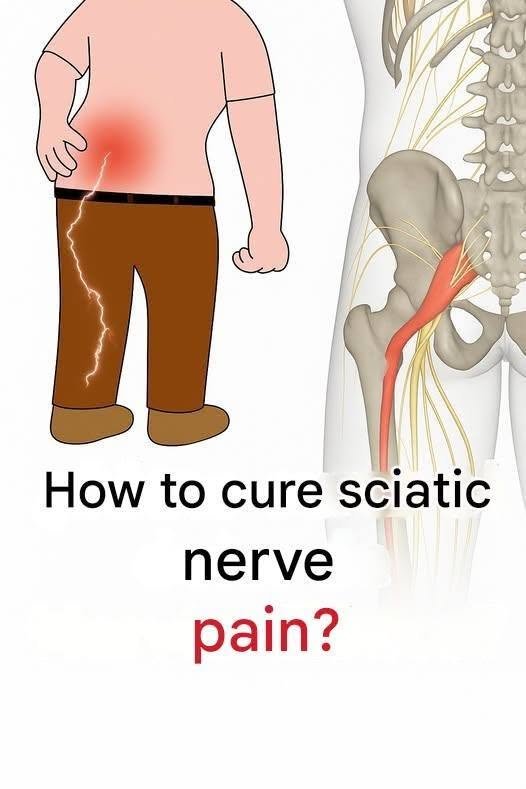
Sciatica pain can make everyday activities surprisingly difficult. A simple walk, getting out of bed, sitting at a desk, or bending to pick something up may trigger discomfort that travels from the lower back into the buttock and down one leg. For some people, the sensation feels like a dull ache; for others, it may involve burning, tingling, numbness, or sharp, shooting pain.
The good news is that gentle movement and appropriate exercises may help some people manage sciatica symptoms and improve mobility. The key is choosing movements that suit your symptoms rather than forcing stretches that increase pain.
In this guide, we will explore three commonly recommended exercises that may help relieve sciatica-related discomfort, explain how to perform them safely, and discuss when medical evaluation is important.
Important: Sciatica describes symptoms associated with irritation or compression of the sciatic nerve or its nerve roots. Not every case responds to the same exercise. These movements are general suggestions, not a substitute for an assessment by a qualified healthcare professional.
What Is Sciatica?
The sciatic nerves originate from nerve roots in the lower spine and travel through the buttocks and down each leg. When a nerve root becomes irritated or compressed, pain or other symptoms may develop along this pathway, usually on one side.
Common causes include a herniated disc, age-related changes in the spine, and narrowing around the spinal nerves. In some cases, surrounding muscles may contribute to irritation or similar symptoms.
Common symptoms include:
- Pain that travels from the lower back or buttock into the leg.
- Burning, electric, or shooting sensations.
- Tingling or pins-and-needles in the leg or foot.
- Numbness in part of the leg.
- Weakness affecting the foot or leg in more serious cases.
Sciatica is not the same as ordinary muscle soreness. Persistent pain, numbness, or weakness deserves appropriate medical assessment, especially when symptoms are worsening.
1. Gentle Knee-to-Chest Stretch
The knee-to-chest stretch gently moves the hip and lower back. Some people find it comfortable when their symptoms are associated with stiffness, but it does not suit everyone, particularly people whose leg pain worsens when bending the spine forward.
How to Perform It
- Lie on your back on a comfortable, supportive surface.
- Bend both knees and keep your feet resting on the surface.
- Slowly bring one knee toward your chest, holding the back of your thigh or the front of your shin.
- Move only as far as feels comfortable. Do not pull forcefully.
- Hold for approximately 10–15 seconds while breathing normally.
- Slowly return your foot to the starting position.
- Repeat on the other side only if it feels comfortable.
Start with 2–3 repetitions on each side.
Potential Benefits
- Gently moves the lower back and hip.
- May ease stiffness for some people.
- Can provide a comfortable starting movement for people who tolerate spinal flexion.
Safety Tips
Do not force your knee toward your chest. Stop if the stretch causes pain to travel farther down your leg, increases tingling or numbness, or produces sharp pain.
If bending forward aggravates your symptoms, skip this exercise and ask a physiotherapist which movement is more suitable.
2. Gentle Sciatic Nerve Glide
A sciatic nerve glide, sometimes called a nerve slider, is a controlled movement intended to help the nerve move relative to surrounding tissues. Unlike a traditional hamstring stretch, it should not involve forcefully holding the nerve at the end of its range.
This exercise may be helpful for selected people with nerve-related symptoms, but the correct technique depends on the underlying problem.
How to Perform It
- Sit upright on a stable chair with your feet flat on the floor.
- Slowly straighten one knee a little while gently lifting your toes toward you.
- At the same time, keep your back and neck relaxed rather than bending forward to reach your foot.
- Return your foot to the starting position, allowing the ankle and knee to relax.
- Repeat the movement smoothly without holding a painful stretch.
- Begin with 5 gentle repetitions on one side.
If the movement feels comfortable, you may gradually increase to 8–10 repetitions.
Potential Benefits
- Encourages gentle movement of the nerve and surrounding tissues.
- May help some people tolerate leg movement more comfortably.
- Provides a controlled alternative to aggressive hamstring stretching.
Safety Tips
A nerve glide should not create strong pulling, burning, or shooting pain. Stop if your symptoms become stronger, spread farther down the leg, or remain worse after the exercise.
Do not repeatedly stretch a painful nerve in an attempt to make the discomfort disappear. A physiotherapist can help determine whether nerve gliding is appropriate for your condition.
3. Gentle Prone Lying or Supported Back Extension
Some people with sciatica feel better when their lower back is gently extended rather than bent forward. For these individuals, lying on the stomach or supporting the upper body on the forearms may help reduce symptoms.
However, extension-based movements can aggravate certain back conditions. Try this only if the position is comfortable and does not worsen your leg symptoms.
How to Perform It
- Lie on your stomach on a firm but comfortable surface.
- Rest your head in a comfortable position and breathe normally.
- Stay in this position for 30–60 seconds if it feels comfortable.
- If there is no worsening of symptoms, gently prop yourself up on your forearms, keeping your hips on the surface.
- Hold for 5–10 seconds, then lower yourself slowly.
- Repeat 3–5 times only if the movement remains comfortable.
Do not push your back into a deep arch or force your elbows into a locked position.
Potential Benefits
- May help some people who tolerate spinal extension.
- Provides an alternative to forward-bending movements.
- May help identify a comfortable position for symptom management.
Safety Tips
Stop if the pain intensifies or travels farther down the leg. If the movement causes new tingling, numbness, or weakness, discontinue it and seek medical advice.
A useful response is when symptoms become less intense or retreat from the foot toward the buttock or back. This is sometimes called centralization. It can help a clinician understand which movements may suit you, but it is not a guarantee of recovery.
Which Exercise Should You Try First?
There is no single best exercise for every person with sciatica. Your symptoms and their response to movement matter more than completing all three exercises.
| Exercise | May suit people who | Main caution |
|---|---|---|
| Knee-to-chest stretch | Tolerate gentle forward bending | May aggravate symptoms that worsen with flexion |
| Sciatic nerve glide | Need carefully controlled nerve movement | Avoid strong pulling or increased nerve symptoms |
| Prone lying or supported extension | Feel more comfortable with gentle back extension | May worsen symptoms in some back conditions |
Begin with one gentle movement rather than doing all three in one session. If it increases leg pain or causes new symptoms, stop rather than pushing through.
Additional Ways to Manage Sciatica at Home
Exercises are only one part of managing sciatica. A few everyday adjustments may also help.
Keep Moving Within Your Limits
Short, comfortable walks and changing positions regularly may be more helpful than prolonged bed rest. Start with a manageable distance and increase gradually if your symptoms allow.
Avoid Long Periods in One Position
Sitting or standing in the same position for extended periods may aggravate symptoms. Take brief movement breaks and choose positions that reduce discomfort.
Use Heat or Cold for Comfort
A wrapped cold pack or a comfortably warm heating pad may provide temporary relief. Protect your skin, avoid extreme temperatures, and do not apply heat or ice directly to numb skin.
Lift Carefully
Keep objects close to your body, avoid sudden twisting while lifting, and use your hips and knees as appropriate. If lifting reliably triggers severe pain, avoid the activity until you have received guidance.
Consider Physiotherapy
A physiotherapist can assess your strength, movement, flexibility, and nerve symptoms. They can then tailor an exercise program to the likely cause of your pain rather than relying on a general routine.
When Should You Seek Medical Help?
Most episodes of sciatica do not require emergency treatment, but certain symptoms need prompt attention.
Seek emergency medical care immediately if you develop:
- New difficulty controlling your bladder or bowels, or inability to urinate.
- Numbness around the groin, genitals, or inner thighs (saddle area).
- Severe or rapidly worsening weakness in one or both legs.
- Sciatica symptoms affecting both legs together with new neurological symptoms.
These can be warning signs of serious nerve compression.
Arrange a medical assessment if pain is severe, continues to worsen, interferes significantly with walking or sleep, or is accompanied by persistent numbness or weakness. You should also seek advice if symptoms are not improving after a few weeks of self-care.
Frequently Asked Questions
Can exercises completely cure sciatica?
Not necessarily. Exercises may help reduce symptoms and improve function, but the outcome depends on the cause of the nerve irritation. Some cases improve with conservative care, while others need further investigation or additional treatment.
Should I exercise when my leg hurts?
Gentle movement may be appropriate if it does not worsen your symptoms. Avoid forcing a stretch through sharp, shooting, or increasing nerve pain. If you are unsure which movements are safe, consult a healthcare professional.
Is walking good for sciatica?
Walking may help some people maintain mobility and avoid prolonged inactivity. Start with short distances and a comfortable pace. If walking causes increasing pain, weakness, or numbness, stop and seek advice.
Should I stretch my hamstrings if I have sciatica?
Not automatically. Hamstring stretches can sometimes increase nerve-related symptoms because the sciatic nerve and its surrounding tissues are also affected by leg positioning. Gentle nerve gliding or other movements may be more appropriate for some people.
How long does sciatica take to improve?
Recovery varies according to the cause and severity. Some people improve within days or weeks, while others experience symptoms for longer. Persistent or worsening symptoms should be assessed rather than managed indefinitely with home exercises.
Can sleeping position affect sciatica pain?
Yes. A comfortable sleeping position may help you rest, although no single position works for everyone. Some people prefer lying on their side with a pillow between their knees, while others feel better lying on their back with a pillow beneath their knees.
Final Thoughts
Sciatica can make ordinary daily activities uncomfortable, but appropriately selected movement may help some people improve their mobility and manage symptoms.
The three exercises in this guide—the gentle knee-to-chest stretch, sciatic nerve glide, and supported back extension—are options to consider, not a routine that everyone should complete. Choose movements that feel comfortable, avoid forcing painful stretches, and pay attention to how your leg responds.
Most importantly, do not ignore worsening weakness, significant numbness, or bladder and bowel changes. The safest and most effective approach is to understand the cause of your symptoms and choose treatment accordingly.
SEO Details
SEO Title: 3 Exercises to Relieve Sciatica Pain in the Leg
Meta Description: Discover three gentle exercises that may help manage sciatica leg pain, plus safety tips, home-care advice, and warning signs that need medical attention.
Focus Keyword: exercises to relieve sciatica pain in the leg
Secondary Keywords: sciatica exercises, sciatic nerve glide, sciatica leg pain relief, lower back and leg pain, gentle sciatica stretches, home care for sciatica
Suggested URL Slug: exercises-to-relieve-sciatica-leg-pain
Excerpt: Explore three gentle exercises that may help manage sciatica-related leg pain, learn how to perform them safely, and understand when professional medical care is necessary.