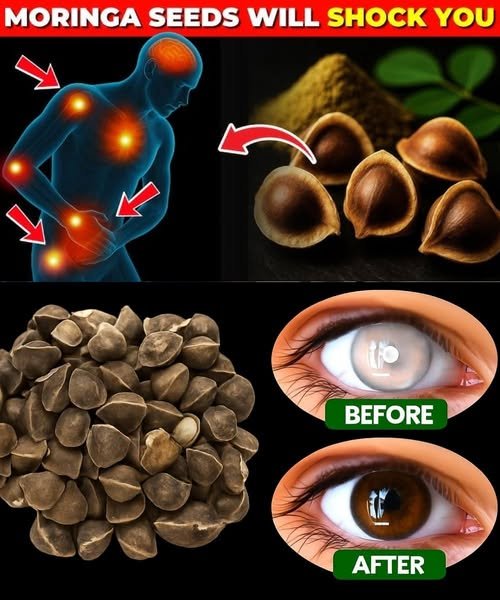
Moringa seeds come from the pods of the moringa tree (Moringa oleifera), a plant widely used in traditional food and wellness practices in parts of South Asia and Africa. While moringa leaves are more commonly discussed, the seeds are also gaining attention because they contain protein, healthy fats, minerals, and various plant compounds.
But there is an important distinction between nutritional potential and proven medical effects. Moringa seeds are not a miracle cure, and research on humans is still limited for many of the health claims made online.
That said, adding nutrient-rich foods to a balanced diet can be a useful part of an overall healthy lifestyle. Here are 12 potential benefits of moringa seeds worth knowing about.
1. Moringa Seeds Provide Plant-Based Nutrients
One of the biggest reasons moringa seeds are interesting is their nutritional content.
Depending on how they are prepared and grown, moringa seeds can provide:
- Protein
- Dietary fat
- Fiber
- Minerals
- Plant-based antioxidants
- Various bioactive compounds
They can therefore contribute nutrients to the diet when consumed appropriately.
However, the nutritional composition can vary considerably between raw seeds, roasted seeds, seed flour, and processed moringa products.
2. They Contain Antioxidant Compounds
Moringa seeds contain several plant compounds with antioxidant activity.
Antioxidants help protect cells from oxidative stress caused by reactive molecules produced naturally during normal metabolism and increased by factors such as environmental stress.
Eating a variety of antioxidant-rich foods—including fruits, vegetables, legumes, nuts, seeds, and whole grains—is generally a better approach than relying on one particular plant.
3. They May Support a Heart-Healthy Diet
Moringa seeds contain unsaturated fats, which can be part of a heart-friendly eating pattern.
Replacing foods high in saturated fat with sources of unsaturated fat can support healthier dietary fat intake.
Some laboratory and animal research on moringa has also investigated effects on blood lipids, but evidence from human studies involving moringa seeds specifically is not strong enough to claim that they lower cholesterol or prevent heart disease.
Think of them as a potentially nutritious food—not a treatment.
4. They May Help Support Normal Blood Sugar Management
Moringa has attracted research interest because certain compounds found in the plant may influence glucose metabolism.
Some experimental studies have reported potentially beneficial effects, but much of the evidence comes from laboratory or animal research, while human evidence remains limited and inconsistent.
For people concerned about blood sugar, moringa seeds should never replace prescribed medication, medical care, or an appropriate eating plan.
5. They Provide Some Protein
Seeds naturally contain protein, and moringa seeds can contribute to overall protein intake.
Protein is important for:
- Maintaining muscle
- Supporting tissue repair
- Producing enzymes and hormones
- Helping with normal immune function
- Promoting fullness after meals
Moringa seeds aren’t a complete substitute for major protein sources, but they can complement a varied diet.
6. They Contain Healthy Fats
Moringa seeds contain oils that include unsaturated fatty acids.
Dietary fats are essential because they help the body absorb fat-soluble vitamins such as vitamins A, D, E, and K and provide a concentrated source of energy.
The overall quality of your diet matters more than any single seed or oil, so moringa seeds are best considered one possible source of dietary fat.
7. They May Support Digestive Health
Whole moringa seeds contain dietary components that may contribute to digestive health.
Fiber is particularly important for normal bowel function and can help support regularity when consumed as part of an adequate-fiber diet.
However, eating large quantities of seeds suddenly can cause digestive discomfort, especially if your body isn’t accustomed to them.
Start with small amounts and drink adequate fluids.
8. They Contain Plant Compounds Being Studied for Inflammation
Moringa contains several bioactive compounds that researchers have investigated for antioxidant and anti-inflammatory activity.
This is one reason moringa has become popular in nutritional research.
However, laboratory findings do not automatically mean that eating moringa seeds will treat inflammation or inflammatory diseases in humans.
A diet rich in vegetables, fruits, whole grains, legumes, nuts, and seeds remains a more reliable way to obtain a broad range of protective plant compounds.
9. They May Support Overall Nutrient Intake
Poor dietary variety can make it difficult to obtain enough vitamins, minerals, protein, and other essential nutrients.
Adding nutrient-dense foods to meals can help improve dietary variety.
Moringa seeds may contribute some nutrients, but they shouldn’t be viewed as a replacement for a balanced diet.
A colorful combination of vegetables, fruits, legumes, whole grains, dairy or alternatives, eggs, fish, poultry, and other protein sources provides a much broader nutritional foundation.
10. Moringa Seeds Have Traditionally Been Used in Various Cultures
Moringa has a long history of traditional use.
Different parts of the plant—including leaves, pods, roots, and seeds—have been used in traditional food systems and preparations.
Traditional use can provide useful clues for researchers, but it isn’t the same as clinical evidence.
Modern research is still examining which compounds are responsible for possible biological effects and whether those effects translate into meaningful health benefits in humans.
11. They May Be Useful as Part of a Nutrient-Dense Diet
One of the most realistic benefits of moringa seeds is that they can be incorporated into a varied diet.
Depending on the product and preparation, they may be eaten roasted, ground, or incorporated into other foods.
The key is moderation.
Adding a small amount of a nutritious food to an otherwise balanced diet is very different from consuming large quantities in the hope of treating a health problem.
12. They May Offer Interesting Plant Compounds for Future Research
Perhaps the most exciting thing about moringa isn’t what we can already prove—it is what researchers are still investigating.
Moringa seeds contain compounds that have demonstrated biological activity in laboratory and animal research. Scientists continue to study their potential effects on metabolism, oxidative stress, inflammation, and other processes.
More well-designed human studies are needed before strong conclusions can be made.
So while moringa is an interesting plant nutritionally, it should not be marketed as a cure-all.
How Can You Eat Moringa Seeds?
Moringa seeds can be prepared in different ways, depending on the product and local culinary practices.
Some people:
- Roast the seeds lightly
- Grind them into a powder
- Add small amounts to foods
- Use commercially prepared moringa seed products
If you’re trying moringa seeds for the first time, start with a small amount rather than consuming a large quantity.
Always follow the preparation and serving instructions on a reputable product.
Moringa Seeds vs. Moringa Leaves
Moringa leaves are generally more familiar as a food and have been studied more extensively as a nutritional ingredient.
Seeds have a different nutritional composition and contain different concentrations of plant compounds.
Therefore, you shouldn’t assume that research conducted on moringa leaves automatically proves the same effect for moringa seeds.
This distinction is especially important when evaluating health claims online.
Are Moringa Seeds a Weight-Loss Food?
Moringa seeds are sometimes promoted as a natural weight-loss remedy, but this claim deserves caution.
There is no good evidence that eating moringa seeds directly melts belly fat or causes rapid weight loss.
Successful weight management generally depends on the overall balance of food intake, physical activity, sleep, genetics, and other lifestyle factors.
If moringa seeds replace a less nutritious snack, they may fit into a healthy eating pattern—but that is different from saying the seeds themselves burn fat.
How Many Moringa Seeds Should You Eat?
There is no universally established therapeutic dose of moringa seeds for healthy adults.
The appropriate amount can depend on the product, preparation, and individual circumstances.
Because research on concentrated moringa seed products is still developing, avoid assuming that larger amounts provide greater benefits.
More is not necessarily better.
Who Should Be Careful With Moringa Seeds?
People who are pregnant or breastfeeding, taking regular medication, or managing a medical condition should speak with a qualified healthcare professional before using concentrated moringa products.
This is particularly important because supplements and concentrated plant products can behave differently from ordinary food portions.
People taking medication for blood sugar or blood pressure should be especially cautious about using concentrated moringa preparations without professional advice.
Moringa Seeds: Food, Not a Miracle Cure
Moringa seeds are an interesting plant food containing protein, fats, and bioactive compounds. Early research suggests several possible health-related effects, but many popular claims remain ahead of the scientific evidence.
The most sensible way to look at moringa is as one potentially nutritious addition to a varied diet, rather than a replacement for medical treatment.
A healthy lifestyle built around nutritious foods, regular physical activity, adequate sleep, and appropriate medical care will always be more important than any single superfood.
Final Thoughts
The growing interest in moringa seeds is understandable. They contain useful nutrients and naturally occurring plant compounds, and researchers continue to investigate their potential benefits.
But you don’t need exaggerated promises to make moringa interesting.
The strongest approach is to enjoy nutrient-rich foods as part of a varied diet while keeping expectations realistic. Moringa seeds may have nutritional value and promising research behind them, but more human research is needed before many of the stronger health claims can be considered established.
If you decide to try moringa seeds, choose a reputable food or supplement product, use it according to the manufacturer’s instructions, and speak with a healthcare professional if you take medications or have an underlying medical condition.
SEO Details
SEO Title: 12 Moringa Seed Benefits You Should Know About
Meta Description: Discover 12 potential moringa seed benefits, including their nutrients, antioxidants, healthy fats, and what current research says about this increasingly popular plant food.
Focus Keyword: Moringa Seed Benefits
Secondary Keywords:
Moringa seeds, benefits of moringa seeds, moringa seed nutrition, Moringa oleifera seeds, moringa health benefits, how to eat moringa seeds, moringa seeds for health
Suggested URL Slug:
moringa-seed-benefits
Excerpt:
Moringa seeds contain protein, healthy fats, antioxidants, and other plant compounds. Discover 12 potential benefits, how moringa seeds may fit into a balanced diet, and what the current evidence really says.