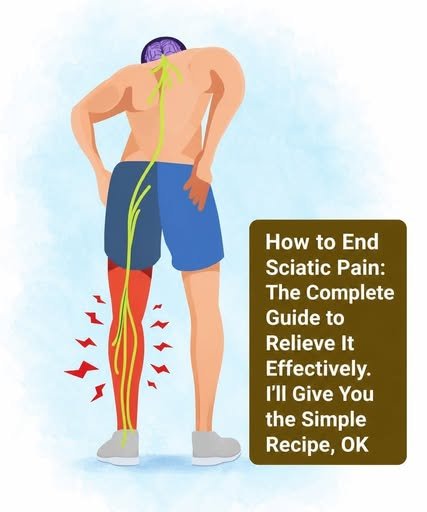
Sciatic pain can be frustrating, especially when a sharp, burning, or electric-like sensation travels from the lower back or buttock down the leg. It may also cause tingling, numbness, or weakness in the affected leg or foot.
The good news is that sciatica often improves without surgery. The right approach usually focuses on staying appropriately active, managing pain, gradually rebuilding movement and strength, and addressing the underlying cause when necessary.
However, severe or worsening neurological symptoms should never be ignored. In particular, new bladder or bowel problems, numbness around the genitals or anus, or significant weakness affecting both legs can indicate a serious spinal problem requiring emergency assessment.
What Is Sciatica?
Sciatica describes symptoms caused by irritation or compression of the sciatic nerve or its nerve roots.
The sciatic nerve runs from the lower back through the buttocks and down the leg. Symptoms commonly affect one side and may include:
- Sharp or shooting pain
- Burning pain
- Tingling or pins and needles
- Numbness
- Weakness
- Pain extending from the buttock down the back of the leg
Pain may become more noticeable with movement, coughing, sneezing, or certain positions.
Sciatica is different from ordinary lower-back pain because the leg symptoms are usually a major part of the problem.
What Causes Sciatica?
One of the most common causes is a herniated or slipped disc, where disc material irritates or compresses a nearby nerve.
Other possible causes include:
- Narrowing of the spinal canal
- Spondylolisthesis
- Back injuries
- Other conditions that put pressure on a spinal nerve
The underlying cause matters because treatment may differ from one person to another.
Does Sciatica Usually Go Away?
In many people, yes.
Sciatica commonly improves over several weeks to a few months, although some cases last longer or return later.
This is one reason aggressive treatment is not automatically necessary. If there are no warning signs, conservative management is often the starting point.
1. Keep Moving
One of the most important principles of recovering from uncomplicated sciatica is avoiding prolonged inactivity.
When pain is severe, you may naturally want to stay in bed or sit in one position for hours. However, prolonged rest can make it harder to return to normal movement.
Instead:
- Change positions regularly.
- Take short, gentle walks.
- Continue normal activities as much as your symptoms allow.
- Gradually increase activity as your pain improves.
- Avoid suddenly returning to heavy lifting or intense exercise.
NHS guidance specifically recommends continuing normal activities as much as possible and avoiding prolonged sitting or lying down.
2. Try Gentle Exercise
Exercise is an important part of managing sciatica.
There isn’t one universal exercise that works for everyone. The best movements depend on the cause of your symptoms, your fitness level, and which positions make your symptoms better or worse.
Gentle walking is often a reasonable starting point.
A physiotherapist can also assess your movement and develop an individualized exercise program.
NHS guidance includes regular exercise and gentle movement as part of self-management for sciatica.
Important Exercise Rule
An exercise shouldn’t be continued simply because someone online says it is good for sciatica.
If a particular movement clearly increases your leg pain, numbness, or other symptoms, stop and discuss it with a healthcare professional.
3. Avoid Sitting for Long Periods
Long periods in one position can aggravate symptoms for some people.
If you work at a desk, try:
- Getting up regularly
- Taking short walking breaks
- Changing your sitting position
- Keeping your workstation comfortable
- Avoiding prolonged slouching
You don’t need to maintain a perfectly rigid posture all day. The bigger goal is to avoid staying in one uncomfortable position for too long.
4. Use Heat for Temporary Comfort
A heat pack can provide temporary relief for some people.
Apply comfortable warmth to the painful area for a short period while protecting your skin from excessive heat.
Heat doesn’t correct the underlying cause of sciatica, but it may make symptoms easier to tolerate while you remain active. NHS guidance lists heat packs as one self-care option.
If you have reduced sensation in the area, be particularly careful with heat because you may not notice a burn.
5. Consider Pain Relief Carefully
Pain medicines may help some people remain active, but they aren’t suitable for everyone.
Paracetamol alone is unlikely to provide much benefit for sciatica, according to NHS guidance, while the benefit of NSAIDs such as ibuprofen is uncertain.
NSAIDs can also cause side effects, including stomach problems, bleeding, and kidney problems, and can interact with other medicines. People with certain medical conditions may need to avoid them.
If you’re considering an anti-inflammatory medicine, ask a doctor or pharmacist whether it is appropriate for you rather than assuming it is safe.
6. Consider Physiotherapy
If your symptoms aren’t settling, physiotherapy can be useful.
A physiotherapist may help you:
- Identify movements that aggravate your symptoms
- Improve mobility
- Gradually strengthen supporting muscles
- Return to normal activities
- Develop a sustainable exercise program
Manual therapy such as massage or mobilization may sometimes be used, but guidance recommends it as part of a treatment package that includes exercise rather than as a stand-alone solution.
7. Don’t Assume You Need an MRI Immediately
An MRI can be valuable when there is a specific reason to investigate the spine, but imaging isn’t automatically necessary for every person with sciatica.
A clinician generally considers the duration and severity of symptoms, neurological findings, suspected cause, and whether the result would change treatment.
If symptoms persist or neurological problems develop, further assessment may be appropriate.
8. When Are Injections or Surgery Considered?
Most people with uncomplicated sciatica don’t immediately need surgery.
For severe symptoms that don’t improve with conservative treatment, a specialist may consider options such as an epidural injection or, in selected cases, decompression surgery.
Surgery is generally considered when there is a suitable structural cause and symptoms have not improved adequately with non-surgical treatment, or when significant neurological problems require more urgent intervention.
9. Be Careful With “Miracle” Sciatica Cures
Be skeptical of claims that one:
- Stretch
- Drink
- Supplement
- Oil
- Massage technique
- Sleeping position
- Homemade remedy
can permanently cure sciatica.
Sciatica can have different causes, and treatment needs to match the individual problem.
A treatment that helps one person may not be appropriate for another.
10. Reduce the Risk of Future Episodes
After symptoms improve, staying physically active can help you maintain strength and mobility.
Helpful habits include:
- Regular exercise
- Safe lifting techniques
- Avoiding prolonged inactivity
- Maintaining a comfortable sitting setup
- Gradually increasing physical activity
- Working toward a healthy weight if appropriate
- Avoiding smoking
These habits don’t guarantee that sciatica will never return, but they support overall back health.
When Sciatica Requires Urgent Medical Attention
Most sciatica isn’t an emergency, but certain symptoms require immediate assessment.
Go to an emergency department immediately if you develop:
- Sciatica affecting both legs
- Severe or worsening weakness or numbness in both legs
- Numbness around or under the genitals
- Numbness around the anus or buttocks
- Difficulty starting urination
- Inability to urinate
- Loss of bladder control
- Loss of bowel control
These symptoms can indicate serious compression of nerves in the lower spine, including cauda equina syndrome.
Also seek prompt medical advice if pain is becoming rapidly worse, you feel feverish or generally unwell, or the symptoms aren’t improving and are interfering significantly with everyday activities.
A Simple Daily Approach
For uncomplicated symptoms, a practical routine might look like this:
Morning: Get up and move gently rather than remaining in bed for a prolonged period.
During the day: Change positions regularly and take short walks when comfortable.
Exercise: Follow gentle exercises recommended by a healthcare professional or appropriate rehabilitation program.
During painful periods: Use comfortable heat if it helps.
Evening: Avoid spending the entire evening sitting in one position.
The goal isn’t to force your body through severe pain. It’s to gradually return to normal movement without repeatedly aggravating your symptoms.
Frequently Asked Questions
Can walking help sciatica?
Gentle walking can be a useful way to stay active. Start with a comfortable amount and gradually increase it as symptoms allow.
Should I stay in bed with severe sciatica?
Short periods of rest may be necessary when pain is severe, but prolonged bed rest isn’t generally recommended. Gradual return to movement is encouraged.
Can stretching cure sciatica?
Stretching may be part of an appropriate exercise program, but there isn’t one stretch that universally cures sciatica. Exercises should be selected according to the individual’s symptoms and condition.
How long does sciatica take to improve?
Many cases improve within several weeks, although some can last for a few months or longer.
When should I see a doctor?
See a healthcare professional if symptoms are worsening, aren’t improving after a few weeks of home treatment, or are interfering with normal activities.
Can sciatica come back?
Yes. Even after symptoms improve, another episode can occur. Staying active and maintaining good movement and lifting habits may help reduce the risk.
Final Thoughts
There isn’t a single guaranteed method to “end” sciatic pain. For many people, however, sciatica improves with time and a sensible combination of continued movement, appropriate exercise, symptom management, and professional guidance when needed.
The most important thing is to recognize the difference between ordinary recovery and warning signs. Persistent or worsening symptoms deserve medical assessment, while bladder or bowel changes, saddle numbness, or significant weakness in both legs require urgent attention.
With the right approach, many people can gradually return to their normal activities without needing invasive treatment.
SEO Details
SEO Title: How to Relieve Sciatic Pain: Complete Guide to Effective Relief
Meta Description: Learn how to manage sciatic pain with gentle movement, exercise, heat, physiotherapy, pain management, and important warning signs that require medical attention.
Focus Keyword: how to relieve sciatic pain
Slug: how-to-relieve-sciatic-pain
Category: Health & Wellness
Tags: sciatica relief, sciatic pain, sciatica treatment, back pain, nerve pain, sciatica exercises, lower back pain, physiotherapy