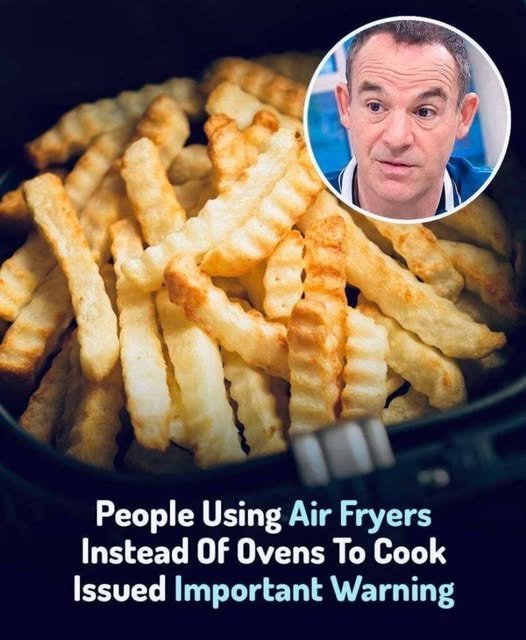
Air fryers have become a popular kitchen appliance because they can cook food quickly while using little or no added oil. They are especially convenient for foods such as chicken, vegetables, potatoes, fish, and frozen snacks.
But does an air fryer really replace a conventional oven?
Not always.
Although air fryers can be an excellent alternative for many smaller meals, experts and food-safety guidance emphasize that the appliance has limitations. Cooking method, food quantity, temperature, ventilation, cleaning, and the type of food being prepared all matter.
Rather than avoiding air fryers altogether, it is more useful to understand when they work well, when an oven is the better choice, and how to use either appliance safely.
Why Air Fryers Are Different From Ovens
An air fryer is essentially a compact convection-style cooking appliance. A fan circulates hot air rapidly around the food, helping the exterior brown and crisp.
A conventional oven generally has a much larger cooking chamber. It can accommodate larger dishes, multiple trays, casseroles, roasts, cakes, and other foods that may not fit comfortably in an air-fryer basket.
The difference is important because air fryers are designed primarily for small batches and rapid cooking, while ovens are more versatile for larger meals.
1. Air Fryers Can Cook Food Very Quickly
One of the biggest advantages of an air fryer is its speed.
Because the cooking chamber is relatively small and hot air circulates close to the food, many foods cook faster than they would in a conventional oven.
That can be convenient, but it also means food can go from perfectly cooked to over-browned or burnt relatively quickly.
Always check cooking progress earlier than you might with an oven recipe, particularly when trying an unfamiliar recipe.
2. Overcrowding Can Affect Cooking
An air fryer works by circulating hot air around the food.
If the basket is packed too tightly, air cannot circulate effectively. The result may be uneven browning, soft spots, or food that takes longer to cook.
This is particularly important with:
- Chicken pieces
- French fries
- Vegetables
- Frozen foods
- Breaded foods
- Fish
For the best results, arrange food in as close to a single layer as practical and cook in batches when necessary.
3. An Oven Is Better for Large Meals
An air fryer may be perfect for one or two servings, but it becomes less practical when you’re preparing food for a large family or gathering.
A conventional oven can accommodate:
- Large casseroles
- Whole chickens
- Large roasts
- Multiple baking trays
- Cakes and larger desserts
- Large quantities of vegetables
- Family-sized baked dishes
Trying to prepare a large meal in a small air-fryer basket may require several batches, which can eliminate some of the convenience.
4. Not Every Recipe Transfers Directly From Oven to Air Fryer
A common mistake is assuming that every oven recipe can simply be placed in an air fryer using the same temperature and cooking time.
That’s not always the case.
Because air fryers circulate hot air more intensely around food, cooking can be faster. You may need to reduce the temperature or shorten the cooking time depending on the recipe and appliance.
Recipes involving liquid batters can also present problems because the batter may not set properly in a basket designed for dry foods.
Always consider the specific food, appliance instructions, and recipe rather than automatically converting oven instructions.
5. Certain Foods Are Better Suited to an Oven
Some foods benefit from the larger, more controlled environment of an oven.
For example, an oven is generally more practical for:
- Large cakes
- Bread loaves
- Lasagna
- Large casseroles
- Family-sized roasts
- Foods requiring a deep baking dish
- Meals that need multiple trays
An air fryer can still be useful for smaller portions of many of these foods, provided the cookware fits and the appliance manufacturer allows it.
6. Air Fryer Safety Still Matters
Air fryers are generally straightforward to use, but they are still electrical cooking appliances that become extremely hot.
Keep the appliance on a stable, heat-resistant surface and follow the manufacturer’s instructions.
Avoid placing it directly against walls, cabinets, curtains, or other materials that could be affected by heat.
Do not block required ventilation openings.
It is also important to keep the power cord and plug away from hot surfaces and water.
7. Regular Cleaning Is Important
Food residue and grease can accumulate in an air fryer.
A dirty appliance can produce smoke and unpleasant odors, especially when grease or crumbs are repeatedly heated.
After allowing the appliance to cool:
- Remove the basket or tray.
- Clean away food particles.
- Wash removable parts according to the manufacturer’s instructions.
- Wipe the interior carefully.
- Make sure everything is completely dry before using it again.
Never immerse the electrical base or heating components in water unless the manufacturer specifically states that the part is designed for it.
8. Burning and Smoking Are Warning Signs
A small amount of smoke can sometimes occur when grease or food residue becomes overheated.
However, persistent smoke, burning smells, sparking, melting, damaged cords, or unusual electrical behavior should not be ignored.
If the appliance appears damaged or behaves abnormally, stop using it and follow the manufacturer’s troubleshooting or replacement guidance.
Do not continue operating an appliance that appears electrically unsafe.
9. Air Frying Does Not Automatically Make Food Healthy
The name “air fryer” can create the impression that anything cooked in one is automatically healthy.
The appliance itself does not determine the nutritional quality of the meal.
For example, cooking vegetables or lightly seasoned chicken with little added oil can fit into a balanced diet. On the other hand, heavily processed, breaded, salty, or high-fat foods remain nutritionally similar foods even when cooked in an air fryer.
The biggest nutritional advantage may come from using less added oil for foods that would otherwise be deep-fried, rather than from the appliance magically changing the food.
10. Be Careful With Very High Temperatures
High-temperature cooking can cause the surface of some foods to brown or darken quickly.
For foods such as potatoes and other starchy foods, avoiding excessive browning is sensible. Cooking until food is appropriately done and golden rather than heavily charred can help reduce unnecessary exposure to compounds associated with very high-temperature cooking.
This does not mean air fryers should be avoided. It means temperature and cooking time should be used appropriately.
Air Fryer vs. Oven: Which Should You Use?
Neither appliance needs to completely replace the other.
Choose an Air Fryer When:
- You are preparing a small portion.
- You want food cooked quickly.
- You want a crisp exterior.
- You want to use little added oil.
- You are reheating foods that benefit from crisping.
- You don’t want to heat a large oven for a small meal.
Choose an Oven When:
- You’re cooking for several people.
- You need a large baking dish.
- You’re preparing a cake or large casserole.
- You need multiple trays.
- You’re cooking a large roast or whole chicken.
- The recipe specifically requires a conventional oven.
Tips for Using an Air Fryer Safely
Follow these simple practices:
Read the manual: Different models have different temperature limits, capacities, and cleaning instructions.
Don’t overload the basket: Good airflow is essential for proper cooking.
Keep ventilation clear: Never cover vents or place the appliance somewhere that restricts airflow.
Monitor food: Air-fried food can brown quickly.
Clean regularly: Remove grease and food debris after the appliance has cooled.
Use appropriate cookware: Only use containers and accessories that are approved for your particular model.
Check meat for doneness: Appearance alone isn’t always reliable. Use a food thermometer when appropriate.
Inspect the appliance: Damaged cords, plugs, baskets, or electrical components should be addressed before continued use.
The Bottom Line
Air fryers are not inherently a bad replacement for an oven. In many situations, they are an efficient and convenient alternative, particularly for small portions and foods that benefit from rapid hot-air circulation.
However, they aren’t a universal substitute for a conventional oven.
Large meals, certain baked dishes, casseroles, and foods requiring more space are often better suited to an oven. At the same time, proper cleaning, ventilation, cooking temperatures, and avoiding overcrowding are important for safe and effective air-fryer use.
The smartest approach is not to choose one appliance for everything. Use the air fryer when its strengths make sense, and use the oven when the recipe or quantity calls for it.
Frequently Asked Questions
Are air fryers safer than ovens?
Neither appliance is automatically safer in every situation. Both require proper electrical use, appropriate temperatures, ventilation, and regular cleaning.
Can an air fryer replace an oven?
For many small meals, yes. But it cannot completely replace the capacity and versatility of a conventional oven.
Why does my air fryer smoke?
Smoke can result from excess grease, food residue, or food being cooked at a temperature that causes accumulated oil to overheat. Persistent smoke or an electrical burning smell should be investigated.
Can I put aluminum foil in an air fryer?
Some manufacturers allow limited use of aluminum foil, while others provide specific restrictions. Always follow the instructions for your particular model and never block airflow or place foil where it could contact the heating element.
Is air-fried food healthy?
Air frying can reduce the amount of added oil needed for some foods, but the nutritional value still depends largely on what you cook and how it is prepared.
Should I clean my air fryer after every use?
Cleaning requirements vary by appliance and food, but removing food debris and grease regularly is important. Follow the manufacturer’s cleaning instructions.
Final Thoughts
The growing popularity of air fryers doesn’t mean your oven has become obsolete. These appliances simply serve different purposes.
An air fryer can be excellent for quick meals, crisp foods, small portions, and reheating. A conventional oven remains valuable for larger meals, baking, roasting, and dishes that require more space.
Instead of asking whether one appliance is better than the other, consider which appliance is appropriate for the food you’re preparing. Used correctly, both can be useful parts of a safe and practical kitchen.
SEO Details
SEO Title: Experts Caution Against Using Air Fryers Instead of Ovens
Meta Description: Air fryers are convenient, but they cannot replace ovens for every recipe. Learn when to use an air fryer, when an oven is better, and important safety tips.
Focus Keyword: air fryer vs oven
Slug: air-fryer-vs-oven-safety
Category: Home & Kitchen
Tags: air fryer, air fryer safety, air fryer vs oven, kitchen safety, cooking tips, oven cooking, healthy cooking, kitchen appliances