The Best Homemade Weed Killer: A Simple Vinegar-Based Solution Without Harsh Herbicides
Weeds can quickly take over cracks in sidewalks, driveway edges, patios, garden paths, and other unwanted areas. If you prefer to avoid commercial herbicides, a simple homemade spray can help dry out and damage the leaves of many young weeds.
One commonly used DIY option is a vinegar-based weed spray. It works primarily by removing moisture from exposed foliage rather than acting like a conventional systemic herbicide. The results can be noticeable within hours in warm, sunny conditions, although complete control may take longer and some weeds may grow back from their roots.
The important thing is to use homemade weed killers carefully. A spray that damages weeds can also damage desirable plants, grass, flowers, and vegetables if it lands on them.
Homemade Weed Killer Recipe
Ingredients
- 1 gallon (about 3.8 liters) white vinegar
- 1 cup table salt
- 1 tablespoon liquid dish soap
What Each Ingredient Does
White vinegar: The acetic acid in vinegar can damage plant tissue when sprayed directly onto leaves.
Salt: Salt can further stress and dehydrate plants. However, it can accumulate in soil and make the area unsuitable for future plant growth, so it should not be used around garden beds or plants you want to keep.
Dish soap: A small amount helps the spray spread across the waxy surface of leaves instead of simply forming droplets.
How to Make the Spray
- Pour the vinegar into a large container.
- Add the salt and stir until it is as dissolved as possible.
- Add the dish soap.
- Mix gently to avoid creating excessive foam.
- Transfer the solution to a labeled spray bottle or garden sprayer.
Always label the container clearly and keep it away from children and pets.
How to Apply It
Choose a warm, dry day when rain is not expected.
- Spray the solution directly onto the leaves of unwanted weeds.
- Wet the foliage thoroughly without creating excessive runoff.
- Avoid spraying desirable plants.
- Allow the treated area to remain dry for several hours.
- Check the weeds after a day or two.
- Persistent weeds may require physical removal or another treatment.
Bright sunlight and warm weather can make foliage-damaging sprays appear to work more quickly.
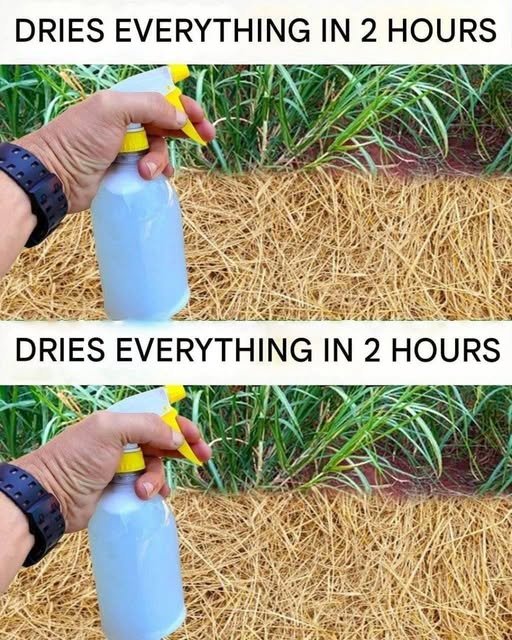
Will It Kill Weeds in 2 Hours?
You may see wilting, browning, or drying of exposed leaves within a few hours, especially on young weeds in hot, sunny weather.
However, two hours should not be treated as a guaranteed killing time.
Many weeds have established root systems. A homemade vinegar spray primarily damages the plant tissue it contacts and may not kill the roots. Perennial weeds can therefore recover and produce new growth.
For better long-term control, remove the roots when practical rather than relying only on a foliar spray.
Where You Can Use It
This type of homemade spray is more appropriate for unwanted vegetation growing in areas such as:
- Cracks in sidewalks
- Driveways
- Patio joints
- Gravel paths
- Fence-line gaps
- Areas where vegetation is not wanted
Be particularly careful around lawns, flower beds, vegetable gardens, and planted borders.
Important: Don’t Spray It Around Plants You Want to Keep
This mixture is not selective.
If the spray contacts desirable plants, their leaves can also be damaged. Even overspray or runoff can cause problems.
For garden beds, hand-pulling, hoeing, mulching, or carefully cutting weeds at ground level is often a better approach.
What About Salt?
Salt deserves special attention.
Although it can make a homemade weed spray more aggressive, salt can remain in the soil. Excessive salt may interfere with the ability of plants to take up water and can make soil difficult to grow plants in.
For this reason, avoid using salt-based weed killers where you intend to grow flowers, vegetables, herbs, or grass later.
If your goal is simply to clear vegetation from a small crack in a paved surface, the consequences are different than treating an area of productive soil.
A Salt-Free Alternative
If you’re concerned about soil damage, you can leave the salt out and use:
- White vinegar
- A small amount of liquid dish soap
This may still damage exposed weed foliage while reducing the risk of deliberately adding salt to the soil.
Keep in mind that vinegar is still capable of damaging desirable plants, so careful application remains important.
Natural Ways to Prevent Weeds From Coming Back
Killing existing weeds is only part of the solution. Prevention can reduce the amount of work you have to do later.
Pull Weeds After Rain
Moist soil makes it easier to remove many weeds with their roots.
Add Mulch
A layer of organic mulch can block sunlight and make it harder for many weed seeds to establish.
Keep Cracks Clean
Remove accumulated soil and organic debris from pavement cracks before weeds become established.
Remove Weeds While They’re Young
Small weeds are generally easier to remove before they develop large root systems and produce seeds.
Improve Garden Ground Cover
Healthy, densely planted garden areas leave fewer open spaces for weeds to establish.
Common Mistakes to Avoid
Spraying before rain: Rain can wash the solution away before it has time to affect the foliage.
Spraying on windy days: Wind can carry droplets onto flowers, vegetables, grass, or other desirable plants.
Using excessive salt: More salt does not necessarily make the method better and can create long-lasting soil problems.
Expecting vinegar to eliminate every perennial weed: Deep-rooted weeds may return after the leaves are damaged.
Spraying everything indiscriminately: Homemade does not mean harmless. The solution can damage plants you want to keep.
Safety Tips
Wear gloves and avoid getting the solution in your eyes or on your skin. Do not spray near ponds, streams, or other water bodies, and avoid creating unnecessary runoff.
Never mix homemade weed killers with bleach, ammonia, or commercial herbicides. Combining household chemicals can create dangerous reactions.
Keep the prepared solution in a clearly labeled container and store it safely away from children and pets.
Final Thoughts
A vinegar-based homemade weed spray can be a useful option for dealing with small patches of unwanted vegetation, particularly on hard surfaces such as driveways, patios, and sidewalk cracks.
However, the popular claim that it will “dry everything in two hours” is too strong. You may notice visible drying within a few hours under favorable conditions, but results vary by weed species, weather, plant maturity, and the condition of the plant.
For long-term weed control, combine targeted treatment with hand removal, mulching, and prevention rather than relying on a single homemade spray.
SEO Details
SEO Title: Best Homemade Weed Killer Without Harsh Herbicides
Meta Description: Learn how to make a simple homemade vinegar weed killer, how it works, where to use it, and why careful application matters.
Focus Keyword: homemade weed killer
Slug: best-homemade-weed-killer
Category: Home & Garden
Tags: homemade weed killer, natural weed killer, vinegar weed killer, garden tips, weed removal, gardening hacks, home remedies for weeds