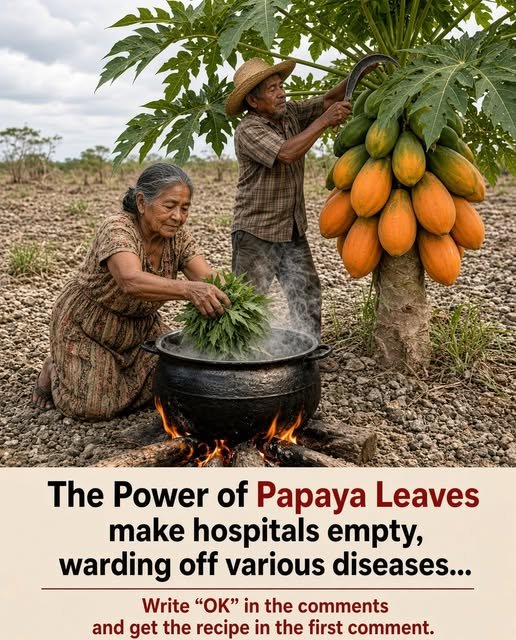
Papaya leaves have been used traditionally in several countries as a home remedy, especially during dengue fever, when platelet counts can fall. One popular preparation involves boiling fresh papaya leaves in water and drinking the resulting liquid.
You may see recipes recommending a glass in the morning and another in the evening for seven days. But does boiled papaya leaf water actually work, and is this routine safe?
The answer is more complicated than social-media claims suggest.
Research has investigated Carica papaya leaf extract and juice, particularly for dengue-associated thrombocytopenia (low platelet counts). Some clinical studies have reported faster increases in platelet counts, but researchers have also emphasized that the evidence is not strong enough to establish papaya leaf preparations as a proven dengue treatment.
Why Do People Drink Papaya Leaf Water?
The interest in papaya leaves largely comes from their traditional use during dengue fever.
Dengue can cause a temporary reduction in platelet counts. Because platelets are involved in blood clotting, a low count can be concerning, especially when accompanied by bleeding or other complications.
Some studies have found that standardized papaya leaf extracts may increase platelet counts in people with dengue. For example, a randomized controlled study involving 300 dengue patients reported a significant increase in platelet counts among those receiving a standardized papaya leaf extract.
However, an increase in platelets is not the same thing as proving that the treatment prevents severe dengue, bleeding, shock, or death.
What Does the Research Actually Show?
The evidence is promising but limited.
A systematic review and meta-analysis found that papaya leaf extract was associated with an increase in platelet counts in dengue patients. However, the researchers noted that larger, higher-quality clinical trials were needed before firm conclusions could be made.
Another systematic review found that several studies reported increased platelet counts, but concluded that the overall evidence was insufficient to establish the clinical value of papaya extract for dengue.
Importantly, studies have generally used specific extracts, juices, capsules, or standardized preparations. That does not mean that a homemade drink made by boiling random amounts of papaya leaves has the same dose, concentration, or safety profile.
A Simple Traditional Preparation
If you are discussing papaya leaf tea as a traditional beverage rather than as a treatment, a commonly described preparation is:
Ingredients
- 1–2 fresh papaya leaves
- 2–3 cups water
Preparation
- Wash the leaves thoroughly under clean running water.
- Remove damaged or heavily soiled portions.
- Chop the leaves into smaller pieces.
- Place them in a saucepan with the water.
- Simmer gently for approximately 20–30 minutes.
- Strain the liquid and allow it to cool.
- If consumed, use a small amount rather than assuming that more is better.
There is no scientifically established homemade recipe that proves two glasses daily for seven days is the correct or effective dose.
Can Papaya Leaf Tea Increase Platelets?
Possibly, particularly in the context of dengue—but the evidence is not definitive.
Clinical research has reported increases in platelet counts following papaya leaf preparations. A small randomized trial involving adults with severe dengue-associated thrombocytopenia also reported faster platelet recovery in the treatment group.
However, platelet counts naturally change during dengue as the illness progresses. Therefore, an increase in platelets after drinking papaya leaf preparations does not necessarily prove that the leaves alone caused the improvement.
More importantly, platelet count is only one part of assessing dengue severity.
Papaya Leaves Are Not a Cure for Dengue
This is the most important point.
Papaya leaf tea should not be presented as a cure for dengue or as a replacement for medical monitoring.
Dengue can sometimes progress to severe disease, and appropriate medical assessment is important. WHO guidance emphasizes proper diagnosis, monitoring, supportive care, and recognition of warning signs.
Someone with suspected or confirmed dengue should follow the treatment and monitoring plan provided by a healthcare professional.
Is Drinking Papaya Leaf Water Safe?
Short-term consumption of papaya leaf preparations has generally been tolerated in studies, but safety is not guaranteed for every person or every preparation.
A systematic review of the safety literature found that minor gastrointestinal symptoms were among the more commonly reported adverse effects. The review also identified concerns about possible liver effects and reproductive toxicity based on animal research, as well as potential interactions with certain medicines.
Because homemade preparations are not standardized, the actual amount of active compounds can vary considerably.
Extra caution is appropriate if you:
- Are pregnant or trying to become pregnant
- Have liver disease
- Take diabetes medicines
- Take several prescription medicines
- Are giving the preparation to a child
- Have a history of allergies to papaya or related plants
People taking medication should discuss herbal preparations with their doctor or pharmacist rather than assuming that “natural” means risk-free.
What About Diabetes?
Papaya leaves are sometimes promoted online for blood sugar control, but that does not make papaya leaf tea an established diabetes treatment.
People taking glucose-lowering medicines should be particularly careful because combining herbal preparations with medication may potentially affect blood glucose or medication effects. The safety literature has identified possible interactions involving some oral diabetes medicines.
Never replace prescribed diabetes medication with papaya leaf tea.
What About Cancer, High Blood Pressure, or Other Diseases?
Papaya leaves contain numerous plant compounds and have been investigated in laboratory and animal research.
That does not establish papaya leaf tea as a treatment for cancer, hypertension, diabetes, infections, or other serious diseases.
A laboratory finding is very different from demonstrating that a homemade tea improves outcomes in human patients.
The Bottom Line
Boiled papaya leaf water is a traditional remedy that has attracted scientific interest, particularly because some studies suggest that standardized papaya leaf preparations may increase platelet counts in dengue patients.
But the evidence remains insufficient to recommend a homemade preparation—such as one glass in the morning and another at night for seven days—as a proven treatment.
If someone has dengue or suspected dengue, medical assessment and monitoring should come first. Papaya leaf preparations should never be used to delay professional care, particularly when warning signs or significant bleeding are present.
SEO Details
SEO Title: Papaya Leaf Tea: Benefits, Uses, Safety & What Research Says
Meta Description: Learn what research says about boiled papaya leaf tea, platelet counts, dengue, possible benefits, safety concerns, and why it should not replace medical care.
Focus Keyword: papaya leaf tea
Slug: papaya-leaf-tea-benefits-safety
Category: Natural Remedies & Wellness
Tags: papaya leaves, papaya leaf tea, papaya leaf benefits, dengue and papaya leaves, natural remedies, herbal tea, platelet count, wellness