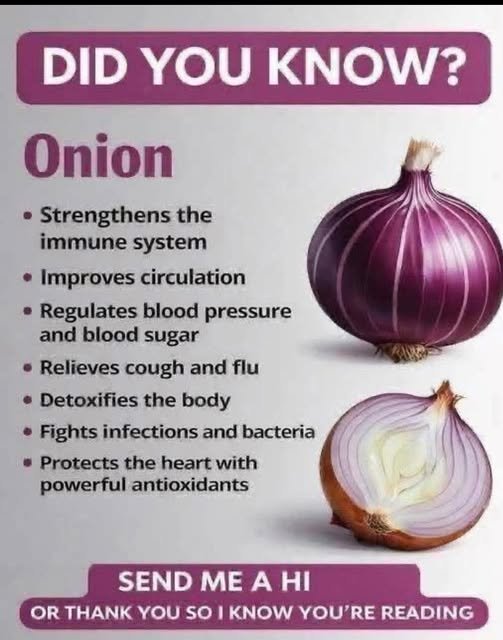
Eat Red Onions for Women: Potential Benefits and What to Know
Red onions are more than just a flavorful addition to salads, curries, sandwiches, and cooked meals. They contain fiber, vitamin C, antioxidants, and sulfur-containing plant compounds that can contribute to a healthy diet.
For women, eating red onions regularly may support several aspects of overall health. However, it’s important to separate the potential benefits of onions from exaggerated claims that they can specifically “balance hormones,” cure reproductive problems, or dramatically improve fertility. There isn’t strong evidence for those claims.
1. Rich in Antioxidants
Red onions contain antioxidants, including quercetin and anthocyanins. Anthocyanins are responsible for much of the red-purple color of red onions.
Antioxidants help protect cells from oxidative stress and are an important part of a diet rich in fruits and vegetables.
2. Supports Heart Health
Eating vegetables such as onions as part of a balanced diet can contribute to cardiovascular health.
Red onions contain flavonoid compounds that have been studied for their potential effects on blood vessels and cardiovascular function. However, eating onions should be viewed as part of an overall heart-healthy diet rather than a treatment for high blood pressure or cholesterol.
3. May Support Healthy Blood Sugar
Onions contain sulfur compounds and flavonoids that have been investigated for their possible effects on glucose metabolism.
Adding red onions to meals can be a nutritious choice, particularly when they replace highly processed or calorie-dense ingredients. However, red onions should not be used as a substitute for diabetes medication.
4. Provides Vitamin C
Red onions provide vitamin C, an essential nutrient involved in immune function, collagen production, and iron absorption.
Including onions alongside foods containing plant-based iron may help support iron absorption because vitamin C improves the absorption of non-heme iron.
5. May Support Digestive Health
Onions contain prebiotic carbohydrates, which can serve as food for beneficial bacteria in the gut.
A healthy gut microbiome is associated with numerous aspects of overall health. However, onions can also cause bloating or gas in some people because they contain fermentable carbohydrates.
If you have a sensitive stomach, start with a small amount.
6. Helpful During Menopause?
You may see claims that red onions can dramatically improve menopause symptoms or restore estrogen levels. These claims are not well established in human research.
Red onions are nutritious and can certainly be included in a healthy diet during menopause, but they shouldn’t be considered a hormone treatment.
During menopause, a balanced diet containing vegetables, fruits, protein, whole grains, healthy fats, and adequate calcium and vitamin D is much more important than any single food.
7. Supports Healthy Skin
The vitamin C and antioxidant compounds found in red onions can contribute to overall skin health as part of a nutritious diet.
Vitamin C is particularly important for collagen production. However, eating onions won’t eliminate wrinkles, dark spots, or other skin problems by itself.
8. May Support Bone Health
Some research has investigated onions and bone health, particularly the possibility that certain compounds in onions may influence bone metabolism.
However, the evidence isn’t strong enough to recommend red onions as a treatment or prevention strategy for osteoporosis.
For women concerned about bone health, adequate calcium, vitamin D, protein, resistance exercise, and appropriate medical care are much more important.
9. How Much Red Onion Should You Eat?
There isn’t a medically established daily amount specifically for women.
A practical approach is simply to include red onion as one of the vegetables in your normal diet.
You can add it to:
- Fresh salads
- Omelets
- Sandwiches
- Wraps
- Bean dishes
- Lentil curry
- Grilled meat
- Stir-fries
- Homemade salsa
- Soups and stews
Both raw and cooked onions can be nutritious. Cooking changes some compounds, but it doesn’t make onions nutritionally useless.
Raw vs. Cooked Red Onion
Raw red onion provides a stronger flavor and retains some heat-sensitive compounds that can be reduced by cooking.
Cooked red onion becomes sweeter and easier to digest for some people.
There’s no need to eat it raw if you don’t enjoy it. Including onions in a variety of meals is more realistic and sustainable.
Who Should Be Careful?
Some people experience bloating, gas, abdominal discomfort, or heartburn after eating onions.
If you have IBS or follow a low-FODMAP diet, onions may be particularly problematic because they are high in fructans.
People taking medication for blood sugar, blood pressure, or other conditions shouldn’t use large quantities of onion or onion supplements as a replacement for prescribed treatment.
Final Thoughts
Red onions are a nutritious, inexpensive vegetable that can easily be included in a woman’s everyday diet. Their antioxidants, vitamin C, fiber, and prebiotic compounds may contribute to heart health, digestive health, immune function, and overall nutrition.
The key is not to think of red onions as a miracle food. Instead, enjoy them regularly as part of a varied diet containing plenty of vegetables, fruits, whole grains, protein, and healthy fats.
Meta Description
Discover the potential benefits of eating red onions for women, including antioxidants, vitamin C, digestive support, heart health, blood sugar, and healthy skin.