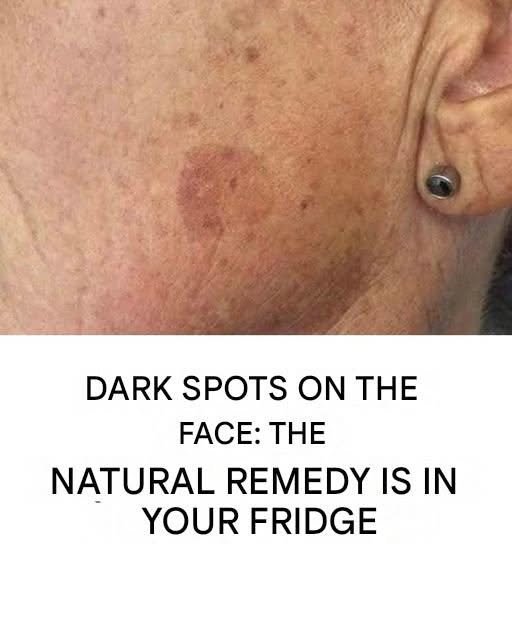
When a stubborn blemish appears, it’s tempting to reach for a quick homemade solution. Beauty advice online often suggests adding a common kitchen or household ingredient to your favorite face cream and applying the mixture directly to problem areas.
But there’s an important question to ask first: does the ingredient actually help blemishes, or could it irritate your skin and make things worse?
Instead of promising an overnight transformation, let’s look at what you should consider before mixing anything into your moisturizer.
Why Mixing Ingredients Into Face Cream Can Be Risky
A facial moisturizer is formulated with a specific balance of ingredients, preservatives, and pH. Adding another substance can change that formulation.
The result may be:
- More irritation
- Dryness or peeling
- Increased sensitivity
- Clogged pores
- A disrupted skin barrier
- An unexpected reaction between ingredients
Even a natural ingredient isn’t automatically safe for facial skin.
What Actually Helps With Blemishes?
The best treatment depends on what you mean by “blemishes.” Dark spots, acne, clogged pores, redness, and post-acne marks can look similar but often require different approaches.
For occasional acne, ingredients with established uses include salicylic acid and benzoyl peroxide. For persistent acne or post-acne marks, other treatments may be appropriate depending on your skin type and the underlying cause.
A simple routine is often a better starting point than experimenting with multiple DIY ingredients.
A Gentle Routine for Blemish-Prone Skin
Morning
Start with a gentle cleanser and follow with a non-comedogenic moisturizer.
The most important step is broad-spectrum sunscreen. Sun exposure can make dark marks left behind after blemishes more noticeable and can slow their fading.
Evening
Cleanse gently and apply a moisturizer.
If you’re using an acne treatment, introduce one active ingredient at a time and follow the product’s directions. Using several strong products simultaneously can increase irritation without necessarily improving results.
Don’t Pick or Squeeze Blemishes
It can be difficult to leave a pimple alone, but squeezing or picking can increase inflammation and raise the risk of lingering marks and scarring.
Instead, keep the area clean and use an appropriate acne treatment.
Be Careful With Viral DIY Ingredients
Some popular skincare hacks recommend toothpaste, baking soda, lemon juice, vinegar, undiluted essential oils, or other household ingredients.
These products may cause burning, dryness, irritation, or damage to the skin barrier. A temporary drying or tightening sensation should not be mistaken for effective treatment.
Patch Testing Is Still Important
Whenever you introduce a new skincare product, consider testing a small amount on an inconspicuous area first.
Stop using it if you develop significant burning, swelling, itching, or persistent redness.
When Should You See a Dermatologist?
Consider professional advice if you have:
- Frequent or painful breakouts
- Deep or cystic acne
- Significant acne scarring
- Blemishes that keep returning
- Dark marks that aren’t fading
- A sudden unexplained change in your skin
- Persistent irritation from skincare products
A dermatologist can help determine whether you’re dealing with acne, pigmentation, dermatitis, or another skin condition.
Final Thoughts
There isn’t one ingredient that can simply be mixed into any cream and make every facial blemish disappear. Skincare results usually come from identifying the cause of the problem and using products that are appropriate for it.
Rather than chasing an overnight DIY fix, focus on gentle cleansing, moisturizing, sun protection, and evidence-based treatments. Your skin’s barrier is worth protecting—and a little patience is often safer than an aggressive home remedy.