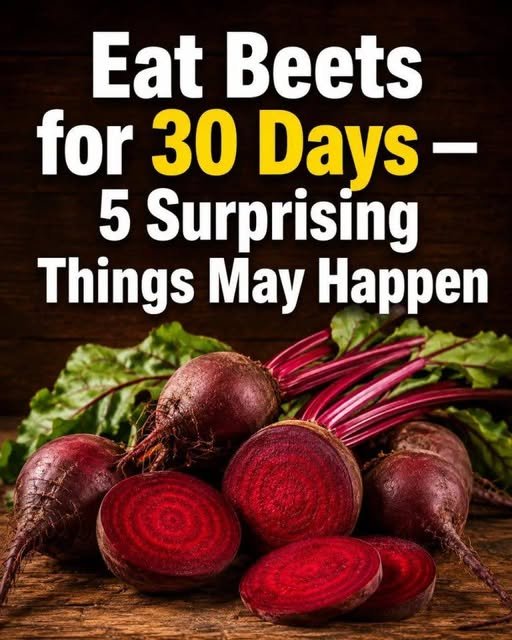
Beets are more than a colorful addition to salads and side dishes. They contain dietary nitrates, folate, potassium, fiber, betalain pigments, and other plant compounds that have been studied for their potential effects on cardiovascular health, exercise performance, and overall nutrition.
Fermented beets offer many of the same nutrients found in fresh beets, while fermentation can introduce beneficial microorganisms and change the food’s flavor, texture, acidity, and some of its bioactive compounds.
But there is an important distinction: beets are a nutritious food, not a cure for disease, and fermented beets should not be treated as a replacement for prescribed medical treatment.
Let’s look at what research actually supports.
1. Beets Are Naturally Rich in Dietary Nitrates
One of the most studied components of beets is dietary nitrate.
After consumption, some dietary nitrate can be converted by the body into nitrite and then nitric oxide. Nitric oxide plays an important role in blood-vessel function and helps regulate vascular tone.
Research involving beetroot and beetroot juice has found that nitrate-rich beet products can increase nitric oxide availability and may produce a modest reduction in blood pressure in some people.
This does not mean that eating beets cures hypertension. The effect varies between individuals and depends on factors such as the amount consumed, the form of beet, and overall health.
2. They May Support Healthy Blood Pressure
Beetroot has received considerable attention for its potential cardiovascular benefits.
Clinical studies and systematic reviews have reported that nitrate-rich beetroot products can lower blood pressure, particularly systolic blood pressure, in some populations.
The proposed mechanism involves conversion of nitrate into nitric oxide, which can help blood vessels relax and widen.
However, beetroot should be viewed as part of a heart-healthy eating pattern rather than a stand-alone treatment.
If you have high blood pressure, continue taking prescribed medication and follow your healthcare professional’s recommendations.
3. Beets May Help Exercise Performance
Beetroot is also popular among athletes because dietary nitrate may improve the efficiency of oxygen use during certain types of exercise.
Studies have found that beetroot juice or concentrated nitrate-rich beet products can improve some measures of exercise performance and reduce the amount of oxygen required for a given workload.
The effect isn’t necessarily dramatic, and not everyone responds in the same way.
For recreational exercisers, simply including beets as part of a balanced diet is a nutritious option. Athletes considering concentrated beetroot supplements should also consider dosage, timing, gastrointestinal tolerance, and interactions with their individual diet and medications.
4. Beets Provide Folate
Beets are a useful source of folate, a B vitamin needed for DNA synthesis, cell division, and normal red blood cell production.
Folate is particularly important during periods of rapid cell growth, including pregnancy.
Eating beets alongside other vegetables, legumes, leafy greens, whole grains, and other nutrient-rich foods can contribute to overall folate intake.
5. They Contain Potassium and Other Minerals
Beets provide potassium along with smaller amounts of other minerals.
Potassium is involved in:
- Normal muscle contraction
- Nerve function
- Fluid balance
- Normal heart function
For most healthy adults, obtaining potassium from a varied diet is preferable to relying on supplements.
People with kidney disease or certain medical conditions may need to limit potassium, however, so dietary changes should be individualized.
6. Beets Supply Dietary Fiber
Whole beets contain dietary fiber, which supports normal digestive function.
Fiber can help:
- Promote regular bowel movements
- Support a healthy gut environment
- Increase fullness after meals
- Contribute to healthy cholesterol levels as part of an overall high-fiber diet
Juicing beets removes much of the fiber found in the whole vegetable.
If your goal is to maximize fiber intake, eating whole or minimally processed beets is generally preferable to drinking beet juice.
7. Beets Contain Betalains and Other Antioxidant Compounds
The deep red and purple colors of many beets come largely from pigments called betalains.
These compounds have antioxidant and anti-inflammatory activity in laboratory and experimental research.
Beets also contain other plant compounds that contribute to their nutritional value.
However, laboratory antioxidant activity does not automatically mean that eating beets prevents a particular disease in humans. Human health outcomes depend on the entire diet and many other factors.
8. Beets May Support Cardiovascular Health
The combination of dietary nitrates, fiber, potassium, folate, and plant compounds makes beets a useful addition to a heart-conscious diet.
Potential cardiovascular benefits are particularly interesting because blood pressure, vascular function, cholesterol, physical activity, body weight, smoking, sleep, and overall dietary quality all influence cardiovascular risk.
A serving of beets cannot undo an otherwise unhealthy lifestyle, but it can contribute to a dietary pattern associated with better cardiovascular health.
9. What About Fermented Beets?
Fermented beets are made by allowing naturally occurring microorganisms to ferment the sugars in the vegetable, usually in a salty brine.
During fermentation, bacteria produce acids and other compounds that change the food.
Depending on the fermentation process, fermented vegetables may contain live microorganisms, although the number and types of microbes can vary considerably.
Fermented beets may therefore provide an additional food source of microbial cultures while retaining many nutrients and plant compounds from the beet itself.
However, the health effects of fermented beets specifically have not been studied as extensively as those of beetroot or beetroot juice.
10. Fermented Foods May Support the Gut Microbiome
Fermented foods are an area of growing scientific interest.
Some controlled human research on fermented foods suggests that regularly consuming a variety of fermented foods may influence the gut microbiome and markers of inflammation.
But it is important not to make the leap from this research to the claim that fermented beets specifically “heal the gut,” cure digestive disorders, or eliminate harmful bacteria.
The evidence is more nuanced.
Fermented beets can be a flavorful way to include a fermented vegetable in your diet, but they are only one component of a much larger dietary pattern.
11. Fermentation May Change the Nutritional Profile
Fermentation isn’t simply a preservation technique.
Microorganisms can transform carbohydrates and other compounds during fermentation. This can alter flavor, acidity, texture, and the availability of certain nutrients and plant compounds.
The exact changes depend on:
- The microorganisms involved
- Fermentation time
- Temperature
- Salt concentration
- Oxygen exposure
- Beet variety
- Storage conditions
For that reason, fermented beet products can differ substantially from one another.
12. A Simple Fermented Beet Recipe
If you want to make fermented beets at home, cleanliness and proper fermentation practices are important.
Ingredients
- 3–4 medium fresh beets
- 2 cups non-chlorinated water
- 1 tablespoon non-iodized salt
- 1–2 garlic cloves, optional
- A small piece of fresh ginger, optional
- Clean glass fermentation jar
Method
- Wash and peel the beets.
- Cut them into small wedges or cubes.
- Place the beets into a clean fermentation jar.
- Add garlic or ginger if desired.
- Dissolve the salt completely in the water.
- Pour the brine over the beets until they are completely submerged.
- Keep the vegetables below the surface of the brine using a suitable fermentation weight.
- Cover the jar according to the instructions for your fermentation vessel.
- Allow the beets to ferment under appropriate conditions until they develop a pleasantly sour flavor.
- Once fermentation is complete, refrigerate them.
For home fermentation, use a tested, reliable fermentation method and follow appropriate food-safety guidance. If you see visible mold, unusual colors, a foul smell, or other signs of spoilage, discard the batch rather than tasting it.
13. Important: Fermented Beets Can Be High in Sodium
This is one area where fermented beets may differ significantly from fresh beets.
Salt is commonly used during vegetable fermentation, meaning the finished product can contain considerably more sodium.
If you have high blood pressure, kidney disease, heart disease, or have been advised to limit sodium, take the sodium content of fermented vegetables into account.
Fresh or roasted beets may be a better everyday option if sodium intake is a concern.
14. Beets Can Change the Color of Urine and Stool
Don’t be alarmed if your urine or stool becomes pink, red, or reddish-purple after eating beets.
This harmless phenomenon is commonly called beeturia.
The intensity varies from person to person and depends on factors including the amount eaten and individual differences in digestion and metabolism.
However, if you notice unexplained blood in your urine or stool when you have not recently eaten beets, seek medical advice rather than assuming it is beet-related.
15. What Beets Cannot Do
Despite numerous claims online, beets have not been proven to:
- “Detox” the liver
- Clean clogged arteries
- Cure diabetes
- Dissolve kidney stones
- Cure cancer
- Replace blood-pressure medication
- Instantly improve circulation
- Remove toxins from the blood
- Cause rapid, guaranteed weight loss
Beets can be part of a nutritious diet, but they should not be presented as a cure-all.
Fresh Beets vs. Beet Juice vs. Fermented Beets
Each form has its own characteristics.
Fresh or cooked whole beets:
Provide fiber, nitrates, folate, potassium, and plant compounds.
Beet juice:
Provides concentrated beet compounds and dietary nitrate but contains little of the fiber found in whole beets.
Fermented beets:
Provide beet nutrients while fermentation changes their flavor, acidity, texture, and microbial profile. Depending on preparation, they may also contain live microorganisms and substantial sodium.
There is no need to choose only one. Variety can be useful.
How to Add Beets to Your Diet
Try adding beets to:
- Salads
- Grain bowls
- Roasted vegetable dishes
- Hummus
- Soups
- Smoothies
- Yogurt-based dips
- Sandwiches
- Pickled or fermented vegetable plates
Roasting beets with olive oil, black pepper, and herbs is one of the simplest ways to enjoy them.
Who Should Be Cautious?
Beets are generally safe as a food for most people, but some individuals may need to pay closer attention to their intake.
People with a history of calcium oxalate kidney stones may be advised to moderate high-oxalate foods, including beets, depending on their individual situation.
People who need to restrict potassium should also discuss appropriate portions with their healthcare professional.
Fermented beets may contain substantial sodium, which matters for people following a sodium-restricted diet.
If you take medication for blood pressure or have a medical condition affected by dietary potassium or sodium, discuss major dietary changes with your healthcare professional.
The Bottom Line
Beets are a nutrient-rich vegetable with some well-studied potential benefits, particularly related to dietary nitrate, blood-vessel function, blood pressure, and exercise performance.
Fermented beets offer another way to enjoy this vegetable and may provide live microorganisms when fermentation is successful, but research specifically on fermented beets is more limited than research on beetroot and beetroot juice.
The most sensible approach is to enjoy beets as part of a varied diet rich in vegetables, fruits, whole grains, legumes, nuts, seeds, and other minimally processed foods.
They can be a valuable part of a healthy eating pattern—but no beet recipe, juice, or fermented food can replace appropriate medical care.