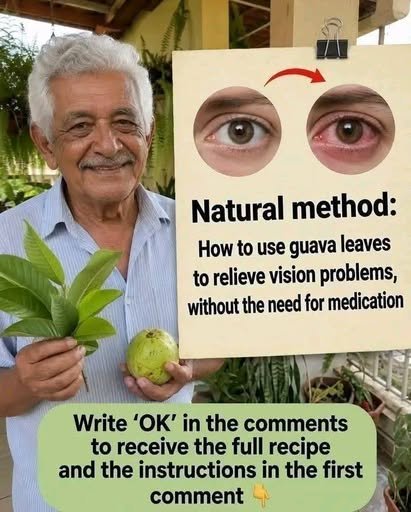
If you spend long hours looking at a phone or computer, you may experience tired, dry, or uncomfortable eyes. As we get older, changes in vision can also become more noticeable. This has led to many traditional remedies being promoted online, including claims that guava leaves can treat eye problems, improve eyesight, or relieve eye pain and strain.
Guava leaves contain plant compounds with antioxidant activity, and guava fruit itself is a nutritious source of vitamin C and other nutrients. However, there is not enough reliable clinical evidence to say that placing guava leaves or guava-leaf preparations on the eyes can improve vision, treat eye disease, or reverse age-related vision changes.
That distinction is important because some eye conditions require proper examination and treatment.
Why Are Guava Leaves Used Traditionally?
Guava leaves have been used traditionally in various forms, including teas and topical preparations. Laboratory research has identified compounds in guava leaves with antioxidant and other biological properties.
But laboratory findings do not automatically mean that a homemade guava-leaf preparation will produce the same effect in human eyes.
There is currently no established guava-leaf treatment that can replace an eye examination or proven treatment for vision problems.
Can Guava Leaves Improve Eyesight?
There is no good evidence that guava leaves can restore blurry vision, reverse cataracts, correct refractive errors, or permanently improve eyesight.
Blurred vision can have many causes, including:
- Nearsightedness or farsightedness
- Astigmatism
- Dry eyes
- Cataracts
- Glaucoma
- Diabetes-related eye disease
- Age-related changes
- Eye infections or inflammation
The appropriate treatment depends on the underlying cause.
What About Eye Strain From Screens?
Long periods of screen use can contribute to temporary eye discomfort, dryness, blurred vision, headaches, and difficulty focusing.
Instead of putting homemade herbal preparations into or around the eyes, try safer habits:
Follow the 20-20-20 Rule
Every 20 minutes, look at something about 20 feet away for at least 20 seconds.
Blink More Often
People tend to blink less when concentrating on screens. Deliberately blinking regularly can help keep the surface of the eyes comfortable.
Adjust Your Screen
Keep your screen at a comfortable distance and reduce glare. Adjust brightness and text size so you don’t have to strain to see.
Take Regular Breaks
If your eyes feel tired, step away from the screen for several minutes and allow them to relax.
Consider Artificial Tears
For persistent dryness, preservative-free artificial tears may be useful for some people. A pharmacist, optometrist, or doctor can help you choose an appropriate product.
Is Guava Fruit Good for a Healthy Diet?
Guava fruit can certainly be part of a healthy diet.
It provides vitamin C, fiber, and other nutrients. Eating a variety of fruits and vegetables helps provide the nutrients needed for overall health.
However, eating guava should be viewed as part of good nutrition—not as a treatment for an existing eye condition.
Why You Shouldn’t Put Guava Leaves Directly on Your Eyes
Homemade preparations are not sterile. Leaves may carry dirt, microorganisms, plant residues, or other substances that can irritate the eye.
Applying unsterilized liquids, crushed leaves, or herbal extracts directly to the eye could potentially cause irritation or infection.
The eye is particularly sensitive, so a remedy that is harmless when eaten is not necessarily safe when applied directly to the eye.
When Should You Have Your Eyes Checked?
Don’t rely on home remedies if you notice a significant or persistent change in your vision.
Seek professional eye care if you experience:
- Persistent blurred vision
- Sudden loss of vision
- New flashes of light
- A sudden increase in floaters
- Significant eye pain
- Severe redness
- Light sensitivity
- Double vision
- A curtain or shadow appearing across your vision
Sudden vision loss or severe eye pain should be treated as an urgent medical problem.
Simple Habits for Long-Term Eye Health
Protecting your eyesight is more valuable than relying on a single herbal remedy.
Helpful habits include:
- Have regular eye examinations when recommended.
- Manage conditions such as diabetes and high blood pressure.
- Don’t smoke.
- Wear appropriate sunglasses outdoors.
- Eat a varied, nutrient-rich diet.
- Take regular breaks from prolonged screen use.
- Use protective eyewear when there is a risk of eye injury.
- Follow prescribed treatment for existing eye conditions.
The Bottom Line
Guava leaves are an interesting traditional plant remedy, and guava itself is a nutritious fruit. However, there is not enough clinical evidence to conclude that guava leaves can improve eyesight, cure eye problems, or eliminate age-related vision changes.
If your eyes feel tired after a long day of screen use, simple measures such as regular breaks, frequent blinking, and reducing screen glare are safer choices. And if your vision is changing, an eye examination is far more important than experimenting with homemade remedies.
Natural does not automatically mean safe for the eyes. When it comes to vision, protecting your eyes with evidence-based care should always come first.