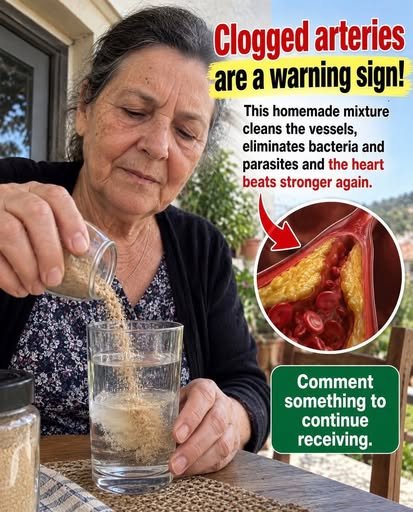
When cholesterol and other substances build up inside an artery, the vessel can gradually become narrower. This condition, called atherosclerosis, can reduce blood flow and increase the risk of serious cardiovascular problems, including heart attack and stroke.
That is why claims about a simple homemade mixture that can “unblock arteries,” destroy bacteria and parasites, and make the heart pump freely again can sound very appealing.
But there is an important distinction between supporting heart health and removing an established arterial blockage.
No kitchen remedy has been established as a treatment that can physically clear a significant coronary artery blockage. When coronary arteries are seriously narrowed or blocked, treatment may involve lifestyle changes, cholesterol-lowering medication, and, in some cases, procedures such as angioplasty with a stent or coronary artery bypass surgery.
What Actually Causes Arteries to Become Clogged?
Atherosclerosis develops gradually. LDL cholesterol can contribute to plaque formation inside artery walls, where cholesterol combines with other substances to form deposits.
As plaque accumulates, arteries can become narrower and less flexible. If a plaque ruptures, a blood clot can form and further obstruct blood flow. When blood flow to part of the heart becomes severely or completely blocked, a heart attack can occur.
Risk factors include:
- High LDL cholesterol
- High blood pressure
- Diabetes
- Smoking
- Obesity
- Physical inactivity
- Family history of cardiovascular disease
- An unhealthy diet
Some people can have significant coronary artery disease without obvious symptoms until a serious complication occurs.
Can a Homemade Drink Unclog an Artery?
This is where viral health claims often go too far.
A drink made from ingredients such as lemon, garlic, ginger, turmeric, honey, or other kitchen ingredients may provide nutrients or plant compounds, but that does not mean it can dissolve established cholesterol plaque inside a coronary artery.
Heart-healthy foods can be part of an overall strategy for lowering cardiovascular risk, but they should not be confused with a treatment for an existing blockage.
The American Heart Association recommends a diet rich in vegetables, fruits, whole grains, beans, nuts, and other nutritious foods while limiting saturated and trans fats. Regular physical activity, avoiding tobacco, maintaining a healthy weight, and controlling cholesterol, blood pressure, and blood sugar are also important.
What About Bacteria and Parasites?
Another common claim is that a particular homemade mixture can “kill bacteria and parasites” throughout the body.
This is also misleading.
Some herbs and spices contain compounds with antimicrobial activity in laboratory studies, but that does not mean eating or drinking them can diagnose or eliminate an infection inside the human body.
Suspected bacterial or parasitic infections require appropriate medical evaluation and, when necessary, specific treatment. A homemade drink should never replace prescribed antimicrobial or antiparasitic treatment.
What Really Helps Lower Cardiovascular Risk?
The good news is that there are evidence-based ways to protect your arteries.
1. Keep LDL Cholesterol Under Control
LDL cholesterol is an important contributor to plaque formation. Depending on a person’s cardiovascular risk, healthcare professionals may recommend lifestyle changes, cholesterol-lowering medication, or both.
Statins and other cholesterol-lowering medicines can help reduce LDL cholesterol and slow plaque progression in appropriate patients.
2. Eat More Heart-Healthy Foods
Build meals around:
- Vegetables
- Fruits
- Whole grains
- Beans and lentils
- Nuts and seeds
- Fish
- Lean protein
- Healthy unsaturated fats
At the same time, limit foods high in saturated and trans fats, highly processed foods, excess sodium, added sugars, and processed meats.
3. Stay Physically Active
Regular physical activity can help improve cholesterol levels and support healthy blood pressure, body weight, and cardiovascular fitness.
Even simple activities such as brisk walking can become part of a heart-healthy routine.
4. Don’t Smoke
Smoking damages blood vessels and substantially increases cardiovascular risk. Avoiding tobacco and secondhand smoke is one of the important steps for protecting vascular health.
5. Take Prescribed Medication Correctly
If a doctor has prescribed a cholesterol-lowering medication, blood-pressure medication, or another cardiovascular medicine, don’t replace it with a homemade remedy.
Some people need medication even when they eat well and exercise regularly. Treatment should be based on individual risk and medical evaluation.
Can Artery Plaque Ever Improve?
In some people, atherosclerosis can improve over time with intensive heart-healthy lifestyle changes and appropriate medical treatment. The goal is generally to slow or stabilize plaque progression and reduce the chance of heart attack and stroke.
However, this is very different from drinking one homemade mixture and having a blocked artery suddenly become clear.
Severe blockages may require medical procedures. Angioplasty and stent placement can open narrowed coronary arteries, while bypass surgery can create another route for blood to reach the heart muscle.
Don’t Ignore Possible Heart Attack Symptoms
A heart attack can be life-threatening and requires emergency medical care.
Possible warning signs include:
- Pressure, squeezing, fullness, or pain in the chest
- Pain or discomfort spreading to the arm, shoulder, back, neck, jaw, or upper abdomen
- Shortness of breath
- Cold sweating
- Nausea or vomiting
- Sudden unusual weakness or lightheadedness
If these symptoms are occurring, do not wait for a homemade remedy to work. Seek emergency medical attention immediately. Fast treatment can limit heart damage and improve the chances of recovery.
The Bottom Line
A healthy homemade drink can sometimes be a pleasant addition to a nutritious diet, but it should not be promoted as an artery-unblocking treatment.
There is no proven homemade mixture that can rapidly dissolve cholesterol plaque, remove a serious coronary blockage, eliminate parasites from the bloodstream, or guarantee that the heart will “pump freely” again.
The proven approach is much broader: eat a heart-healthy diet, stay active, avoid tobacco, manage blood pressure and blood sugar, monitor cholesterol, take prescribed medications when needed, and seek medical care for suspected heart disease.
Your arteries deserve more than a viral promise—they deserve treatment based on what is actually known to protect the heart.