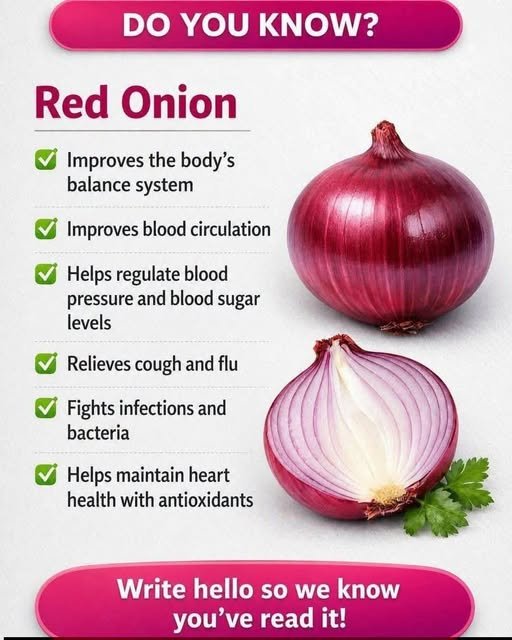
Red onions and shallots may be humble kitchen ingredients, but they contain a variety of naturally occurring compounds that make them a worthwhile addition to a balanced diet.
They’re rich in plant compounds such as quercetin and other flavonoids, while onions also provide prebiotic carbohydrates that can support beneficial gut bacteria.
Eating them regularly won’t magically transform your heart, digestion, or skin overnight, but adding them to meals can contribute to an overall nutritious eating pattern.
1. They May Support Heart Health
Red onions are particularly rich in flavonoids, including quercetin.
Research on onion compounds suggests they may have antioxidant and anti-inflammatory properties and may contribute to cardiovascular health as part of a healthy diet.
However, onions should not be viewed as a treatment for high blood pressure, high cholesterol, or heart disease.
For heart health, the bigger picture matters: eating plenty of vegetables and fruits, choosing high-fiber foods, staying physically active, avoiding tobacco, and managing blood pressure and cholesterol.
2. They Can Support a Healthy Gut
Onions and shallots contain prebiotic compounds, including fructans, that can serve as food for certain beneficial bacteria in the digestive tract.
A healthy gut microbiome is associated with many aspects of overall health.
However, onions can also cause gas or bloating in some people, particularly those who are sensitive to FODMAPs or have certain digestive conditions.
If onions regularly cause discomfort, smaller portions or cooked onions may be easier to tolerate.
3. They Provide Antioxidant Plant Compounds
Red onions contain anthocyanins, the pigments responsible for their deep reddish-purple color.
They also contain other flavonoids and sulfur-containing compounds.
These substances have antioxidant activity, which is one reason colorful vegetables are encouraged as part of a varied diet.
Rather than focusing on one “superfood,” it’s better to get different plant foods throughout the week because they provide different nutrients and protective compounds.
4. They Can Contribute to Healthy-Looking Skin
There is an important distinction between supporting overall skin health and claiming that onions can directly make skin beautiful.
The antioxidants and nutrients found in vegetables contribute to a healthy diet, which supports normal skin function.
But eating red onions or shallots alone will not erase wrinkles, remove dark spots, or dramatically change your complexion.
For visible skin health, sun protection, adequate protein, hydration, sleep, and a balanced diet are much more important.
5. They Add Flavor Without Many Calories
One of the simplest benefits of onions and shallots is culinary.
They can add sweetness, sharpness, and depth of flavor without requiring large amounts of sugar, cream, or heavy sauces.
Try adding them to:
- Salads
- Omelets
- Soups
- Stir-fries
- Roasted vegetables
- Sandwiches
- Grain bowls
- Homemade salsa
- Bean and lentil dishes
Red Onion vs. Shallot
Both can be nutritious choices, but they have slightly different characteristics.
Red onions have a stronger, sharper flavor and contain anthocyanin pigments that give them their distinctive color.
Shallots are smaller and generally have a milder, slightly sweeter flavor, making them useful in sauces, dressings, and cooked dishes.
You don’t need to choose only one. Both can fit easily into a varied diet.
Raw or Cooked?
Raw onions may retain more of certain heat-sensitive compounds, while cooking makes them softer and easier to incorporate into meals.
The best choice is the one you enjoy and tolerate well.
If raw onions cause bloating or digestive discomfort, try lightly cooking them instead.
A Simple Way to Eat More Red Onion
Try making a quick red onion salad:
Ingredients
- ½ red onion, thinly sliced
- 1 tomato, chopped
- ½ cucumber, chopped
- Fresh lemon juice
- A small amount of olive oil
- Black pepper
- A pinch of salt
Method
Combine everything in a bowl and toss gently.
Serve alongside grilled chicken, fish, beans, lentils, or your favorite main dish.
A Note About Viral Health Claims
You may see posts claiming that eating red onions or shallots can “clean your arteries,” “balance your hormones,” “detox your body,” or completely transform your skin.
These claims go beyond the available evidence.
Red onions and shallots are nutritious foods with beneficial plant compounds, but no single food can replace medical treatment or compensate for an otherwise unhealthy diet.
Final Thoughts
Red onions and shallots are inexpensive, flavorful, and easy ways to add more plant foods to your meals.
Their flavonoids, sulfur-containing compounds, and prebiotic carbohydrates make them an interesting part of a balanced diet that supports overall health.
Think of them as a useful ingredient—not a miracle cure. Regularly eating a wide variety of vegetables, fruits, legumes, whole grains, nuts, seeds, and other minimally processed foods is a much stronger foundation for a healthy heart, gut, and skin.