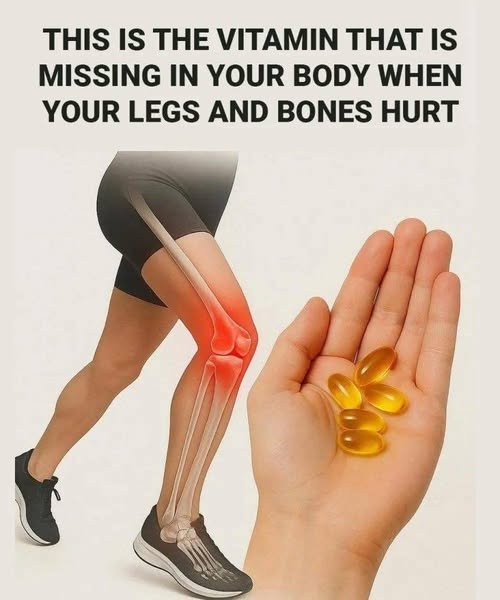
Painful legs and aching bones are common complaints, especially as people get older. Sometimes the cause is something simple, such as muscle strain or overuse. In other cases, persistent bone or muscle discomfort may be related to an underlying health condition or a nutritional deficiency.
One vitamin that deserves attention is vitamin D.
Vitamin D plays an important role in maintaining healthy bones and helping the body absorb calcium. When vitamin D levels become too low, adults can develop weakened bones and muscle weakness, and some people experience diffuse aches or pain.
But there’s an important point to remember: leg or bone pain does not automatically mean you have a vitamin D deficiency.
Why Vitamin D Matters for Your Bones
Your bones are living tissue that constantly undergoes remodeling. Vitamin D helps the intestines absorb calcium, an essential mineral for maintaining bone strength.
When vitamin D is severely deficient for a prolonged period, the body has more difficulty maintaining normal bone mineralization. In adults, severe deficiency can contribute to a condition called osteomalacia, which can cause bone pain and muscle weakness.
The discomfort may be felt in areas such as the:
- Lower back
- Hips
- Pelvis
- Legs
- Ribs
Muscle weakness can also make everyday activities such as climbing stairs or getting up from a chair more difficult.
Other Signs of Low Vitamin D
Some people with vitamin D deficiency have no obvious symptoms.
When symptoms do occur, they may include:
- Muscle weakness
- Generalized aches
- Bone discomfort
- Fatigue
- Difficulty climbing stairs
- Difficulty getting up from a chair
- Increased risk of falls in some older adults
These symptoms are not specific to vitamin D deficiency, so they cannot be used to diagnose it by themselves.
Who Is More Likely to Have Low Vitamin D?
Vitamin D deficiency can occur for several reasons.
People at increased risk can include those who:
- Get little sunlight exposure
- Have darker skin
- Spend most of their time indoors
- Are older adults
- Have conditions that interfere with fat absorption
- Have certain kidney or liver problems
- Take certain medications that affect vitamin D metabolism
Diet can also contribute when a person consumes few vitamin-D-containing foods.
Where Can You Get Vitamin D?
The body can produce vitamin D when skin is exposed to sunlight. However, the amount produced varies considerably according to season, location, skin pigmentation, clothing, age, time of day, and other factors.
Food sources include:
- Fatty fish such as salmon and sardines
- Egg yolks
- Liver
- Fortified milk
- Fortified plant-based milk
- Some fortified cereals
Food alone may not correct a significant deficiency, which is why testing and medical guidance can be important when deficiency is suspected.
Should You Take a Vitamin D Supplement?
Not necessarily.
Taking very high doses of vitamin D without medical guidance can be harmful. Excess vitamin D can raise calcium levels in the blood and potentially damage the kidneys and other organs.
If you have persistent bone or muscle pain, a healthcare professional may decide whether a 25-hydroxyvitamin D blood test or other investigations are appropriate.
If a deficiency is confirmed, the appropriate supplement dose depends on the severity of the deficiency and the individual’s health.
Vitamin D Isn’t the Only Possible Explanation
Painful legs or bones can have many causes.
Other possibilities include:
- Arthritis
- Muscle strain or overuse
- Nerve problems
- Poor circulation
- Mineral deficiencies
- Osteoporosis-related fractures
- Certain medications
- Inflammatory conditions
- Injuries
- Kidney or other systemic diseases
For example, pain caused by a pinched nerve may feel very different from pain caused by a bone problem.
This is why persistent or unexplained pain deserves proper evaluation rather than automatically treating it with supplements.
When Should You See a Doctor?
Make an appointment with a healthcare professional if bone or leg pain is persistent, worsening, unexplained, or interfering with normal activities.
Seek urgent medical attention for symptoms such as:
- Sudden severe leg pain
- Significant swelling, particularly in one leg
- A leg that becomes unusually red or warm
- Chest pain or difficulty breathing
- Sudden inability to walk
- A serious injury
- Sudden weakness or numbness
These symptoms can sometimes indicate conditions requiring prompt treatment.
Protecting Your Bones as You Age
Vitamin D is only one part of maintaining strong bones.
A bone-friendly lifestyle also includes:
Get Adequate Calcium
Calcium-rich foods include dairy products, fortified alternatives, leafy green vegetables, tofu made with calcium, and certain fish eaten with their bones.
Stay Physically Active
Weight-bearing and resistance exercises help maintain bone and muscle strength.
Eat Enough Protein
Adequate protein supports muscle maintenance, which is particularly important for reducing weakness and fall risk as we age.
Avoid Smoking
Smoking can negatively affect bone health.
Limit Excessive Alcohol
Heavy alcohol consumption can contribute to poor bone health and increase the risk of falls and fractures.
The Bottom Line
When your legs or bones hurt, vitamin D deficiency is one possibility—but it is far from the only one.
Vitamin D is essential for calcium absorption, bone mineralization, and normal muscle function. Severe deficiency can cause bone pain and muscle weakness, but symptoms alone cannot tell you whether your vitamin D level is low.
Rather than taking large doses of supplements based on symptoms alone, consider discussing persistent pain with a healthcare professional and asking whether testing is appropriate.
Understanding the cause of the pain is more important than simply masking the symptom with a vitamin.