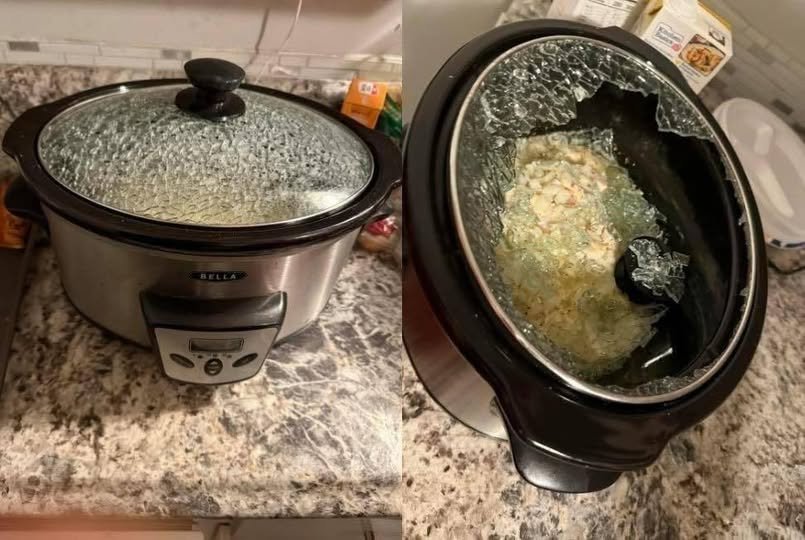
Slow cookers are one of the easiest kitchen appliances for preparing hearty meals with minimal effort. Add your ingredients, set the temperature, and let the slow cooker gradually turn them into soups, stews, roasts, and comforting one-pot dinners.
But not every ingredient belongs in a slow cooker.
Some foods become unpleasantly mushy, some can separate or curdle, and others require special preparation to make sure they are safe to eat. A few ingredients are also simply better added near the end of cooking rather than at the beginning.
Here are 11 foods you should be cautious about putting directly into a slow cooker.
1. Raw Kidney Beans
Raw or inadequately cooked kidney beans are one of the most important foods to handle carefully.
Kidney beans contain naturally occurring phytohaemagglutinin, a compound that can cause gastrointestinal illness when beans are eaten raw or insufficiently cooked.
A slow cooker may not reliably provide the rapid high-temperature cooking needed to destroy enough of this compound, particularly if raw beans are started directly on a low setting.
Safer approach
Boil dried kidney beans vigorously in fresh water for at least 10 minutes before transferring them to a slow cooker, or use properly cooked canned kidney beans.
2. Large Pieces of Frozen Meat
Putting a large frozen roast or other large piece of meat directly into a slow cooker can keep the food in the temperature “danger zone” for too long while the center gradually warms.
Safer approach
Thaw meat in the refrigerator before placing it in the slow cooker.
This is especially important for large cuts.
3. Frozen Chicken
Frozen chicken should generally be thawed before slow cooking.
Because chicken needs to reach a safe internal temperature, starting with frozen pieces can make it difficult to ensure that the meat heats safely and evenly.
Use refrigerated, thawed chicken and check the thickest part with a food thermometer.
4. Seafood Too Early
Fish and delicate seafood generally don’t need several hours of slow cooking.
If you add delicate fish at the beginning, it can become dry, break apart, or develop an unpleasant texture.
Better method
Add fish, shrimp, scallops, or other delicate seafood near the end of cooking, following a recipe designed for that particular ingredient.
5. Dairy Products for the Entire Cooking Time
Milk, cream, sour cream, and some soft cheeses can separate or curdle when exposed to prolonged heat.
This can leave your sauce looking grainy rather than smooth.
Better method
Add most dairy ingredients toward the end of cooking.
Cream cheese and certain cheeses can also require specific preparation to incorporate smoothly.
6. Fresh Pasta
Fresh pasta cooks much faster than meat and many slow-cooked vegetables.
If you add it at the beginning of an hours-long cooking process, it can become extremely soft and lose its texture.
Better method
Add fresh pasta near the end, or cook it separately and combine it with the finished sauce.
7. Quick-Cooking Rice
Rice can be tricky in a slow cooker because different varieties absorb liquid and cook at different rates.
Adding regular rice at the beginning of a long cooking period can result in overcooked, mushy grains.
Better method
Use a slow-cooker recipe specifically developed for the type of rice you’re using, or cook the rice separately and add it before serving.
8. Delicate Fresh Herbs
Fresh herbs such as parsley, cilantro, and basil can lose much of their fresh flavor and bright appearance during several hours of cooking.
They aren’t dangerous, but they’re often wasted when added too early.
Better method
Add delicate fresh herbs during the final minutes or sprinkle them over the finished dish.
Hardier herbs such as rosemary and thyme are generally better suited to longer cooking.
9. Certain Soft Vegetables
Tender vegetables can turn mushy when cooked for many hours.
Examples include:
- Zucchini
- Summer squash
- Peas
- Fresh spinach
- Some mushrooms
Better method
Add delicate vegetables later in the cooking process when the recipe allows it.
Harder vegetables such as carrots, potatoes, and onions generally hold up much better during extended cooking.
10. Wine in Large Quantities
Adding a large amount of wine doesn’t necessarily produce the same result as reducing wine in an uncovered pan.
A slow cooker has limited evaporation compared with conventional stovetop cooking, so the alcohol and concentrated flavors may not behave as expected.
Better method
Use the amount specified in a tested slow-cooker recipe.
If you’re adapting a stovetop recipe, don’t simply transfer the same quantity of liquid without considering how much evaporation normally occurs.
11. Thickening Agents Too Early
Flour, cornstarch, and other thickening agents can behave differently during long cooking.
Cornstarch, in particular, is often best added toward the end because prolonged cooking can weaken its thickening ability.
Better method
Make a slurry by mixing cornstarch with cold water, then stir it into the slow-cooker liquid during the final stage of cooking.
Allow the mixture enough time to thicken before serving.
One More Thing: Don’t Overfill Your Slow Cooker
Even the right ingredients can cause problems if the slow cooker is filled incorrectly.
As a general rule, follow your appliance manufacturer’s instructions regarding minimum and maximum fill levels. Many slow-cooker manufacturers recommend filling the cooker somewhere around half to two-thirds full for proper cooking, although the exact recommendation varies by model.
Overfilling can interfere with cooking, while underfilling may cause food to cook differently than expected.
Should You Brown Meat Before Slow Cooking?
Browning meat isn’t usually required for food safety when using an appropriate slow-cooker recipe, but it can significantly improve flavor and appearance.
Searing beef, pork, or chicken in a hot pan first creates browned surface compounds that can give the finished dish a richer, deeper flavor.
It’s an optional step for many recipes, but often worth the extra few minutes.
How to Use a Slow Cooker More Safely
A few simple habits can make slow cooking safer and more predictable:
- Thaw frozen meat in the refrigerator before slow cooking.
- Don’t use raw kidney beans without proper pre-boiling.
- Follow tested recipes when cooking meat and poultry.
- Avoid opening the lid repeatedly because heat escapes each time.
- Use a food thermometer to verify that meat reaches a safe internal temperature.
- Refrigerate leftovers promptly rather than leaving them at room temperature for extended periods.
- Don’t use the slow cooker to keep food warm indefinitely.
- Follow your appliance’s manufacturer’s instructions.
The Bottom Line
Slow cookers are extremely versatile, but they’re not designed to treat every ingredient the same way.
Raw kidney beans, large frozen cuts of meat, frozen chicken, delicate seafood, dairy, fresh pasta, quick-cooking rice, delicate herbs, tender vegetables, large amounts of wine, and some thickening agents all require special consideration.
The biggest lesson is simple: don’t just throw every ingredient into the slow cooker at the same time.
Add sturdy ingredients at the beginning, reserve delicate ingredients for later, thaw meat properly, and follow recipes designed for slow cooking.
With a little planning, your slow cooker can produce tender, flavorful meals without turning everything into a pot of mush.