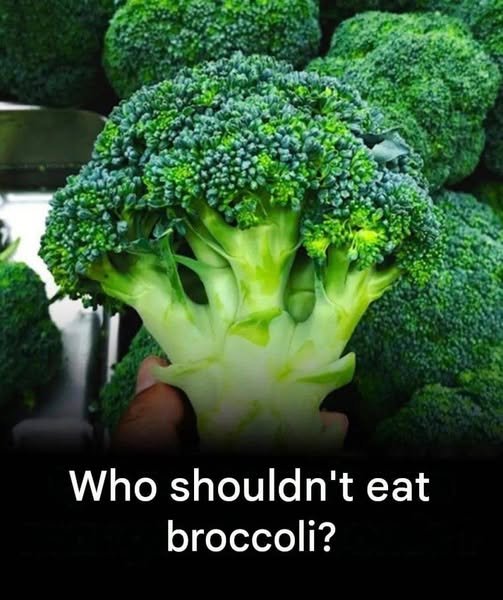
Broccoli may not be everyone’s favorite vegetable, but it is one of the most nutrient-dense foods you can add to your meals. Whether you enjoy it roasted, steamed, stir-fried, or boiled, broccoli provides fiber, vitamins, minerals, and plant compounds that can support overall health.
But what actually happens when you eat boiled broccoli regularly?
Doctors and nutrition experts generally recommend eating a variety of vegetables as part of a balanced diet, and broccoli can be a particularly useful choice. Boiling changes its texture and can affect some nutrients, but it does not turn broccoli into an unhealthy food.
Here are some of the potential benefits of including boiled broccoli in your diet.
1. It Adds Fiber to Your Diet
Broccoli contains dietary fiber, which is important for normal digestive function.
Fiber can help add bulk to stool and support regular bowel movements. It also contributes to a healthy gut environment by providing material that beneficial gut bacteria can use.
If your diet is low in vegetables and fiber, adding broccoli gradually can be an easy way to increase your intake.
2. It Provides Vitamin C
Broccoli is a source of vitamin C, an antioxidant nutrient involved in immune function, collagen production, and wound healing.
Because vitamin C is water-soluble, some of it can be lost during cooking, particularly when vegetables are boiled for a long time in a large amount of water.
For this reason, shorter cooking times and methods such as steaming may preserve more vitamin C than prolonged boiling.
That doesn’t mean boiled broccoli is unhealthy. It simply means cooking method matters when you’re trying to maximize certain nutrients.
3. It Contains Vitamin K
Broccoli provides vitamin K, which plays an important role in normal blood clotting and bone health.
People taking certain blood-thinning medications should not suddenly make major changes to their vitamin K intake without discussing it with their healthcare professional. Consistency in vitamin K intake can be important for some patients.
4. It Provides Folate
Broccoli also contains folate, a B vitamin needed for DNA synthesis and normal cell division.
Getting enough folate is especially important during periods of rapid growth and pregnancy.
Broccoli isn’t the only source, however. Other foods such as beans, leafy greens, citrus fruits, and fortified grains can also contribute to your daily intake.
5. It Contains Protective Plant Compounds
One reason broccoli has attracted so much attention is its naturally occurring glucosinolates.
When broccoli is chopped, chewed, and digested, these compounds can contribute to the formation of other biologically active compounds, including sulforaphane.
Researchers have studied these compounds for their potential role in cellular protection and other aspects of health.
However, it’s important not to turn this research into the claim that broccoli “cures cancer” or prevents disease on its own. Human health is influenced by many factors, and no single vegetable can replace appropriate medical care.
6. It Can Support a Heart-Healthy Diet
Replacing highly processed or calorie-dense side dishes with vegetables such as broccoli can make an overall diet more nutrient-dense.
Broccoli is naturally low in calories while providing fiber and several important nutrients.
A diet rich in vegetables, fruits, whole grains, legumes, nuts, and other minimally processed foods is generally associated with better cardiovascular health.
7. It May Help You Feel Fuller
The combination of water and fiber in vegetables can contribute to feelings of fullness.
Adding boiled broccoli to a meal containing a protein source and a whole-food carbohydrate can create a satisfying plate without requiring a large amount of calories from the vegetable itself.
For example, boiled broccoli can be paired with:
- Grilled chicken
- Eggs
- Fish
- Beans or lentils
- Brown rice
- Potatoes
- Whole-grain pasta
8. Boiling Doesn’t Destroy All of Broccoli’s Benefits
A common misconception is that boiling vegetables makes them nutritionally useless.
That’s not true.
Cooking can reduce some heat-sensitive or water-soluble nutrients, but cooked broccoli still provides fiber, minerals, vitamin K, and numerous other nutrients.
The amount of nutrient loss depends on factors such as cooking time, temperature, and the amount of water used.
If you prefer boiled broccoli, there’s no reason to stop eating it simply because another cooking method may preserve certain nutrients better.
How to Boil Broccoli Without Overcooking It
The key is to avoid turning broccoli into a soft, watery vegetable.
Ingredients
- 1 large head of broccoli
- Water
- A small pinch of salt, optional
Directions
- Wash the broccoli thoroughly under running water.
- Cut it into similar-sized florets so they cook evenly.
- Bring a pot of water to a boil.
- Add the broccoli.
- Cook briefly until it becomes tender but still has some firmness.
- Drain immediately.
- Serve while warm.
For better nutrient retention, don’t boil broccoli for longer than necessary.
You can also steam it instead if you prefer a method that generally uses less water.
Can You Eat Boiled Broccoli Every Day?
For most healthy people, broccoli can certainly be part of a daily diet.
However, you don’t need to eat the same vegetable every day to be healthy. Eating a variety of vegetables gives you access to a wider range of nutrients and plant compounds.
You can rotate broccoli with spinach, carrots, cabbage, cauliflower, green beans, peppers, tomatoes, and other vegetables.
A Few Things to Keep in Mind
Broccoli belongs to the cruciferous vegetable family, along with cabbage, cauliflower, Brussels sprouts, and kale.
Some people experience increased gas or bloating after eating larger amounts of these vegetables. If that happens, try smaller portions and increase your intake gradually.
People with specific medical conditions or dietary restrictions may also need individualized nutrition advice.
And while broccoli is highly nutritious, it should not be presented as a treatment for cancer, diabetes, high blood pressure, digestive disorders, or other diseases.
The Bottom Line
Eating boiled broccoli can be a simple way to add fiber, vitamin C, vitamin K, folate, minerals, and beneficial plant compounds to your diet.
Boiling can reduce some nutrients, particularly water-soluble vitamins, but it doesn’t eliminate the nutritional value of the vegetable. If you want to preserve more nutrients, consider shorter cooking times or steaming.
The bigger picture matters most: rather than looking for one food that dramatically changes your health, make vegetables such as broccoli part of a varied, balanced diet.
So the next time someone tells you that boiled broccoli has “no benefits,” don’t believe the myth. It may not be a miracle food, but it is still a nutritious addition to a healthy meal.