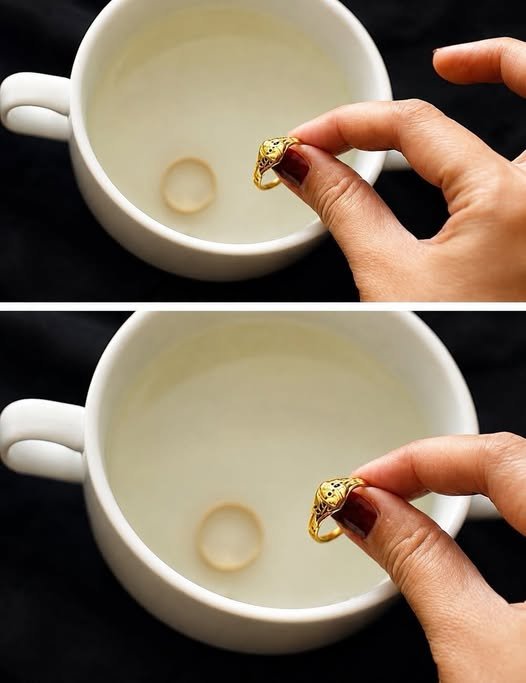
Jewelry has a way of losing its sparkle over time. Even your favorite necklace, ring, bracelet, or earrings can start looking dull after repeated exposure to skin oils, lotion, perfume, dust, sweat, and everyday grime. The good news is that many pieces can be cleaned at home with a few simple supplies.
You don’t need expensive jewelry cleaners for basic cleaning. A gentle solution of lukewarm water and mild dish soap can safely remove everyday buildup from many types of jewelry.
However, not every piece should be cleaned the same way. Gold, silver, stainless steel, costume jewelry, pearls, and gemstones can have very different care requirements. Before cleaning, always consider what your jewelry is made from.
What You’ll Need
For most durable jewelry, gather:
- A small bowl of lukewarm water
- A few drops of mild dishwashing liquid
- A soft microfiber or jewelry-cleaning cloth
- A very soft toothbrush or small soft-bristled brush
- A clean, dry towel
- A shallow strainer or soft cloth to prevent small pieces from going down the drain
Avoid using harsh household cleaners, bleach, abrasive powders, or rough brushes. These can scratch surfaces, damage finishes, loosen stones, or discolor certain metals.
The Simple Jewelry-Cleaning Method
1. Prepare a Gentle Cleaning Solution
Fill a small bowl with lukewarm water and add just a few drops of mild dishwashing liquid.
The goal isn’t to create a strong chemical solution. A gentle mixture is usually enough to loosen oils and everyday dirt.
Avoid very hot water, particularly when cleaning jewelry containing delicate stones, glued components, or treated materials.
2. Let Durable Jewelry Soak Briefly
For many solid gold, platinum, and durable gemstone pieces, place the jewelry in the solution for about 5 to 10 minutes.
This gives the soap and water time to loosen accumulated oils and grime.
However, don’t automatically soak every piece you own. Some jewelry, especially pieces containing pearls, opals, porous gemstones, glued decorations, or delicate finishes, should not be submerged.
3. Gently Brush Away Dirt
After soaking, use a very soft toothbrush to gently clean around the jewelry.
Pay special attention to:
- The underside of rings
- Areas around gemstone settings
- Chain links
- Earring backs
- Clasp mechanisms
- Small grooves where dirt tends to accumulate
Use a light touch. Scrubbing harder doesn’t necessarily clean jewelry better and can cause scratches or damage.
4. Rinse Carefully
Rinse the jewelry with clean lukewarm water to remove soap residue.
If you’re working with a small piece, don’t rinse it directly over an open sink. A tiny ring or earring can disappear down the drain surprisingly quickly.
Instead, rinse it over a bowl or use a strainer.
5. Dry Thoroughly
Place the jewelry on a clean, soft towel and gently pat it dry.
You can then use a microfiber or jewelry-polishing cloth to buff suitable metal surfaces lightly.
Make sure the piece is completely dry before storing it.
How to Clean Gold Jewelry
Solid gold jewelry generally tolerates gentle soap-and-water cleaning well.
Mix lukewarm water with a small amount of mild dish soap and gently clean the piece with a soft brush. Rinse and dry thoroughly.
Keep in mind that gold-plated jewelry is different from solid gold. Aggressive rubbing can wear away the thin gold layer and reveal the underlying metal.
For gold-plated pieces, use a soft damp cloth and very gentle cleaning rather than vigorous brushing or frequent polishing.
How to Make Silver Jewelry Look Brighter
Silver naturally tarnishes when it reacts with substances in the environment. A soft silver-polishing cloth can be useful for removing light tarnish from many silver pieces.
For valuable, antique, oxidized, engraved, or intentionally darkened silver jewelry, be cautious with polishing. Excessive polishing can remove desirable surface details or finishes.
If the piece is valuable or has sentimental importance, professional cleaning may be the safer option.
Be Careful With Gemstones
Gemstones don’t all respond to cleaning in the same way.
Diamonds and some other durable gemstones can generally tolerate gentle soap-and-water cleaning, while softer or porous stones may require much more careful treatment.
Avoid soaking jewelry if you’re unsure how a particular gemstone was treated or set.
Some stones can be damaged by heat, chemicals, sudden temperature changes, or prolonged exposure to water.
When in doubt, check the manufacturer’s care instructions or ask a professional jeweler.
Pearls Need Special Care
Pearls are particularly delicate.
Don’t treat pearl jewelry like ordinary metal jewelry. Avoid soaking pearls and don’t use abrasive cleaners, household chemicals, or jewelry-dipping solutions unless the product is specifically designed for pearls.
Instead, gently wipe pearls with a soft, slightly damp cloth and allow them to dry naturally.
It’s also a good idea to put pearls on after applying perfume, hairspray, lotions, and cosmetics, rather than exposing them to these products.
What About Costume Jewelry?
Costume jewelry often contains plated metals, adhesives, artificial stones, enamel, or decorative coatings.
Because of this, soaking can sometimes do more harm than good.
For many costume pieces, the safest approach is to:
- Wipe the surface with a soft, slightly damp cloth.
- Use a tiny amount of mild soap only when necessary.
- Avoid prolonged exposure to water.
- Dry the piece immediately.
- Store it somewhere dry.
If the jewelry has already started peeling, flaking, or changing color, cleaning may not restore its original appearance because the surface coating itself may have worn away.
What You Should Never Use on Jewelry
Some popular DIY cleaning tricks can be unnecessarily harsh.
Avoid using:
- Toothpaste
- Baking soda scrubs
- Bleach
- Ammonia-based household cleaners
- Strong disinfectants
- Acetone or nail-polish remover
- Rough sponges
- Steel wool
- Abrasive powders
These products can scratch metal, remove plating, damage gemstones, or destroy decorative finishes.
The fact that a cleaning method makes something look shiny doesn’t mean it is safe for jewelry.
How to Keep Jewelry Shiny for Longer
Cleaning is only part of keeping your jewelry looking beautiful. Prevention can make an even bigger difference.
Put Jewelry on Last
Apply perfume, moisturizer, sunscreen, hairspray, and makeup before putting on your jewelry.
Allow skincare and fragrance products to dry before wearing rings, necklaces, earrings, or bracelets.
Remove Jewelry Before Showering
Soap residue and shampoo can accumulate on jewelry. Frequent exposure to water can also affect certain finishes and settings.
Take It Off During Exercise
Sweat, lotions, and friction can contribute to buildup and may affect some jewelry finishes.
Keep Jewelry Away From Household Chemicals
Remove rings and bracelets before cleaning with household chemicals, washing dishes with strong detergents, or handling chlorine-containing products.
Store Pieces Separately
Keep jewelry in individual compartments or soft pouches when possible.
This helps prevent pieces from scratching each other and reduces tangling.
Silver jewelry can also benefit from storage that limits exposure to air and moisture.
When Professional Cleaning Is Better
Home cleaning is suitable for many everyday pieces, but professional care is a better choice when jewelry is:
- Extremely valuable
- Antique or vintage
- Heavily tarnished
- Set with delicate or unusual gemstones
- Showing a loose stone
- Damaged or cracked
- Made from an unknown material
- Plated with a delicate finish
A jeweler can inspect the settings and check whether stones are secure before cleaning or polishing the piece.
A Simple Rule to Remember
For ordinary, durable jewelry, gentle cleaning is usually better than aggressive cleaning.
Start with lukewarm water, a small amount of mild dish soap, and a soft cloth or brush. Avoid harsh chemicals and abrasive DIY treatments, and always adjust the cleaning method according to the jewelry’s metal, stones, and finish.
With regular gentle care, your favorite jewelry can stay cleaner, brighter, and more beautiful without unnecessary wear and tear.
Final Tip
Before trying any homemade jewelry-cleaning method, identify what the piece is made from. A method that works beautifully on solid gold may not be appropriate for pearls, opals, costume jewelry, or gold-plated pieces. When you’re unsure, the safest approach is gentle surface cleaning or advice from a professional jeweler.