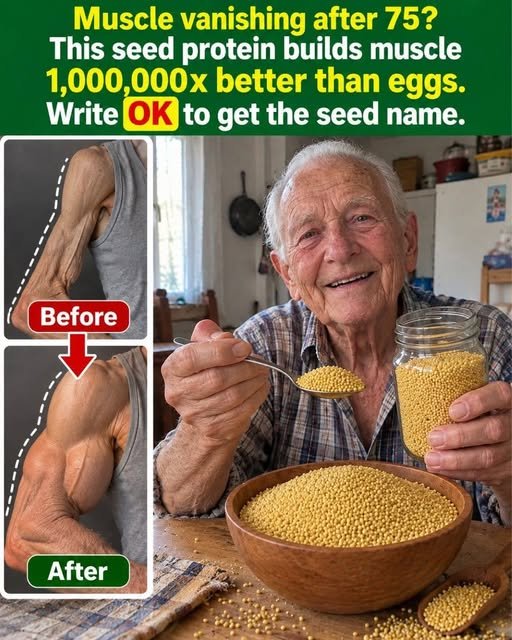
Noticeably thinner arms, weaker legs, or difficulty getting up from a chair can be more than a cosmetic change in later life. Aging is associated with a gradual loss of muscle mass and strength, known as sarcopenia, and the process can become more noticeable as people get older.
Protein is one important part of maintaining muscle, but no single food can rebuild muscle “1,000,000 times better” than eggs or replace medical nutrition products for everyone.
One affordable seed that can be a useful addition to a protein-rich diet is pumpkin seeds.
Why Pumpkin Seeds Are Worth Considering
Pumpkin seeds provide protein along with healthy fats, magnesium, zinc, iron, and other nutrients.
They can be especially convenient for older adults because they are easy to add to meals and snacks.
A small serving can contribute meaningful protein to the day’s total intake, although pumpkin seeds are not a complete replacement for higher-protein foods such as eggs, dairy, fish, poultry, beans, lentils, or soy foods.
The goal isn’t to find one “magic” food. It’s to consistently get enough protein and nutrition throughout the day.
How Much Protein Do Older Adults Need?
Protein needs vary according to body size, activity level, kidney function, health conditions, and other factors.
Older adults may benefit from paying particular attention to protein intake because the body can become less responsive to dietary protein with age.
Rather than concentrating all protein into one meal, many people may benefit from including a meaningful protein source at breakfast, lunch, and dinner.
If someone has kidney disease or has been told to restrict protein, their individual target should be discussed with a healthcare professional.
7 Easy Ways to Eat Pumpkin Seeds
1. Add Them to Oatmeal
Sprinkle pumpkin seeds over oatmeal along with milk or yogurt and fruit.
2. Mix Them Into Yogurt
Greek yogurt combined with pumpkin seeds and berries creates a convenient protein-rich snack.
3. Add Them to Salads
Pumpkin seeds provide a pleasant crunch and can make a vegetable salad more filling.
4. Blend Them Into Smoothies
A small amount of pumpkin seed butter can add calories, healthy fats, and some protein to a smoothie.
5. Sprinkle Them Over Soup
Roasted pumpkin seeds make an excellent topping for vegetable, lentil, or pumpkin soup.
6. Make a Homemade Trail Mix
Combine pumpkin seeds with unsweetened nuts, whole-grain cereal, and a small amount of dried fruit.
7. Add Them to Meals
They can be sprinkled over cooked vegetables, rice bowls, roasted potatoes, or whole-grain dishes.
But Protein Alone Doesn’t Build Strong Muscle
This is an important point.
Eating more protein without using the muscles isn’t usually enough to prevent age-related muscle loss.
Resistance exercise is one of the most important tools for maintaining muscle strength.
Depending on a person’s fitness and medical status, this might include:
- Chair squats
- Resistance-band exercises
- Wall push-ups
- Light weights
- Sit-to-stand exercises
- Leg-strengthening exercises
- Supervised resistance training
Someone who is frail, has significant weakness, or has balance problems should ask a healthcare professional or physical therapist about an appropriate exercise program before starting.
Other Foods That Support Muscle Health
Pumpkin seeds are only one option.
A muscle-supporting diet can include:
- Eggs
- Greek yogurt
- Milk
- Cottage cheese
- Fish
- Chicken
- Lean meat
- Beans
- Lentils
- Soy foods
- Nuts and seeds
Combining different protein sources throughout the day makes it easier to meet nutritional needs.
What About Hospital Nutrition Shakes?
Specialized nutrition shakes can be useful for some older adults, particularly people who have poor appetite, unintended weight loss, difficulty eating enough food, or increased nutritional needs.
But they aren’t automatically necessary for everyone.
If someone is losing weight or muscle despite eating normally, the priority should be finding out why rather than simply purchasing a supplement.
When Thinning Arms Need Medical Attention
Progressively thinner arms can sometimes be related to normal aging and reduced muscle mass, but significant or rapid muscle loss deserves attention.
Speak with a healthcare professional if there is:
- Unintentional weight loss
- Increasing weakness
- Difficulty walking
- Frequent falls
- Trouble climbing stairs
- Difficulty getting out of a chair
- Loss of appetite
- Persistent fatigue
- Difficulty swallowing
- Muscle loss despite adequate food intake
Several medical conditions, medications, nutritional deficiencies, and periods of inactivity can contribute to muscle loss.
The Bottom Line
There is no seed that builds muscle “1,000,000 times better than eggs.” Claims like that are marketing rather than established nutrition science.
Pumpkin seeds can nevertheless be a nutritious and affordable addition to an older adult’s diet. For maintaining muscle after 75, the bigger picture matters: adequate protein, sufficient calories, regular resistance exercise, good sleep, and evaluation of unexplained weight or muscle loss.
If your arms are becoming noticeably thinner month after month, don’t just look for a miracle food. Treat the change as a reason to check your overall nutrition, strength, activity level, and health with a qualified professional.