Your kidneys work quietly around the clock, filtering waste and excess fluid from your blood, helping control blood pressure, balancing minerals, and supporting healthy red blood cell production. The tricky part is that kidney disease can develop without obvious symptoms in its early stages.
That means certain changes in your body deserve attention—but they don’t automatically mean you have kidney disease. Many of these symptoms can have other causes.
1. Changes in Urination
A noticeable change in how often you urinate, particularly if it persists, can be worth discussing with a healthcare professional.
2. Foamy or Frothy Urine
Persistent excessive foam or froth may sometimes indicate protein in the urine, which can occur when the kidney’s filtering system is damaged.
3. Blood in the Urine
Pink, red, brown, or tea-colored urine can have several causes, including urinary tract problems and kidney disease. Blood in the urine should be medically evaluated.
4. Urinating More Often at Night
Repeatedly waking up to urinate, especially when this is a new change, can be associated with kidney problems—but diabetes, prostate problems, medications, and other conditions can also cause it.
5. Swelling Around the Ankles or Feet
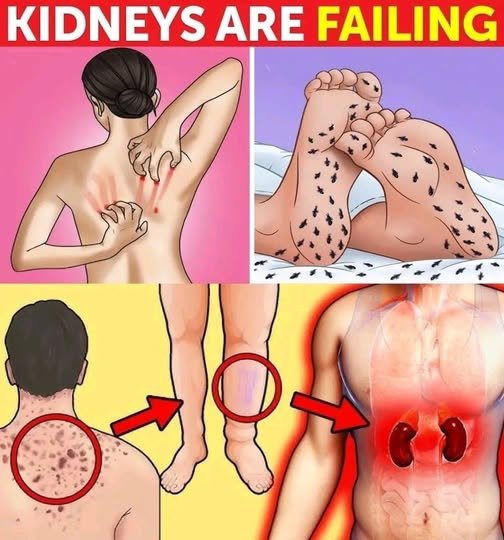
When the kidneys aren’t effectively removing excess sodium and fluid, swelling can develop in the lower legs, ankles, or feet.
6. Puffy Eyes
Swelling around the eyes, particularly in the morning, can sometimes occur when protein is leaking into the urine.
7. Swelling in the Hands
Unexplained swelling of the hands or fingers may indicate fluid retention, although heart, liver, medication-related, and other conditions can also cause it.
8. Persistent Fatigue
Kidney disease can contribute to anemia and the buildup of waste products, potentially causing tiredness or weakness.
9. Trouble Concentrating
Advanced kidney problems may contribute to difficulty concentrating, mental sluggishness, or changes in alertness.
10. Nausea
A buildup of waste products in advanced kidney disease can cause nausea or reduced appetite.
11. Loss of Appetite
A persistent decrease in appetite can occur with significant kidney dysfunction, although many digestive and systemic illnesses can cause the same symptom.
12. Dry or Itchy Skin
Persistent itching and unusually dry skin can occur in more advanced kidney disease, partly because of changes in mineral and waste-product balance.
13. Muscle Cramps
Kidney disease can disturb electrolyte and mineral levels, potentially contributing to muscle cramps or unusual muscle sensations.
14. Muscle Weakness
Significant kidney dysfunction can affect electrolyte balance and contribute to weakness.
15. Shortness of Breath
Kidney disease may contribute to anemia or fluid accumulation, both of which can cause breathing difficulties.
Sudden or severe shortness of breath requires urgent medical attention, particularly if accompanied by chest pain.
16. Persistent Back or Side Pain
Pain in the flank or side can occur with certain kidney conditions, including kidney stones or infections. However, ordinary back pain is much more commonly caused by muscles, joints, or the spine.
17. Fever With Side or Back Pain
Fever accompanied by flank pain, chills, nausea, or painful urination can be a warning sign of a kidney infection and should be evaluated promptly.
18. Painful Urination
Burning or pain when urinating is more commonly associated with urinary tract infections, but infections can sometimes spread toward the kidneys.
19. Changes in Urine Color
Very dark, cloudy, red, pink, or unusually brown urine can have different causes. Persistent or unexplained changes should be checked rather than assumed to be a kidney problem.
20. Metallic Taste in the Mouth
In advanced kidney disease, waste products accumulating in the blood can sometimes affect taste and appetite.
21. Unpleasant Breath
A persistent ammonia-like or unusual breath odor can occur with advanced kidney dysfunction, although dental, digestive, and other problems are much more common causes of bad breath.
22. High Blood Pressure
The relationship between the kidneys and blood pressure goes both ways. Kidney disease can contribute to hypertension, while long-term uncontrolled high blood pressure can damage the kidneys.
23. Unexplained Changes in Weight
Unexpected weight loss, particularly when combined with poor appetite, nausea, weakness, or other symptoms, deserves medical evaluation. Rapid weight gain accompanied by swelling can instead indicate fluid retention.
The Most Important Thing to Know
These warning signs do not diagnose kidney disease. Some people with significant kidney disease have few or no symptoms, especially during the early stages.
If you’re concerned about your kidney health, simple testing can provide much more useful information than trying to identify symptoms from a list. A healthcare professional may check:
- Blood creatinine and estimated GFR (eGFR) to assess kidney filtration
- Urine albumin-to-creatinine ratio (UACR) to look for abnormal protein leakage
- Blood pressure
- Blood glucose or other tests when appropriate
People with diabetes, high blood pressure, cardiovascular disease, a family history of kidney disease, or previous kidney problems may need particular attention to kidney screening.
When to Seek Medical Help
Seek prompt medical attention for blood in the urine, severe flank pain, fever with urinary symptoms, significant swelling, very little or no urine, or unexplained worsening symptoms.
And remember: your kidneys don’t need a special “detox drink” or cleansing program to function properly. Protecting kidney health is much more about controlling blood pressure and blood sugar, staying appropriately hydrated, avoiding unnecessary medications or supplements, not smoking, maintaining a healthy weight, and getting appropriate medical checkups.