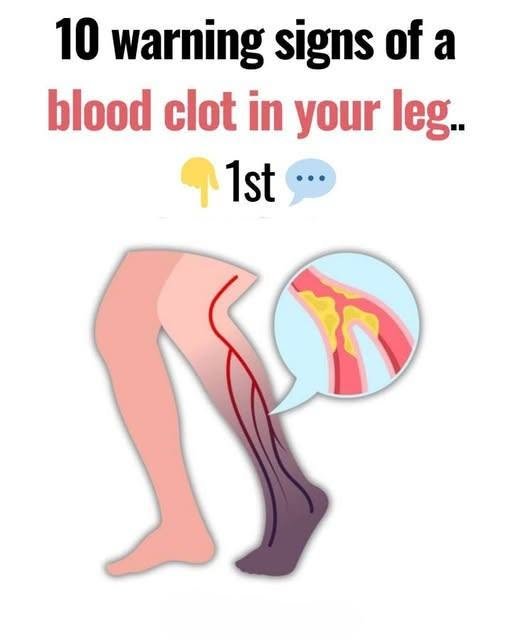
A blood clot in the leg, medically known as deep vein thrombosis (DVT), can become a serious health problem if it is not recognized and treated promptly. A DVT develops in a deep vein, most commonly in the leg, and part of the clot can sometimes travel to the lungs and cause a pulmonary embolism (PE). (CDC)
Knowing the possible warning signs can help you recognize when medical attention is needed. However, symptoms alone cannot confirm a blood clot, and some people with DVT have no noticeable symptoms at all. (CDC)
1. Swelling in One Leg
One of the most common warning signs is swelling affecting one leg, particularly when it appears without an obvious injury.
The swelling may involve the calf, ankle, or entire leg. DVT-related swelling is typically one-sided rather than affecting both legs equally. (nhs.uk)
2. Unexplained Leg Pain
A blood clot can cause pain or tenderness in the affected leg, often around the calf or thigh.
The discomfort may feel like an ache, cramp, or throbbing sensation and may occur without an obvious injury. Unexplained pain combined with swelling deserves prompt medical assessment. (nhs.uk)
3. Tenderness
The affected area may become unusually tender when touched or when you move the leg.
Tenderness by itself does not necessarily mean you have a blood clot, but unexplained tenderness accompanied by other DVT symptoms should not be ignored. (CDC)
4. Warmth in the Affected Area
The skin over the area of a DVT may feel warmer than the surrounding skin.
This can occur along with swelling, pain, redness, or discoloration. Because warmth can also occur with infections and other conditions, it cannot be used by itself to diagnose a clot. (CDC)
5. Red or Discolored Skin
The skin over the affected area may become red, bluish, or darker than usual.
Changes in skin color are particularly concerning when they occur together with swelling, pain, tenderness, or warmth in one leg. (nhs.uk)
6. A Heavy or Aching Feeling
Some people describe the affected leg as feeling heavy, uncomfortable, or persistently achy.
This symptom isn’t specific to DVT and can have many other causes, but unexplained heaviness combined with other warning signs should be evaluated by a healthcare professional.
7. Swollen or More Prominent Veins
A DVT can sometimes be associated with veins that appear more swollen or prominent than usual.
This isn’t a reliable way to identify a clot on its own, but a noticeable change in the veins alongside leg pain and swelling should be assessed. (nhs.uk)
8. Symptoms That Appear Without an Injury
A particularly important clue is leg pain, tenderness, or swelling without an obvious injury or explanation.
People sometimes assume that unexplained calf discomfort is simply a muscle problem. Because DVT can resemble other common conditions, persistent or sudden unexplained symptoms warrant medical evaluation rather than self-diagnosis. (CDC)
9. Sudden or Increasing Swelling
A leg that becomes noticeably more swollen over a short period deserves attention, especially if the swelling is accompanied by pain, warmth, or discoloration.
DVT is not the only possible cause of leg swelling, but it is one of the conditions that needs to be considered when symptoms fit the pattern. (nhs.uk)
10. Breathing or Chest Symptoms
This is the most urgent warning sign because it may indicate that a clot has traveled from the leg to the lungs, causing a pulmonary embolism.
Seek emergency medical care immediately if you develop:
- Sudden difficulty breathing
- Chest pain, especially pain that worsens with deep breathing or coughing
- A rapid or irregular heartbeat
- Coughing, particularly coughing up blood
- Severe lightheadedness
- Fainting
A pulmonary embolism can be life-threatening and requires immediate medical attention. (CDC)
When Should You Seek Medical Help?
If you develop unexplained swelling, pain, tenderness, warmth, or discoloration in one leg, contact a healthcare professional promptly rather than trying to determine at home whether it is a blood clot.
Doctors may use medical history, physical examination, blood tests, and imaging such as an ultrasound to determine whether a DVT is present. (nhs.uk)
Do not rely on the presence or absence of one symptom alone. Some people with DVT have no symptoms, while similar symptoms can occur with muscle injuries, infections, inflammation, and other conditions. (CDC)
Who May Have a Higher Risk?
Certain circumstances can increase the likelihood of developing a blood clot. These include:
- Long periods of immobility or bed rest
- Recent surgery or hospitalization
- Long-distance travel
- Previous DVT or pulmonary embolism
- Certain cancers
- Increasing age
- Obesity
- Smoking
- Pregnancy and the period after pregnancy
- Certain estrogen-containing medications
- Some inherited or acquired clotting disorders
- Serious injury or trauma
Risk varies from person to person, and having a risk factor does not mean that a person will definitely develop a clot. (nhs.uk)
How Can You Reduce the Risk?
For people at risk because of prolonged sitting or travel, regularly moving the legs and avoiding long uninterrupted periods of immobility can help. During long journeys, getting up periodically when possible and moving the feet and legs while seated are practical measures. (nhs.uk)
People undergoing surgery, recovering from hospitalization, or living with medical conditions that increase clot risk should discuss prevention with their healthcare professional.
Final Thoughts
A blood clot in the leg can sometimes be difficult to recognize because its symptoms can resemble other problems. One-sided swelling, unexplained pain or tenderness, warmth, and skin discoloration are among the most important signs to know. (CDC)
Most importantly, don’t ignore possible symptoms or attempt to treat a suspected DVT yourself. If leg symptoms are accompanied by sudden breathing difficulty, chest pain, coughing up blood, severe dizziness, or fainting, seek emergency medical care immediately because these can be signs of a pulmonary embolism. (CDC)
This article is for general information and does not replace medical diagnosis or treatment.