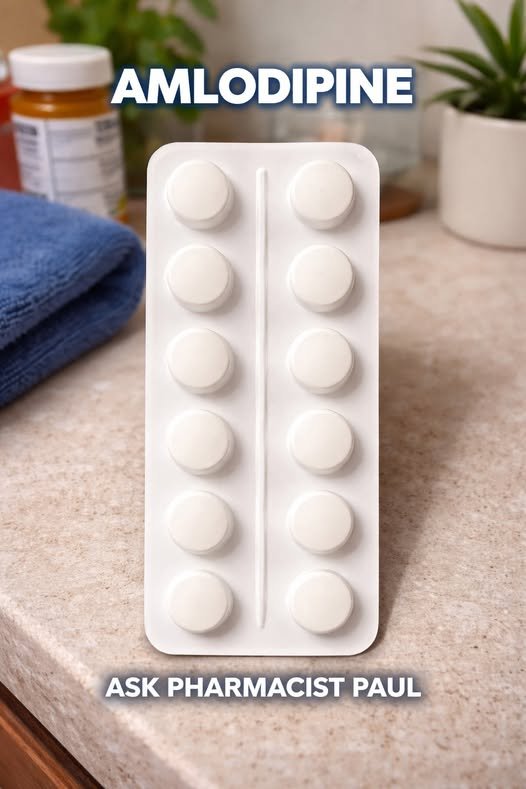
Amlodipine is a commonly prescribed medicine used to lower high blood pressure and treat certain types of angina. For many people, it works well and can help reduce the long-term risk associated with uncontrolled hypertension.
But taking amlodipine is only one part of managing your cardiovascular health. Certain everyday habits can make blood-pressure control more difficult or increase the likelihood of side effects.
You don’t necessarily need to completely change your lifestyle overnight. Instead, focus on avoiding habits that can interfere with treatment or work against your blood-pressure goals.
1. Don’t Stop Amlodipine Because You Feel Better
One of the most important mistakes to avoid is stopping amlodipine without medical advice.
High blood pressure often causes no obvious symptoms. Feeling perfectly well doesn’t necessarily mean your blood pressure has returned to normal.
Stopping treatment on your own can allow blood pressure to rise again. If you think you no longer need amlodipine or are experiencing side effects, speak with your doctor rather than stopping it yourself.
2. Don’t Eat Excessive Amounts of Salt
A high-sodium diet can contribute to elevated blood pressure.
Common sources include processed meats, packaged snacks, instant noodles, salty sauces, fast food, canned foods, and heavily salted meals.
Instead of relying heavily on the salt shaker, use herbs, spices, lemon, garlic, ginger, or other flavorings to make food enjoyable.
3. Don’t Ignore Persistent Dizziness
Amlodipine lowers blood pressure, and some people may experience dizziness or lightheadedness, particularly when beginning treatment or after a dose change.
If dizziness is persistent, severe, or interfering with daily activities, discuss it with your healthcare professional.
If you feel faint, sit or lie down somewhere safe rather than continuing to walk or drive.
4. Don’t Drink Excessive Alcohol
Alcohol can affect blood pressure and may increase dizziness or other blood-pressure-lowering effects in some people taking amlodipine.
If you drink alcohol, discuss your intake with your doctor or pharmacist, particularly if you experience dizziness or low blood pressure.
5. Don’t Make Grapefruit a Daily Habit Without Checking First
Grapefruit and grapefruit juice can interact with some medicines. For amlodipine, the interaction is not considered as significant as it is with certain other calcium-channel blockers, but individual medication combinations can vary.
If you regularly consume large amounts of grapefruit or grapefruit juice, ask your pharmacist whether it is appropriate with your specific medication and other medicines.
6. Don’t Smoke
Smoking damages blood vessels and substantially increases cardiovascular risk.
If you have high blood pressure, quitting smoking is one of the most valuable lifestyle changes you can make for your heart and blood vessels.
Even if you’ve smoked for many years, stopping can provide important health benefits.
7. Don’t Stay Inactive All Day
Taking medication doesn’t eliminate the need for regular physical activity.
For adults who are medically able, regular moderate activity such as walking, cycling, swimming, or other suitable exercise can help support cardiovascular health and blood-pressure control.
If you have heart disease, significant shortness of breath, or another medical condition that limits exercise, ask your healthcare professional what level of activity is appropriate.
8. Don’t Ignore Other Heart-Health Factors
Amlodipine controls blood pressure, but cardiovascular health involves much more than one blood-pressure number.
Pay attention to:
- Cholesterol levels
- Blood glucose
- Body weight
- Physical activity
- Sleep
- Smoking
- Dietary habits
- Other prescribed medications
Keep your medical appointments and have your blood pressure monitored as recommended.
What Side Effects Should You Watch For?
Amlodipine is generally well tolerated, but possible side effects include:
- Headache
- Dizziness
- Flushing
- Tiredness
- Palpitations
- Ankle or leg swelling
Swollen ankles are a relatively common side effect of amlodipine. Don’t automatically stop taking the medicine if this occurs. Tell your healthcare professional, who can determine whether the swelling is related to amlodipine or another condition and whether treatment needs to be adjusted.
When Should You Seek Emergency Help?
Some symptoms should never be dismissed as an ordinary medication side effect.
Seek emergency medical attention for symptoms such as severe chest pain, severe difficulty breathing, fainting, sudden weakness on one side of the body, trouble speaking, or other signs of a possible heart attack or stroke.
A Better Daily Routine While Taking Amlodipine
Instead of focusing only on what you should stop doing, build habits that support your treatment:
- Take amlodipine at the same time each day as prescribed.
- Check your blood pressure when your healthcare professional recommends it.
- Eat a balanced diet with plenty of vegetables and other minimally processed foods.
- Limit excessive sodium.
- Stay physically active within your abilities.
- Avoid smoking.
- Keep alcohol intake moderate or avoid it if advised.
- Tell your doctor or pharmacist about every medicine and supplement you take.
- Attend recommended follow-up appointments.
Final Thoughts
Taking amlodipine doesn’t mean you have to live under a long list of restrictions. The goal is to avoid habits that can make blood-pressure control more difficult while building a lifestyle that supports your heart and blood vessels.
Most importantly, never change or stop your prescribed amlodipine simply because you read a warning online. If you experience side effects or have concerns about food, alcohol, supplements, or other medicines, discuss them with your doctor or pharmacist.
The safest approach is simple: take your medication as prescribed, monitor your health, and make sustainable lifestyle changes that support healthy blood pressure.