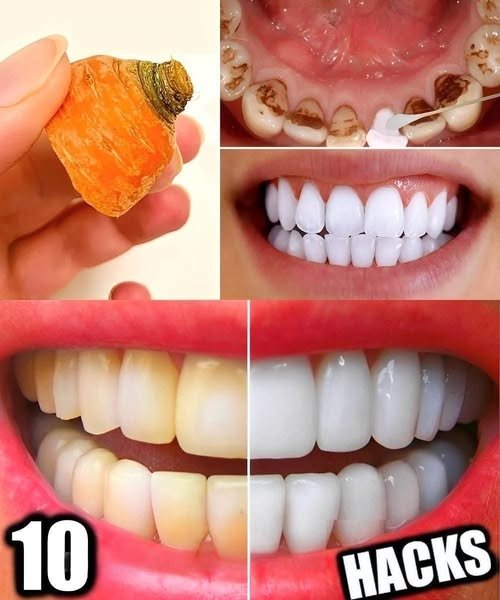
Want a brighter smile without immediately booking a dental appointment? There are several simple habits that can help reduce surface stains and make your teeth look cleaner and brighter.
However, it’s important to set realistic expectations: natural home remedies cannot safely transform yellow teeth into perfectly white teeth in three days. Tooth color is influenced by genetics, enamel thickness, age, and the natural color of the dentin underneath the enamel.
Some viral whitening tricks can actually damage enamel or irritate your gums, so gentle methods are the better choice.
1. Brush Twice a Day
The simplest whitening habit is also one of the most effective.
Brush your teeth twice daily for about two minutes using fluoride toothpaste and a soft-bristled toothbrush.
This helps remove plaque and surface stains caused by foods, drinks, and tobacco.
Avoid aggressive scrubbing. Brushing harder does not make teeth whiter and can contribute to enamel wear and gum irritation.
2. Floss Every Day
Sometimes teeth appear darker because plaque and food debris accumulate between them.
Daily flossing cleans areas your toothbrush cannot reach and helps keep the gumline healthier.
Healthy gums also make a smile look cleaner and brighter.
3. Rinse Your Mouth With Water After Staining Foods
Coffee, tea, cola, berries, tomato-based sauces, and other strongly colored foods can contribute to surface staining.
You don’t necessarily need to stop eating them. Simply rinsing your mouth with plain water afterward can help wash away some of the pigments.
4. Don’t Brush Immediately After Acidic Foods
This is an important but often overlooked tip.
Acidic foods and drinks—including citrus fruits, vinegar-based foods, and soft drinks—can temporarily soften the enamel surface.
Instead of brushing immediately, rinse with water and wait around 30 minutes before brushing.
This reduces the chance of brushing against softened enamel.
5. Eat Crunchy Fruits and Vegetables
Apples, carrots, celery, and similar foods can increase saliva production and provide mild mechanical cleaning while you chew.
They aren’t natural tooth-whitening treatments, but replacing sugary snacks with whole fruits and vegetables can support better oral health.
6. Limit Frequent Coffee and Tea Staining
Coffee and tea are major sources of tooth staining for many people.
If you drink them regularly, consider reducing the frequency, drinking water afterward, or using a straw for cold drinks when practical.
Good oral hygiene can help prevent the pigments from building up.
7. Avoid Smoking and Tobacco
Tobacco is one of the biggest contributors to stubborn tooth discoloration.
Smoking and other tobacco products can produce yellow or brown stains while also increasing the risk of gum disease, tooth loss, and oral cancer.
Quitting is one of the best things you can do for both your smile and overall health.
8. Choose Fluoride Toothpaste
Fluoride toothpaste doesn’t act like a bleaching treatment, but it helps strengthen enamel and protect against cavities.
Healthy enamel is important because excessive enamel wear can actually make teeth appear more yellow by exposing more of the naturally yellow dentin underneath.
9. Try a Dentist-Recommended Whitening Product
If you want noticeable whitening at home, a properly formulated whitening product is generally a safer choice than experimenting with harsh kitchen ingredients.
Whitening products containing peroxide can lighten certain types of tooth discoloration when used according to their instructions.
People with cavities, significant gum problems, cracked teeth, or severe sensitivity should address those issues before whitening.
10. Have Professional Cleaning When Needed
Sometimes what looks like yellowing isn’t actually a change in the natural tooth color.
Plaque, tartar, and external stains can make teeth look darker. A professional dental cleaning can remove deposits that ordinary brushing cannot.
For deeper discoloration, a dentist can determine whether professional whitening or another treatment is appropriate.
What About Lemon, Baking Soda, or Hydrogen Peroxide?
You’ll often see these ingredients promoted as “natural” whitening hacks.
Be careful.
Lemon juice and other acidic substances can erode enamel. Baking soda can be abrasive when misused, and concentrated or improperly used peroxide can irritate the gums and damage oral tissues.
Similarly, rubbing teeth with charcoal, salt, or other abrasive substances isn’t a good substitute for proven dental care.
Can You Really Whiten Your Teeth in 3 Days?
You may notice that your teeth look cleaner or slightly brighter after improving brushing, removing surface stains, and avoiding staining foods.
But dramatic whitening in three days isn’t realistic for everyone.
If your teeth are naturally darker or the discoloration comes from inside the tooth, home “hacks” won’t safely change their underlying color.
When to See a Dentist
See a dentist if you have:
- Persistent tooth sensitivity
- Tooth pain
- Bleeding or swollen gums
- A single tooth that suddenly becomes dark
- Visible holes or cracks
- Persistent bad breath
- Heavy tartar buildup
- Tooth discoloration that doesn’t improve with normal cleaning
Final Thoughts
A brighter smile doesn’t require harsh DIY treatments. Consistent brushing with fluoride toothpaste, daily flossing, good dietary habits, avoiding tobacco, and professional dental care when necessary are much safer ways to maintain naturally clean-looking teeth.
If you want significant whitening, use a proven whitening product according to its directions or speak with a dentist rather than relying on acidic or abrasive kitchen remedies.