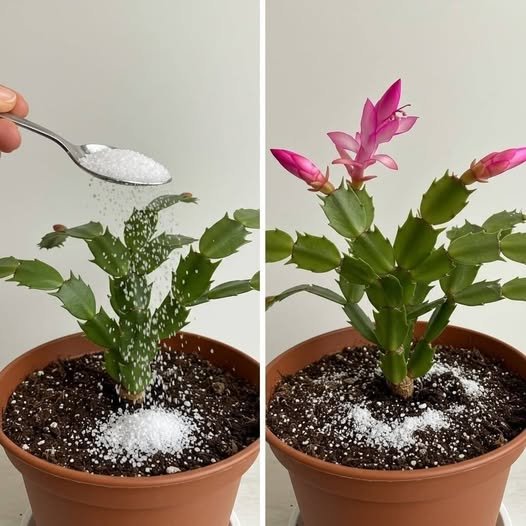
As the seasons change and temperatures begin to cool, many indoor flowers can start looking tired, droopy, or less vibrant. Before throwing them away, you can give them a gentle seasonal refresh with a simple homemade plant tonic.
This easy recipe uses water, a small amount of mild fertilizer, and optional natural ingredients to provide hydration and nutrients without overwhelming your plants.
🌸 Homemade Fall Plant Refresh Tonic
Ingredients
- 1 liter (4¼ cups) room-temperature water
- ½ teaspoon balanced liquid houseplant fertilizer, preferably diluted according to its label
- 1 teaspoon pure aloe vera gel, optional
- 1 teaspoon plain water-soluble seaweed or kelp extract, optional
Equipment
- Clean watering can or bottle
- Measuring spoon
- Small bowl or container
How to Make It
1. Prepare the Water
Pour 1 liter of room-temperature water into a clean container.
Avoid using very hot or very cold water, as sudden temperature changes can stress plant roots.
2. Add the Fertilizer
Add ½ teaspoon of liquid houseplant fertilizer, but first check the fertilizer label. If the product recommends a weaker dilution, follow its instructions instead.
The goal is to provide a gentle nutrient boost—not to heavily fertilize a stressed plant.
3. Add the Optional Ingredients
If desired, add 1 teaspoon of pure aloe vera gel and 1 teaspoon of water-soluble kelp extract.
These ingredients are optional, so the recipe works perfectly well with just water and appropriately diluted fertilizer.
Stir thoroughly.
How to Use the Tonic
Before applying anything, check the soil.
If the top 1–2 inches of soil feels dry, slowly water the plant around the base until a small amount begins to drain from the bottom of the pot.
If the soil is already damp, don’t water it again. Simply wait until it dries appropriately for that particular plant.
Always empty excess water sitting in the saucer.
🌿 Give the Leaves Some Attention
Use a soft, slightly damp cloth to gently wipe dust from broad leaves.
Clean leaves can improve the plant’s appearance and allow the foliage to receive light more effectively.
Don’t use homemade mixtures containing vinegar, bleach, dish soap, baking soda, or essential oils on the leaves unless a product is specifically designed and proven safe for that plant.
The Real “Secret”: A Fall Reset
The biggest secret isn’t a magical ingredient—it’s adjusting plant care as the season changes.
As fall approaches, indoor plants often experience:
- Less natural sunlight
- Cooler temperatures
- Slower growth
- Lower water consumption
Because of this, continuing a summer watering schedule can lead to overwatering and root problems.
Give Your Plants a Fall Check-Up
Move them toward brighter light: Place light-loving plants near a bright window while avoiding sudden exposure to intense direct sunlight.
Check the soil before watering: Don’t water according to the calendar. Feel the soil first.
Inspect for pests: Look underneath leaves and around stems for signs of spider mites, scale, aphids, or other pests.
Remove damaged leaves: Trim yellow, dead, or badly damaged foliage with clean scissors.
Improve drainage: Make sure the pot has drainage holes and that water isn’t collecting around the roots.
Avoid cold drafts: Keep tropical houseplants away from very cold windows, doors, and heating or cooling vents.
Important: Not Every Houseplant Needs the Same Treatment
Different plants have very different needs.
For example, succulents and cacti generally need much less water, while tropical plants may require more consistent moisture.
Flowering plants may also have different fertilizer requirements from foliage plants.
If a plant is severely wilted, recently repotted, suffering from root rot, or showing signs of disease, adding fertilizer may not solve the underlying problem.
In those situations, focus first on identifying the cause.
A Simple Fall Care Schedule
Week 1
- Check soil moisture.
- Remove dead foliage.
- Clean dusty leaves.
- Inspect for pests.
- Move plants to suitable light.
Week 2
- Water only plants that actually need it.
- Check drainage.
- Rotate plants slightly so they grow evenly toward the light.
Week 3
- Monitor new growth.
- Look for yellowing leaves or pest activity.
- Fertilize only if the plant is actively growing and the fertilizer label recommends it.
Week 4
- Continue adjusting watering based on soil moisture and indoor conditions.
- Reduce fertilizing as growth naturally slows for plants entering a dormant period.
Common Mistakes to Avoid
❌ Overwatering a Droopy Plant
A droopy plant isn’t always thirsty. Root damage from consistently wet soil can also cause wilting.
❌ Using Too Much Fertilizer
More fertilizer doesn’t mean more growth. Excess fertilizer can damage roots and cause leaf burn.
❌ Using Kitchen Ingredients Randomly
Things like sugar, milk, coffee grounds, baking soda, or leftover cooking water aren’t universal plant fertilizers. Some can attract pests, encourage mold, alter soil chemistry, or create other problems.
❌ Fertilizing a Dormant Plant
Many houseplants naturally slow down during lower-light months. They may not need the same amount of fertilizer they needed during vigorous summer growth.
Final Thoughts
The secret to bringing house flowers back to life in fall isn’t a miracle mixture. It’s consistent, gentle care.
Give your plants the right amount of light, water only when they need it, provide appropriate nutrients during active growth, keep their leaves clean, and regularly check for pests.
Sometimes, the simplest fall “awakening” is simply giving a tired plant the right conditions to recover naturally. 🌿🍂